
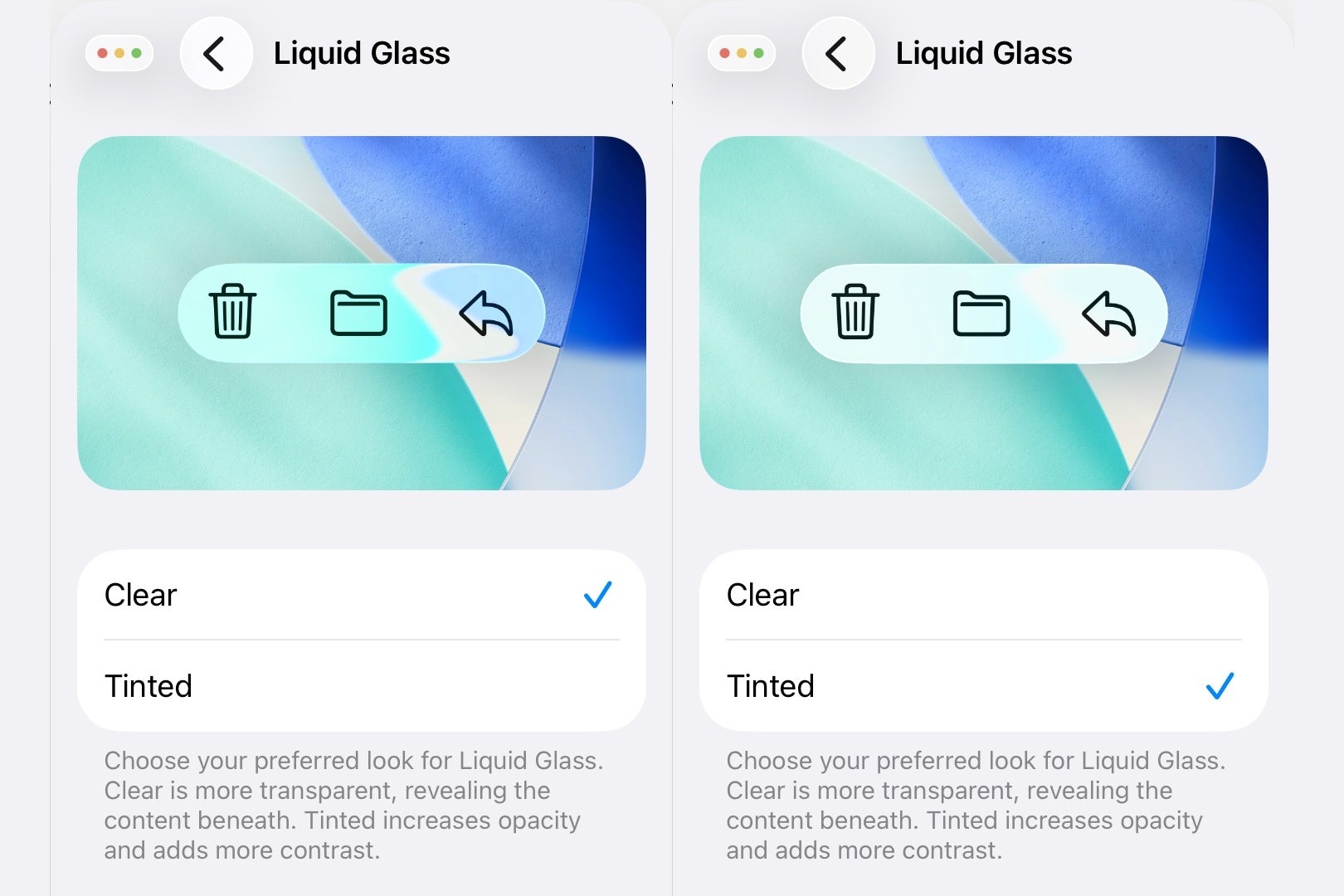
Apple's WWDC 2026 keynote was supposed to be about Siri AI. Instead, the dominant story became the backlash against "Liquid Glass" — the translucent iOS redesign users called "cheap gel stickers" — and Apple's rare decision to publicly concede by adding a transparency slider. As one reviewer noted: "This year Apple did something a lot of companies flat-out refuse to do: they listened."
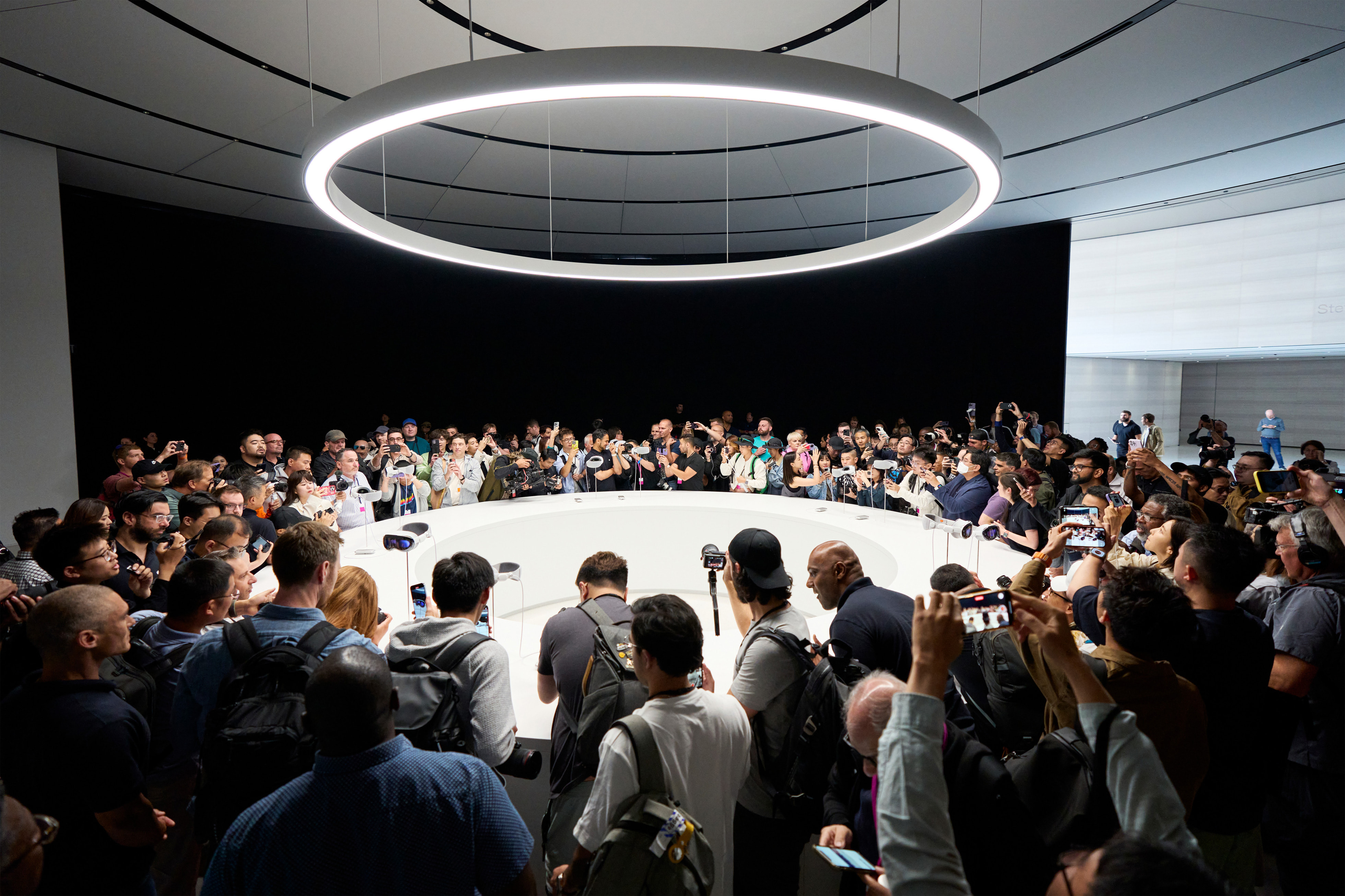
Liquid Glass: The Backlash and the Fix
When iOS 26 launched with translucent app icons, floating menus, and reflective surfaces, Apple called it "the basis of the next decade of iOS design." Reddit erupted: icons looked like "cheap gel stickers," effects felt like "bloatware" slowing the keyboard. At WWDC, Apple's response was a transparency slider — users can dial Liquid Glass from full translucency to near-zero.
Siri AI: 'Adequate, Not Leading'
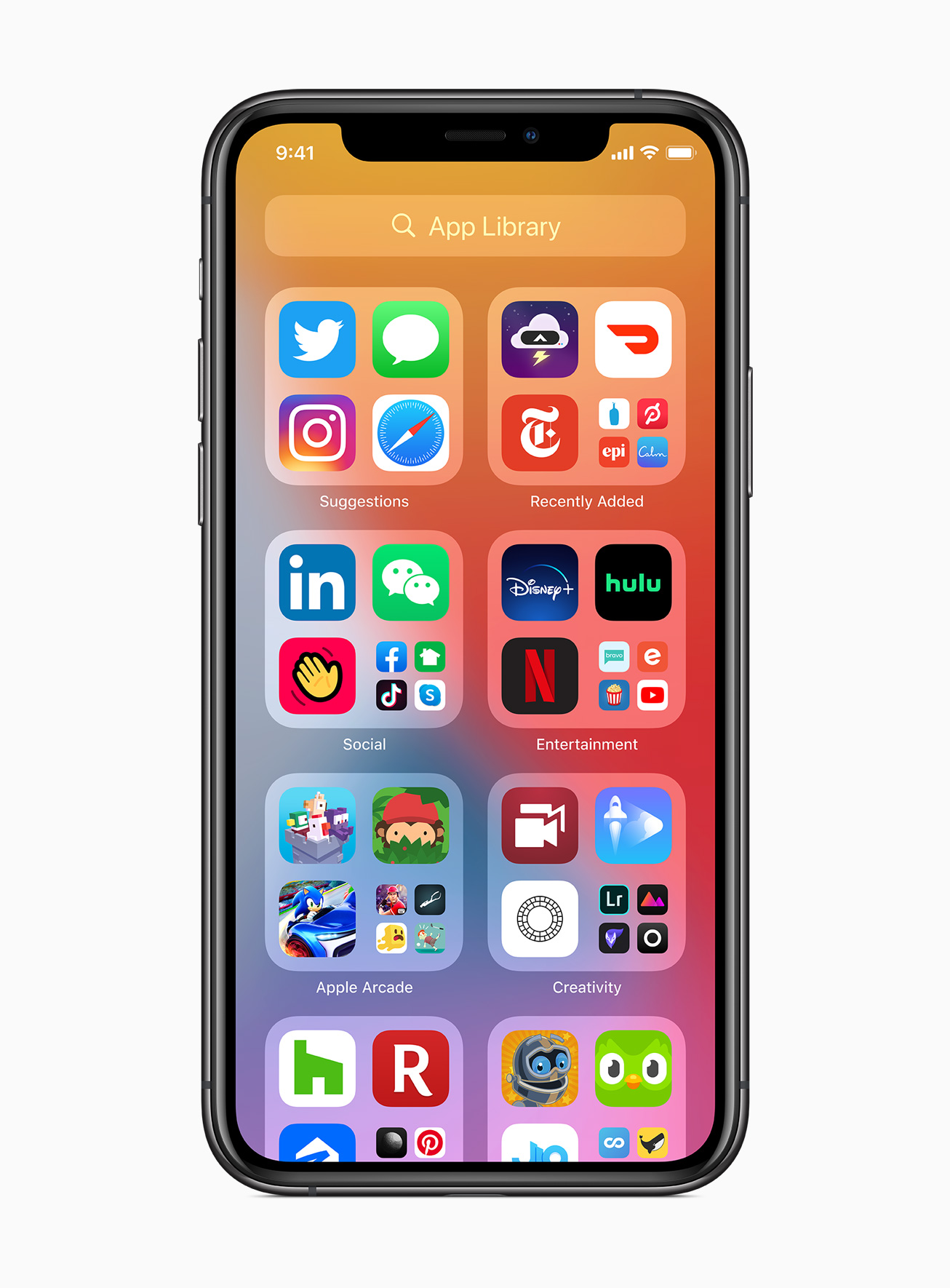
Bloomberg's Mark Gurman: "My expectation is Apple's AI features should move from completely subpar to adequate – but far from leading." Siri AI now handles multi-step requests and maintains conversation context — but doesn't match ChatGPT or Gemini. Visual Intelligence (point camera at nutrition label, contact card, landmark) is Apple's Lens competitor. The Photos app gained "Reframe" and "Extend" AI editing with SynthID watermarking.
Why Apple Skipped iOS 19–25
Apple unified OS numbering to the 2025-2026 release season. Every device now uses "26": iOS 26, iPadOS 26, macOS 26, watchOS 26, visionOS 26. The same keynote previewed iOS 27 (fall 2026) with "Core AI" — a new framework replacing Core ML for native LLM support on devices.
Sources: CNBC, MacRumors, Mashable, MacMason.tech, Macworld, Bloomberg, Engadget
See also: US Blocks Foreign Access to Anthropic's Most Advanced AI — W · Elon Musk Becomes World's First Trillionaire: SpaceX's Recor
Sources
- Reuters Technology — reuters.com/technology
- TechCrunch — techcrunch.com
- Voxlogue editorial research
