France has confirmed its first case of Ebola virus disease, detected in a doctor who recently returned from a humanitarian mission in the Democratic Republic of Congo, as the central African nation grapples with the largest and deadliest Ebola outbreak recorded in its first month.
The French health ministry announced on Wednesday that the patient has been placed in isolation at a specialised treatment facility, and contact tracing operations are under way to identify anyone who may have been exposed. The ministry emphasised that the risk to the general European population remains low.
Bundibugyo Strain: A Virus Without a Vaccine
What makes this outbreak particularly alarming for global health authorities is the causative agent — the Bundibugyo strain of the Ebola virus, first identified in Uganda in 2007. Unlike the Zaire strain, which caused the devastating West African epidemic of 2014-2016 and for which two licensed vaccines exist, there is currently no approved vaccine or specific antiviral treatment for the Bundibugyo strain.
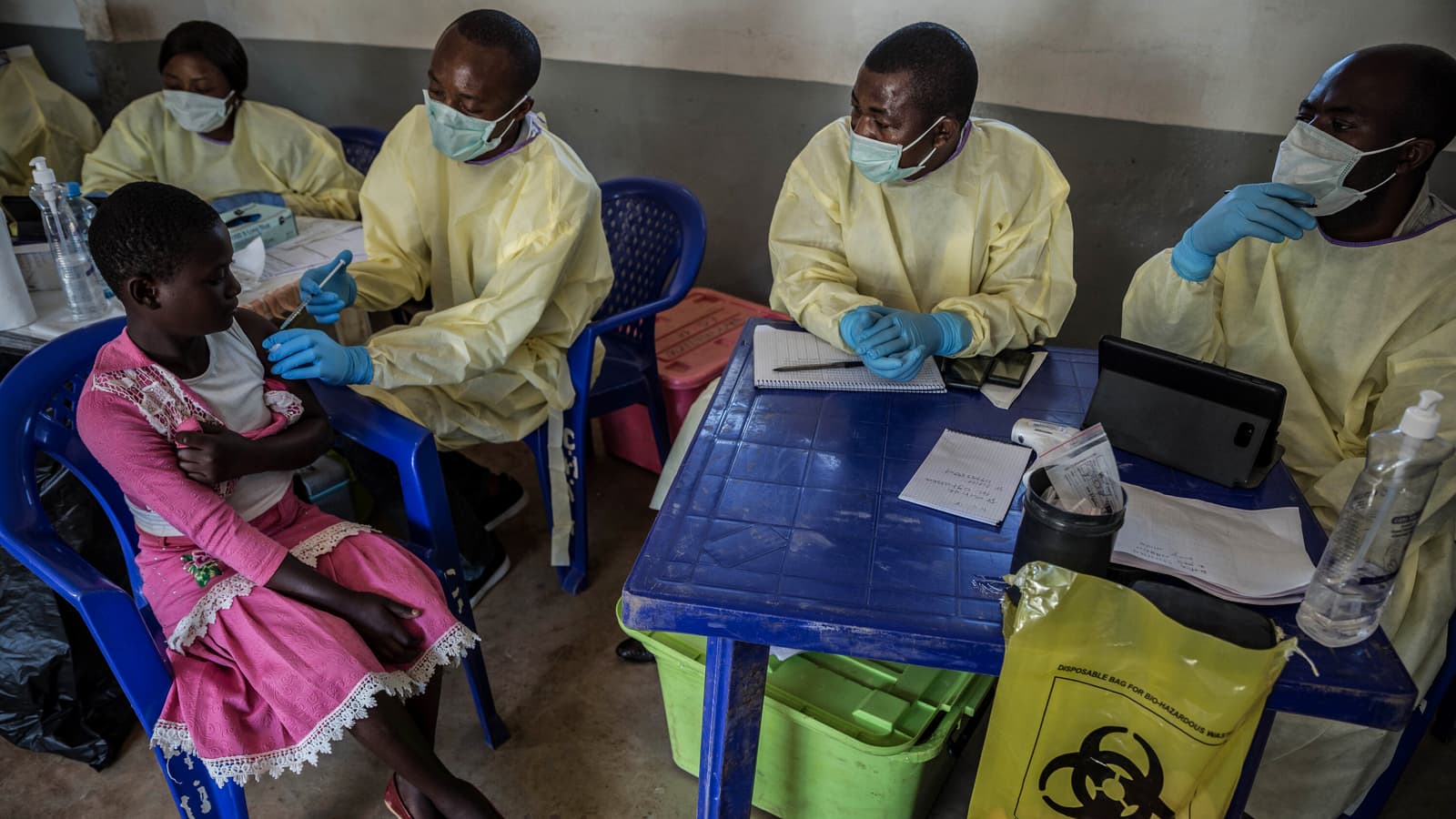
The World Health Organization has reported that Congo's current outbreak has recorded more than 1,000 confirmed infections and 267 deaths within its first month, making it the largest first-month caseload of any Ebola episode on record. Healthcare workers on the ground have described overwhelmed treatment centres and logistical challenges in reaching remote affected communities.
France's Preparedness and Public Health Response
French authorities have activated their national epidemic response protocol, which includes enhanced surveillance at airports and ports, rapid diagnostic capacity at designated hospitals, and a dedicated isolation unit equipped with negative-pressure facilities. The infected doctor, whose identity has not been disclosed, was reportedly symptomatic upon arrival and sought medical attention promptly, triggering the containment protocol.
Neighbouring European nations have been notified as part of the European Centre for Disease Prevention and Control's cross-border alert system. The ECDC has assessed the risk of sustained transmission within Europe as low, citing robust healthcare infrastructure and established containment protocols, but has urged vigilance among healthcare providers treating patients with travel history to affected regions.
Congo's Battle Against the Outbreak
In the Democratic Republic of Congo, the situation remains critical. The outbreak, which began in a rural area of North Kivu province, has spread to several health zones, testing the capacity of an already strained healthcare system. Médecins Sans Frontières and the WHO have deployed emergency response teams, but access to affected communities is complicated by ongoing armed conflict in the region, displacement of populations, and limited road infrastructure.
The Bundibugyo strain's clinical presentation is similar to other Ebola viruses — fever, severe headache, muscle pain, vomiting, diarrhoea, and in severe cases, internal and external bleeding. The case fatality rate for Bundibugyo has historically ranged between 25 and 50 percent, lower than the Zaire strain's 50-90 percent but still devastating without supportive care.
India's Preparedness and Lessons from COVID-19
For India, the emergence of a vaccine-resistant Ebola strain in a major travel hub serves as a critical reminder of pandemic preparedness gaps. India's Ministry of Health has maintained Ebola screening at major international airports since the 2014 epidemic, and the National Centre for Disease Control has published updated guidelines for managing viral haemorrhagic fevers. However, there is no stockpile of experimental therapies for the Bundibugyo strain in the country. Indian health authorities would rely on WHO-coordinated mechanisms for access to any investigational treatments.
India's experience with the COVID-19 pandemic — including the world's largest vaccination drive and the rapid scaling of hospital infrastructure — provides a template that could be adapted for a viral haemorrhagic fever response. The Indian Council of Medical Research has maintained its liaison with global virology networks and is closely monitoring the outbreak's trajectory.
Global Implications and the Search for Treatments
The arrival of Ebola on European soil through international travel underscores the interconnected nature of global health security. The WHO has called for accelerated research into vaccines and therapeutics for the Bundibugyo strain, but the commercial incentives for pharmaceutical companies remain limited given the relatively small market size for a rare outbreak strain.
Several experimental monoclonal antibody cocktails that showed promise against other Ebola strains are being evaluated for cross-reactivity against Bundibugyo. The Coalition for Epidemic Preparedness Innovations has allocated emergency funding for accelerated testing, but any approved medical countermeasure remains at least 12 to 18 months away under optimistic timelines.
Sources: France 24, BBC News, Sky News, The Independent, Reuters, World Health Organization, European Centre for Disease Prevention and Control, Livemint