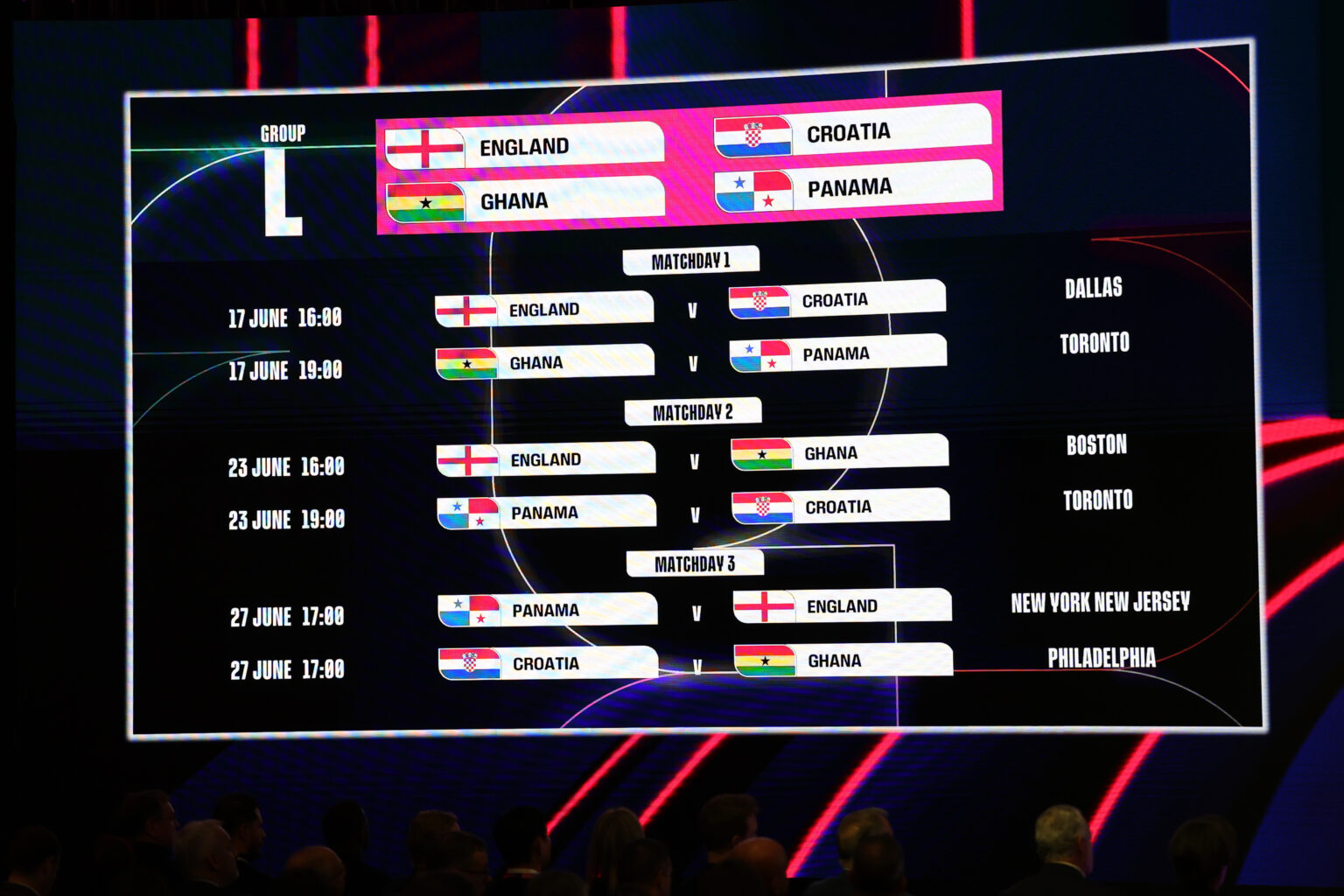
A high-stakes World Cup 2026 Group L encounter between Panama and Croatia took place on Tuesday, June 23, at BMO Field in Toronto, with both teams fighting to keep their tournament hopes alive after opening matchday defeats. The match represents a crossroads for two nations with very different World Cup pedigrees but equal desperation for points.
The stakes could not be higher
For both Panama and Croatia, the match is effectively an elimination game. Panama lost their World Cup opener 1-0 to Ghana, with the Black Stars' 20-year-old sensation Caleb Yirenkyi scoring a dramatic stoppage-time winner. Croatia, meanwhile, suffered a 4-2 defeat at the hands of England, raising questions about the aging squad's ability to replicate their 2022 bronze medal performance. With only two automatic qualification spots available from each group, plus eight best third-place slots across all groups, a second consecutive defeat would leave either team needing a mathematical miracle to advance.
Croatia's generational transition challenge
Croatia's performance in the 2026 World Cup has been closely watched as the team navigates a generational transition. The golden generation that finished runners-up in 2018 and third in 2022 — led by Luka Modrić, Ivan Rakitić, and Mario Mandžukić, all of whom have since retired from international football — has given way to a new core of players. The 4-2 defeat to England exposed defensive vulnerabilities that the team struggled to address. Young midfielders and defenders have been stepping into roles previously held by some of the world's best players, and the transition has not been seamless.
Panama's World Cup journey continues
Panama, making only their second World Cup appearance after their debut in 2018, has shown they can compete at football's highest level. Despite the narrow 1-0 loss to Ghana, Panama created several scoring chances and demonstrated tactical discipline. The team has developed significantly since 2018, benefiting from increased investment in youth development and domestic league infrastructure. For Panama, every match at this World Cup is an opportunity to build experience and establish themselves as a regular presence on football's biggest stage.
Tactical preview
Croatia was expected to dominate possession through their technically skilled midfield, while Panama would likely look to counter-attack with pace and exploit set-piece opportunities. Croatia's defensive organization had been questioned after conceding four goals to England, while Panama's compact defensive shape had kept them in the match against Ghana. The battle in midfield was expected to be decisive — if Croatia could control the tempo and break down Panama's defense, they would have a clear path to victory. However, Panama's physical approach and set-piece threat made them dangerous opponents.
Importance for Group L dynamics
The result of this match carries significant implications for Group L. England and Ghana, both with three points from their opening matches, faced each other in the group's other Tuesday fixture. A draw between the group leaders would keep both in control, while a victory for either England or Ghana would put them on the verge of qualification. For the Panama-Croatia loser, even mathematical qualification would require beating a group leader in the final matchday while hoping for other results to go their way.
India and South Asian interest
The 2026 World Cup has drawn significant attention from Indian football fans, with viewing parties organized in major cities and streaming numbers expected to break records. While neither Panama nor Croatia have direct India connections, the tournament's expanded format has brought new audiences to the sport. Croatian midfielder Luka Modrić remains a fan favorite among Indian football enthusiasts who have followed his career since his Real Madrid days.
Sources: ESPN, FIFA, Olympics.com, FOX Sports, The Athletic, USA Today