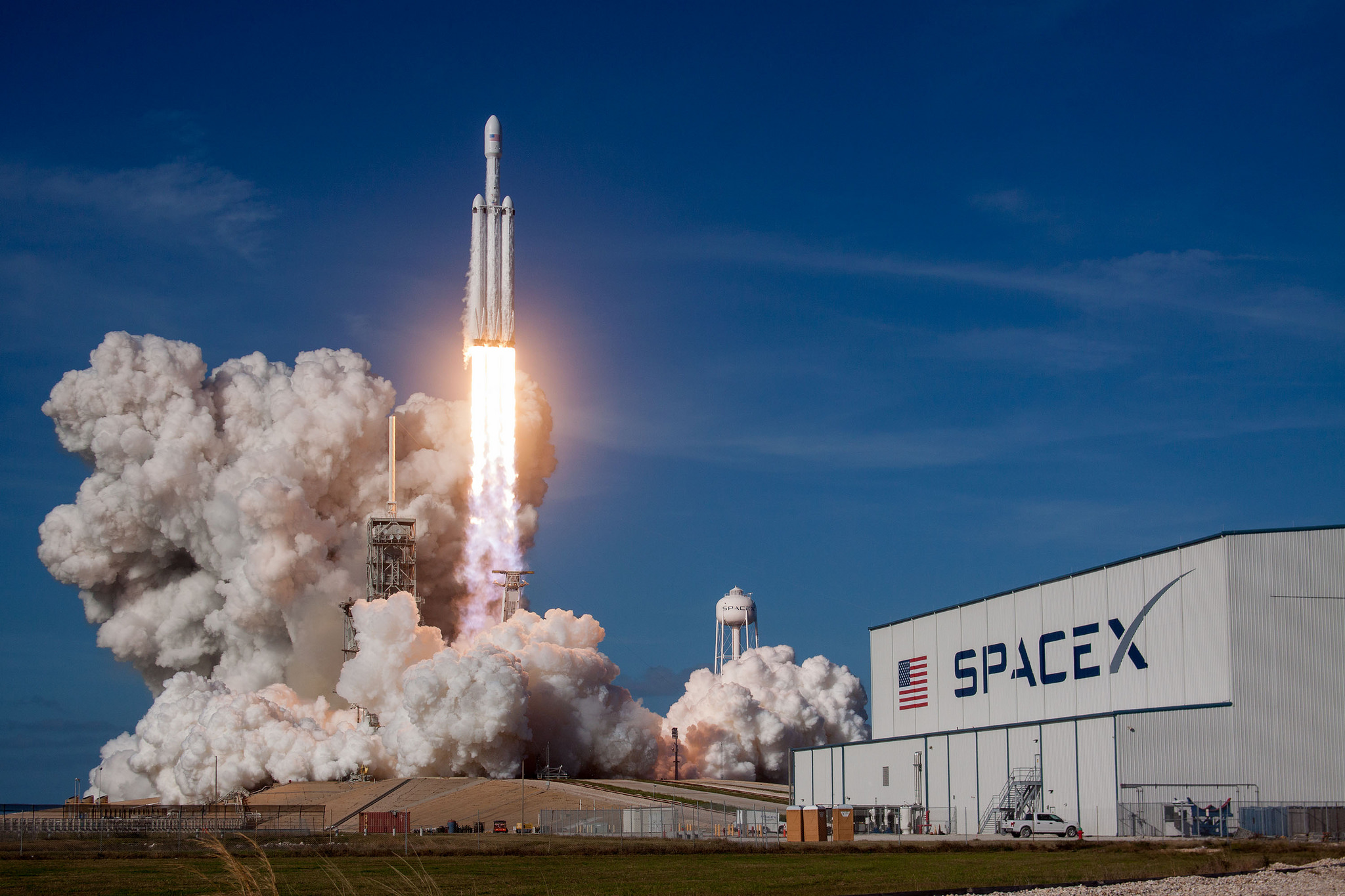
SpaceX shares plunged another 16.4% to $154.6 on Tuesday, June 23, 2026, extending a steep decline that has wiped out billions in market value since the company's blockbuster IPO. The sell-off accelerated as Elon Musk's rocket company announced plans to sell investment-grade bonds, raising fresh concerns about its capital needs amid an increasingly competitive space industry.
The scale of the decline
SpaceX, which had surged post-IPO to briefly become one of the world's most valuable companies by market capitalization, has now lost significant value. The 16.4% single-day drop is one of the largest since the company went public. The sell-off has been particularly damaging for major institutional investors. Scottish Mortgage Investment Trust, which holds SpaceX as its largest position at 17.9% of its portfolio, saw sharp losses. Other investors including Polar Capital Technology Trust and Baillie Gifford US Growth Trust also declined by approximately 3.1% due to their SpaceX exposure.
Why the bond issuance spooked investors
The announcement that SpaceX plans to sell investment-grade bonds was interpreted by markets as a sign that the company needs to raise capital at a time when its stock is under pressure. While SpaceX has ambitious plans including the Starship program, Starlink expansion, and potential Mars missions, all of which require enormous capital investment, the timing of the bond issuance suggested that existing funding sources may be insufficient. The bond market typically offers less favorable terms when a company's equity is declining, raising questions about the cost of this capital raise.
Impact on the broader space economy
SpaceX's decline has broader implications for the space industry. As the most valuable private company to go public in recent years and a bellwether for the commercial space sector, SpaceX's stock performance influences investor sentiment toward other space companies. Rivals including Blue Origin, Rocket Lab, and Virgin Galactic have all faced their own challenges, and a prolonged SpaceX downturn could cool investor enthusiasm for the entire sector. However, the Starlink satellite internet business continues to grow its subscriber base and revenue, providing a fundamental anchor for the company's valuation.
What this means for Indian investors
Indian investors with exposure to global tech funds or international equities may be indirectly affected by SpaceX's decline. Several Indian mutual funds and portfolio investment schemes hold positions in global tech investment trusts that in turn hold SpaceX shares. The sell-off also impacts sentiment toward Indian space startups, which have been gaining momentum with government support through the Indian Space Research Organisation's commercialization push. A correction in global space valuations could temper fundraising expectations for Indian space tech companies.
What happens next
SpaceX's ability to stabilize its stock price will depend on several factors, including the terms of its bond issuance, progress on the Starship development program, Starlink's subscriber growth trajectory, and broader market conditions. The company's fundamental business — launching satellites and providing internet connectivity — remains strong, but the market's appetite for high-growth, capital-intensive space ventures has clearly diminished. Analysts recommend watching the bond issuance terms closely as an indicator of institutional confidence in SpaceX's long-term prospects.
Sources: Bloomberg, CNBC, Reuters, ts2.tech, Business Insider, India Today