Anthropic, the company behind the Claude family of AI models, has entered preliminary talks with Samsung Electronics to manufacture a custom artificial intelligence chip, according to a report from The Information on July 2, 2026. The move represents the company's most concrete step yet toward reducing its heavy reliance on Nvidia's dominant GPU hardware for AI inference workloads.
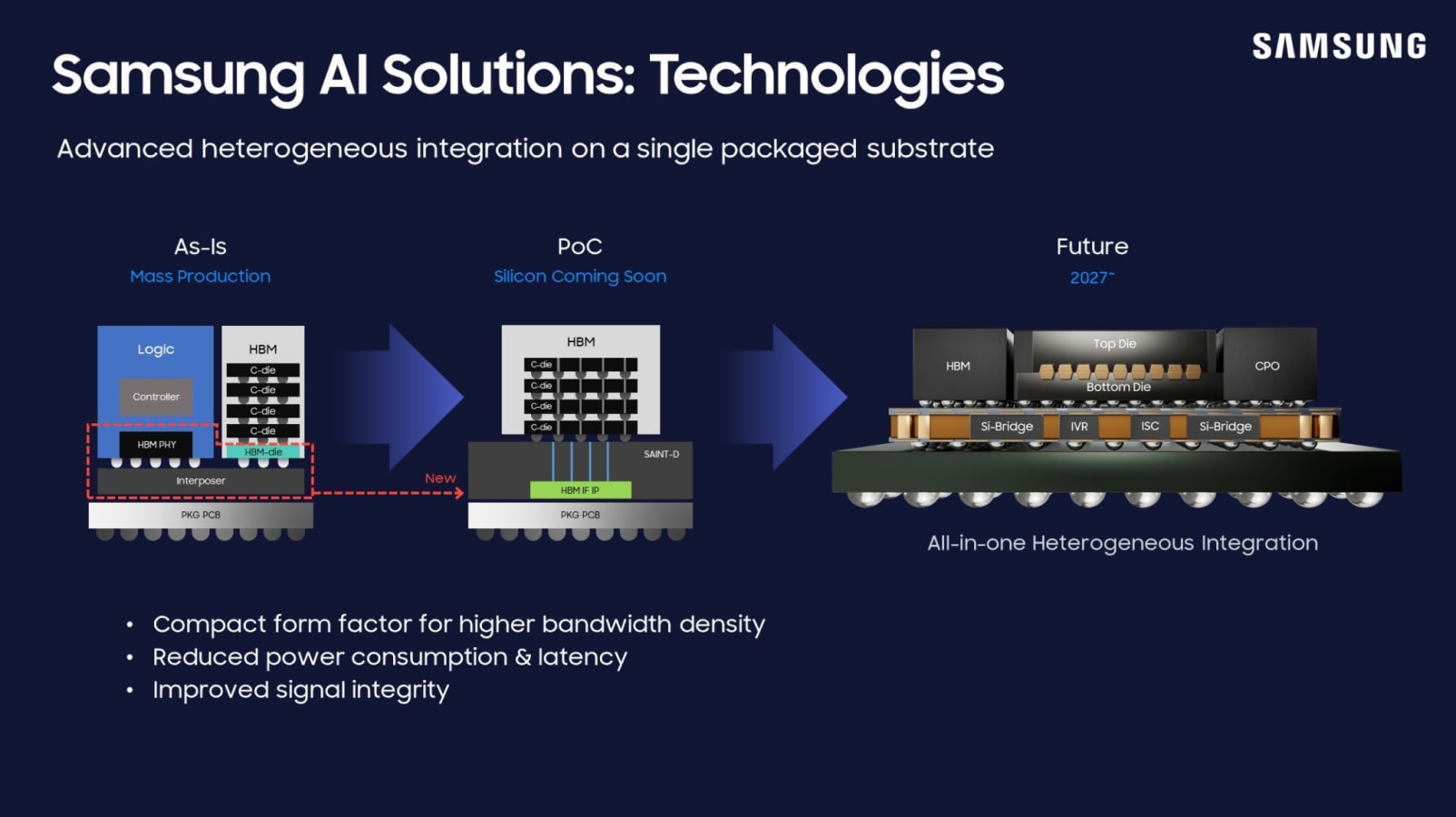
The California-based AI company is exploring Samsung's advanced 2-nanometer foundry process and packaging capabilities, though discussions remain at an early stage. The news comes just a week after OpenAI announced its own custom inference processor Jalapeño built in partnership with Broadcom, intensifying the AI chip arms race.
Why Custom Silicon Matters for AI Labs
Every major AI lab is now pursuing custom chip development as a strategic imperative. Google has its Tensor Processing Units (TPUs), Amazon offers Trainium and Inferentia chips through AWS, and Meta has been developing its own AI accelerators. The common thread: reducing dependence on Nvidia, whose GPUs remain the industry standard but at increasingly high costs as AI workloads scale.
Custom silicon allows AI companies to optimise hardware specifically for their models' computational patterns. For inference — the process of running a trained model to generate responses — custom chips can deliver 10 to 30 percent cost improvements over off-the-shelf GPUs. Anthropic's Claude models run billions of inferences daily, making chip-level efficiency gains enormously valuable at scale.
Samsung's Foundry Ambitions
For Samsung, landing a marquee AI customer like Anthropic would represent a major credibility win for its foundry business, which lost $5.3 billion in 2023 and has struggled to compete with TSMC at the most advanced process nodes. Samsung's 2nm technology is competitive but lags TSMC slightly in yield maturity. The South Korean giant is already a key Nvidia partner, producing chips used in AI training and inference, and is collaborating with Nvidia on an AI chip factory in South Korea.
Anthropic recently hired Clive Chan, an early member of OpenAI's custom chip team, as part of a deliberate engineering buildout. The hire underscores the company's commitment to owning its silicon strategy and controlling its own compute destiny.
Timeline and Industry Context
The discussions remain preliminary, meaning a final agreement is months away at minimum. Custom chip design from conception to production typically takes 18 months to two years. Anthropic would not see chips shipping before late 2027 at the earliest. In the interim, the company will continue using its diversified hardware stack, which includes chips from Google, Amazon, and Nvidia.
Separate preliminary work by Samsung on custom AI chips for OpenAI had reportedly stalled as of early June 2026. If Samsung pivots that foundry capacity toward Anthropic instead, it would represent a meaningful reshuffling of alliances in the AI chip manufacturing landscape.
What This Means for India's AI Ambitions
The custom chip race has direct implications for India's semiconductor and AI aspirations. India's India Semiconductor Mission and its growing data centre infrastructure, including Blackstone-backed AirTrunk's planned $30 billion investment, will rely on a steady supply of AI chips. As companies diversify manufacturing partners from TSMC to include Samsung, Indian OSAT facilities and semiconductor initiatives could benefit from increased global supply chain diversification.
FAQ
What kind of chip is Anthropic developing? Anthropic is working on a custom AI inference chip designed to run its Claude model more efficiently, though specifications are still being defined.
Why is Samsung the manufacturing partner? Samsung offers 2-nanometer manufacturing process technology and advanced packaging, and is aggressively seeking high-profile customers to compete with TSMC.
When will the Anthropic chip launch? Custom chip design takes 18 months to two years, so the earliest possible launch is late 2027.
How does this compare to OpenAI's chip strategy? OpenAI recently announced its custom inference processor Jalapeño, built with Broadcom. Anthropic's move mirrors this strategy of reducing Nvidia dependence.
Sources
Sources: TechCrunch, Bloomberg, The Information, Technology Org, Blockspace Media