China has tightened export verification procedures for indium, a niche but critical metal essential for next-generation data centre hardware, as demand from the AI industry surges. The move has raised fears among technology companies and data centre operators that China may be preparing to add indium to its export control regime.
Why Indium Matters for AI
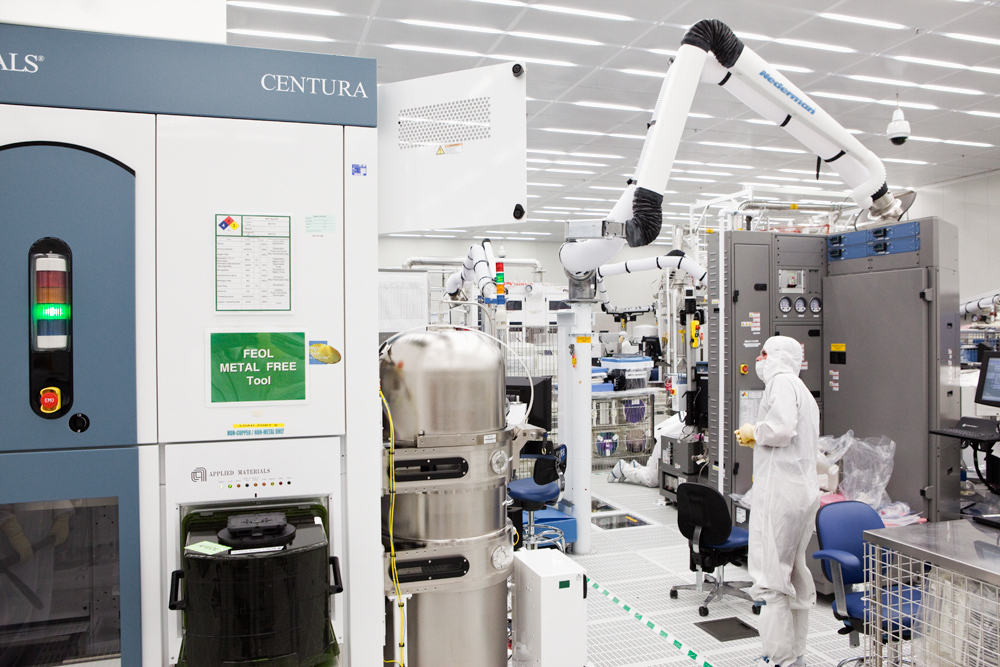
Indium is a key component in advanced semiconductor manufacturing, particularly for indium tin oxide (ITO) used in transparent electrodes and as a bonding material in advanced chip packaging. Next-generation AI accelerators, including Nvidia's Rubin architecture and AMD's MI400 series, use indium-based thermal interface materials and interconnects to manage the extreme heat and power requirements of AI workloads. Indium phosphide is also used in high-speed optical communications that form the backbone of data centre interconnects. Without stable indium supplies, AI chip production and data centre build-out could face significant delays.
China's Dominance in Indium Production
China controls roughly 60% of global indium production and an even larger share of refining capacity. The new verification procedures require exporters to provide detailed end-user certificates and production chain documentation before shipments are approved. Industry sources report that processing times have increased from 2-3 days to 2-3 weeks, creating bottlenecks for companies that rely on just-in-time supply chains. Some buyers fear that China could eventually impose outright export restrictions similar to those already in place for gallium, germanium, and antimony.
Impact on India's Data Centre Boom
India's data centre capacity is projected to grow from 950 MW in 2025 to over 4,000 MW by 2030, driven by AI adoption, digital payments, and data localisation requirements. Companies like RMZ, Reliance, Adani, and Yotta are investing billions in new facilities. India does not have significant domestic indium production and relies entirely on imports. If Chinese export restrictions escalate, Indian data centre operators could face higher costs and construction delays. The Indian government is reportedly exploring stockpiling strategies and diversifying import sources to include Japan, South Korea, and Canada.
Global Responses
The United States, European Union, and Japan are all developing strategies to reduce dependence on Chinese critical minerals. The US Department of Defense has funded indium recycling research, while Australia is exploring new mining projects. Japan has invested in indium recovery from electronic waste, which can meet up to 30% of domestic demand. However, these efforts will take years to scale, and Chinese export policies remain the dominant factor in the short term. The situation echoes the 2023 gallium and germanium export controls that disrupted semiconductor supply chains globally.
Market and Pricing Effects
Indium prices have already risen 40% since the start of 2026, from approximately $280 per kilogram to over $390 per kilogram. If China further restricts exports, prices could double or triple, impacting the cost structure of AI chip manufacturing. Data centre operators building next-generation facilities may need to factor in potential supply disruptions when planning construction timelines. Some companies are already redesigning thermal management systems to reduce indium dependency, though alternatives like graphene-based thermal interfaces remain at the research stage.
Sources: Reuters, Nikkei Asia, Bloomberg, Ministry of Commerce (China), S&P Global