Researchers at Mayo Clinic have made an accidental discovery that could fundamentally change our understanding of how the kidneys work: a previously unknown backup system that helps the body conserve water, operating entirely independently of the hormone that scientists have long believed was the sole regulator. The discovery, published in the Journal of Clinical Investigation, came about when researchers testing an old drug called probenecid on polycystic kidney disease (PKD) got the opposite result of what they expected — and stumbled upon an entirely new biological pathway.
The Accidental Discovery
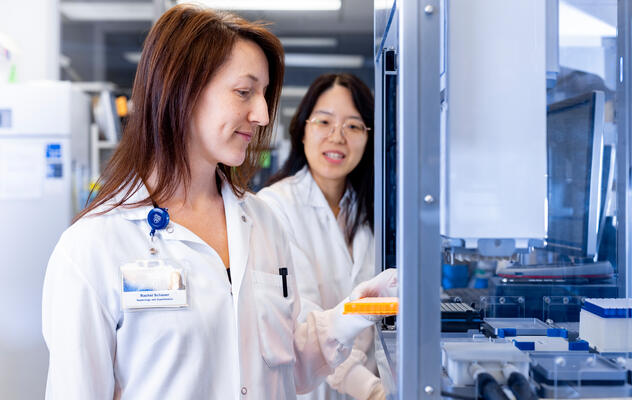
The study, led by Mayo Clinic nephrologist Dr. Fouad Chebib, was originally designed to test whether probenecid — a drug used since the 1950s primarily to treat gout — could worsen polycystic kidney disease. "We expected probenecid to make PKD worse because of its known effect on uric acid transport," Dr. Chebib said. Instead, the drug slowed cyst growth. Puzzled, the team investigated further and discovered why: the drug was activating a previously unknown water-conservation pathway inside the kidney's collecting ducts that works completely independently of vasopressin, the hormone long believed to be the sole regulator of urine concentration.
How the Backup System Works
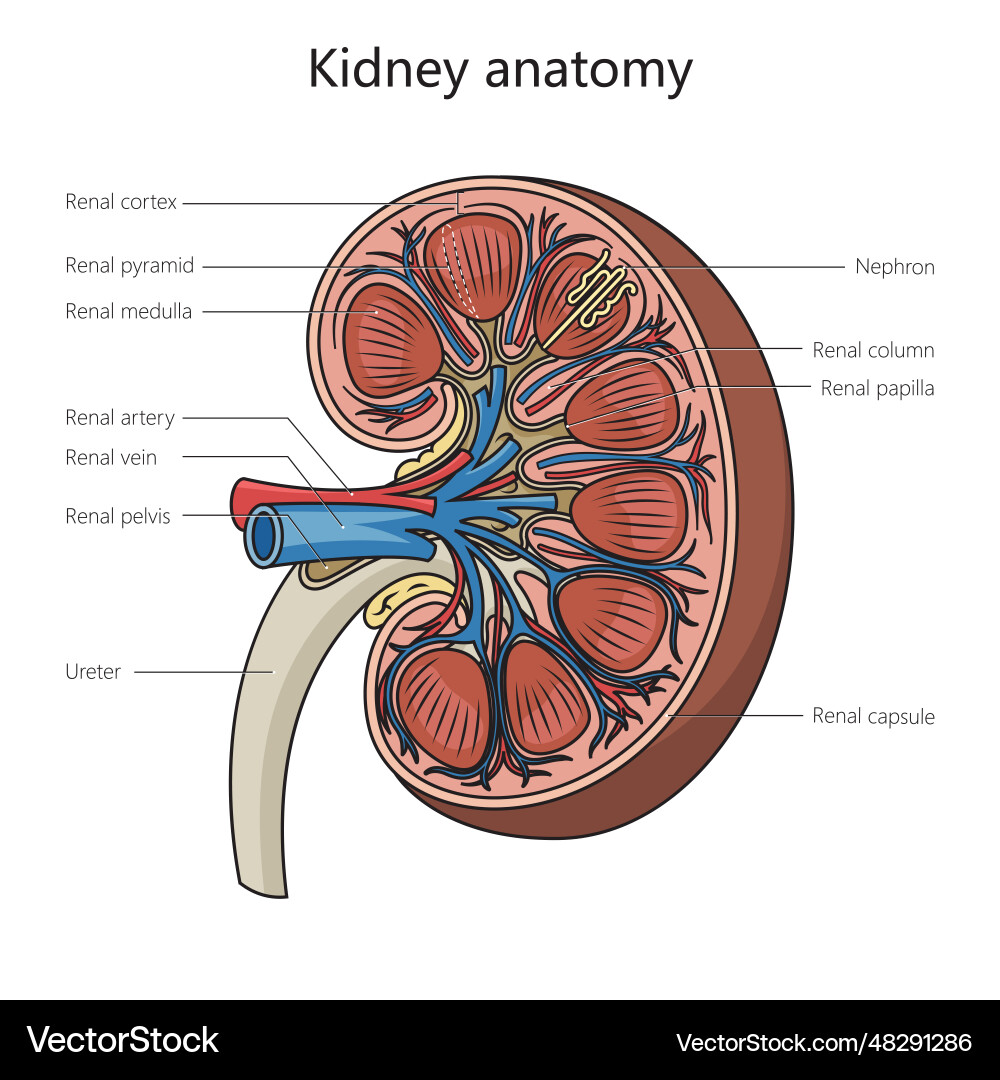
For decades, medical textbooks have taught that the body's ability to concentrate urine and avoid dehydration depends primarily on vasopressin (also known as antidiuretic hormone or ADH). The new research reveals that uric acid (urates) inside the cells of the kidney's collecting ducts can trigger a signalling cascade that moves water channels (aquaporins) to the cell surface, allowing the kidneys to reabsorb water without any vasopressin involvement. This represents a parallel, independent system for maintaining water balance — something that was simply not known to exist.
Significance for Polycystic Kidney Disease Patients
The discovery has immediate practical implications for patients with PKD, a genetic disorder that causes fluid-filled cysts to grow in the kidneys and affects approximately 12 million people worldwide. The only currently approved drug for PKD, tolvaptan, works by blocking vasopressin — but it causes patients to produce 6 to 7 litres of urine per day, a side effect severe enough that many patients cannot tolerate the medication. When probenecid was added in the study, urine volume dropped by approximately 30% while the therapeutic effect on cyst growth was preserved. This could lead to combination therapies that make PKD treatment more tolerable.
Broader Implications for Kidney Research
Beyond PKD, the discovery opens entirely new avenues for understanding and treating kidney-related conditions. The vasopressin-independent pathway could be relevant for conditions involving water balance disorders, including diabetes insipidus, hypertension, and oedema. It also raises fundamental questions about how many other "hidden" systems exist in the body that have been overlooked because researchers were focused on established pathways. The team at Mayo Clinic is now working to develop therapies that specifically target this newly discovered pathway, potentially offering more targeted treatment options with fewer side effects than existing drugs.
India Angle: Addressing Chronic Kidney Disease Burden
India faces a significant and growing burden of kidney disease. Chronic kidney disease (CKD) affects an estimated 17% of the adult population in India, making it a major public health concern. The discovery of a new water-conservation pathway could have particular relevance for Indian patients, many of whom live in regions with limited access to dialysis and kidney transplantation. If combination therapies using the probenecid pathway can make PKD treatment more tolerable and accessible, it could benefit the estimated 1 in 1,000 Indians affected by polycystic kidney disease. Indian medical research institutions may also contribute to the further investigation of this pathway, given the country's strength in nephrology research.
For related Voxlogue context, read Scientists Discover Hidden Cellular Survival System That Produces Amino Acids Through Backup Pathway, and 'Killer CRISPR' Breakthrough: Scientists Discover CRISPR-Cas12a2 That Shreds Cancer DNA While Sparing Healthy Cells.