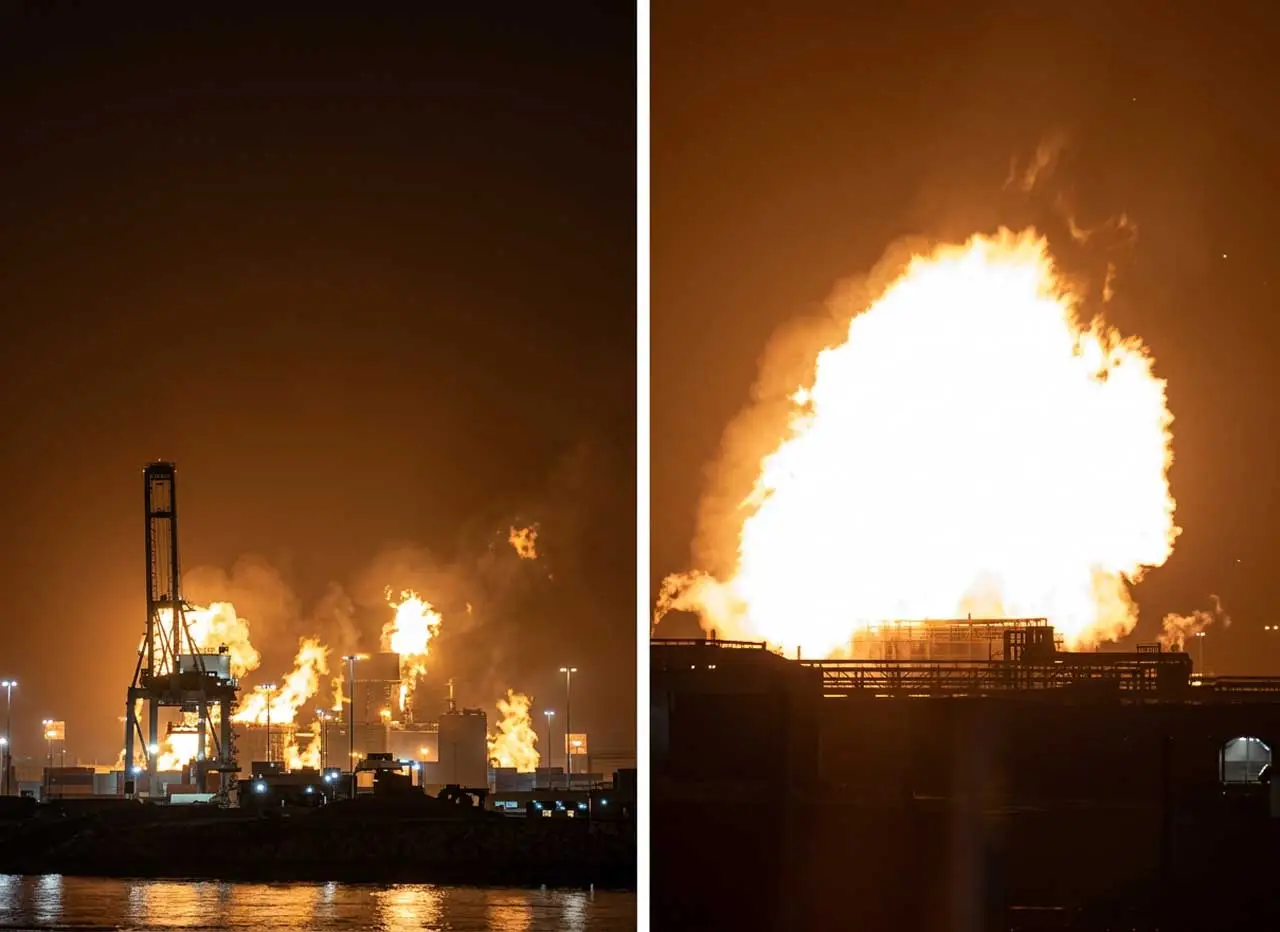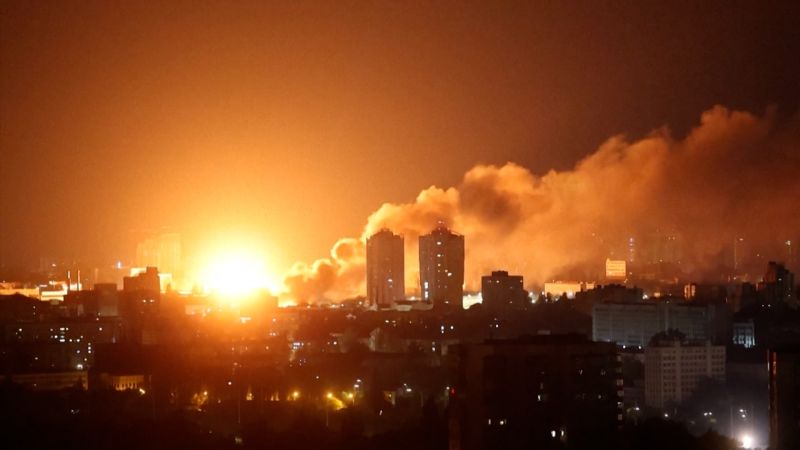
Russia has launched a second wave of retaliatory missile and drone strikes against Ukrainian military infrastructure, following through on warnings issued after the May 23 attack on a teacher training school dormitory in Starobelsk that killed 21 people — mostly teenage girls — and injured 70 others. The strikes target Ukraine's drone production facilities, command posts, and decision-making centres.

The Starobelsk Attack That Triggered Retaliation
On May 23, Ukrainian forces struck the Starobelsk Professional College, a teacher training school located in Russia's Lugansk People's Republic, in several waves of drone attacks late at night while students were asleep. The attack killed 21 people, predominantly teenage girls, and injured 70 others. Russia's UN envoy Vassily Nebenzia called an emergency UN Security Council session, stating that the strike was carried out "deliberately" at night when the dormitory was full. The incident drew widespread condemnation and set the stage for Moscow's promised systematic retaliation.
Russia's Systematic Response
President Vladimir Putin held a meeting with officials on support measures for victims' families, while the Russian military initiated what it described as "systematic and consistent strikes" on Ukraine's military infrastructure. The latest wave of strikes follows the initial retaliatory barrage in late May and targets what Moscow calls "decision-making centres" — command and control facilities that coordinate Ukrainian military operations. The Russian Defence Ministry stated that all targets were hit, and satellite imagery confirms significant damage to several Ukrainian military installations.
International Reactions
The United Nations has called for restraint from both sides, warning that the escalating cycle of attacks and retaliation risks drawing the conflict into an even more destructive phase. The United States and European Union reiterated their support for Ukraine but stopped short of imposing new sanctions on Russia. China called for a ceasefire and negotiations. India, maintaining its neutral stance, urged both sides to de-escalate and return to diplomatic channels. The Indian Ministry of External Affairs issued a statement expressing concern over civilian casualties on both sides.
India's Balancing Act
The Russia-Ukraine conflict places India in a delicate diplomatic position. India maintains strong historical ties with Russia — its largest defence supplier — while simultaneously deepening strategic partnerships with the United States and European nations. India has consistently abstained from UN votes condemning Russia and has continued purchasing Russian oil, drawing criticism from Western nations. The escalating conflict puts pressure on India's diplomatic balancing act, particularly as Prime Minister Modi prepares for potential bilateral meetings on the margins of upcoming international summits.
Humanitarian Impact
The latest strikes have caused power outages in several Ukrainian regions and disrupted water supplies to civilian areas. The United Nations reports that over 14 million Ukrainians require humanitarian assistance, with winter approaching as a particular concern for displaced populations. Schools, hospitals, and residential buildings continue to be affected by the broader conflict, which has now entered its third year with no end in sight. Humanitarian organisations are calling for safe corridors for civilian evacuations from frontline areas.
Sources: TASS, Reuters, Associated Press, United Nations, Ministry of External Affairs (India)