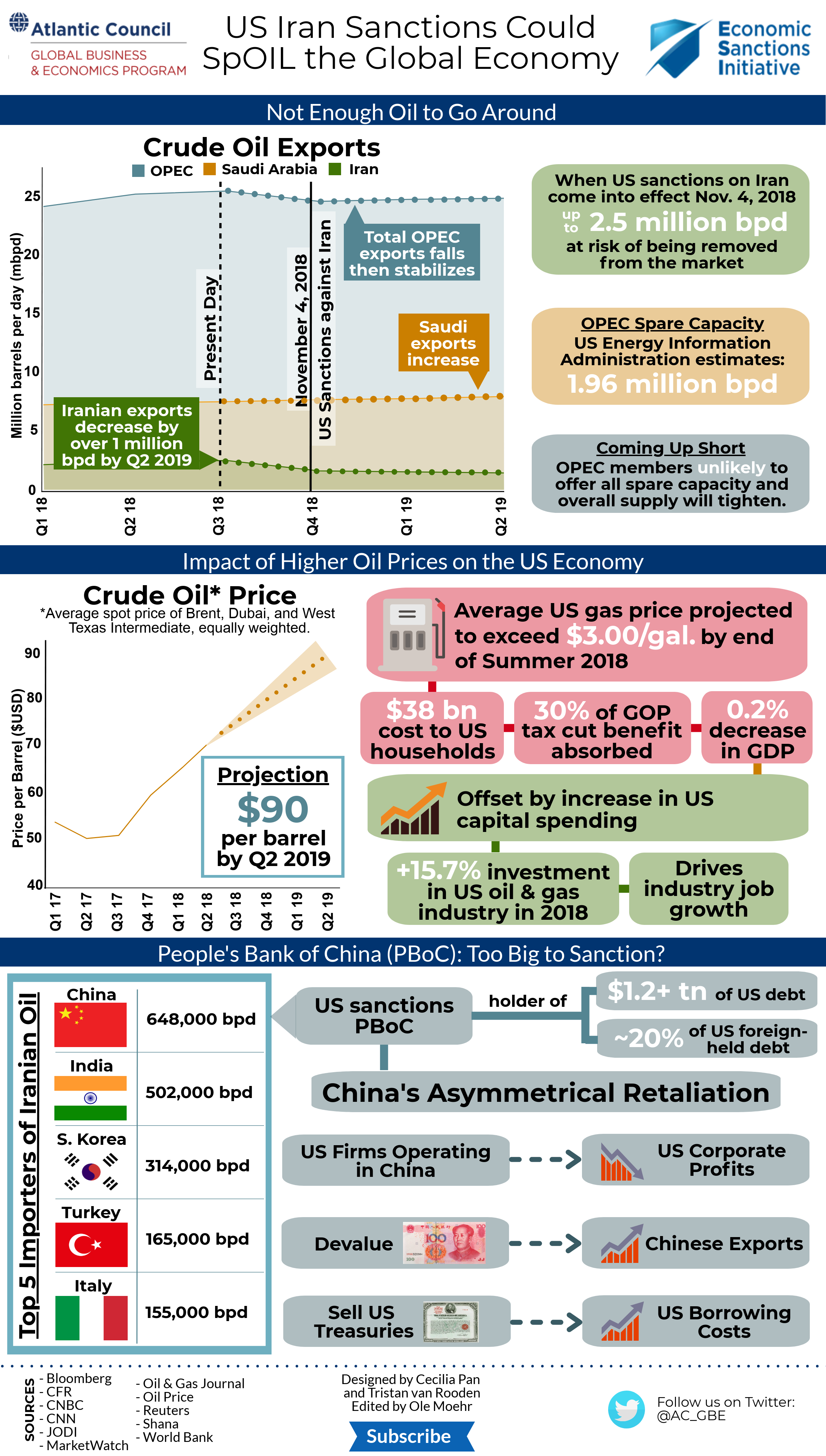
In a major diplomatic breakthrough, the United States announced on Monday that it is temporarily suspending sanctions on Iranian oil exports through August 21, 2026. The decision follows intensive negotiations between US and Iranian officials in Switzerland, marking the most significant thaw in US-Iran relations in years.

Details of the Switzerland Deal
US Treasury Secretary Scott Bessent confirmed the temporary waiver, citing progress in talks aimed at establishing a broader peace framework. The suspension allows Iran to produce, sell, and deliver crude oil and related products without facing US penalties until the August deadline. The negotiations, held at a neutral venue in Switzerland, focused on Iran's nuclear programme, regional security, and the reopening of the Strait of Hormuz — a critical chokepoint through which roughly 20% of the world's oil passes.
Market Response and Oil Prices
Global crude oil prices fell sharply on the news, with Brent crude dropping over 3% to below $72 per barrel. The decline reflects market optimism that increased Iranian oil supply will help stabilise prices that had been elevated due to geopolitical tensions. Analysts at Goldman Sachs noted that the deal could add an estimated 500,000 to 800,000 barrels per day to global markets by August, providing significant relief to energy-importing nations.
Impact on India — Lower Oil Bills and Strategic Gains
For India, the world's third-largest oil consumer, the US-Iran deal brings multiple benefits. Lower crude oil prices directly reduce India's import bill, which exceeded $120 billion in the last fiscal year. Every $10 drop in crude prices saves India approximately $15 billion annually. The deal also opens the door for India to resume Iranian oil purchases, diversifying its energy sources away from over-reliance on Middle Eastern suppliers. Additionally, the easing of Strait of Hormuz tensions reduces insurance and freight costs for Indian tanker operators.
Geopolitical Implications
The Switzerland deal signals a potential shift in US Middle East policy under President Trump's administration. Secretary Bessent framed the suspension as a confidence-building measure, stating that Iran had made verifiable commitments regarding its nuclear programme. However, the temporary nature of the waiver — just 60 days — means negotiations must accelerate to reach a permanent framework before the August deadline. European Union mediators who facilitated the talks have expressed cautious optimism about the next round scheduled for mid-July.
What Happens Next
The US Treasury will monitor Iranian compliance closely. If Iran meets its commitments under the interim agreement, the sanctions suspension could be extended or made permanent. If not, the US retains the authority to reimpose sanctions immediately. Iran's Foreign Ministry stated that it made "no new commitments" on nuclear inspections beyond existing obligations, suggesting the deal rests primarily on oil trade concessions.
Sources: Reuters, Associated Press, Bloomberg, Times of India, Ministry of External Affairs (India)