The 2026 FIFA World Cup group stage is approaching its dramatic conclusion, with teams across all 12 groups battling for knockout stage berths in an expanded tournament format that has already delivered shocks, records, and memorable performances.
This edition — the first to feature 48 teams and co-hosted by the United States, Canada, and Mexico — has seen its share of surprises. Switzerland topping Group B, Cape Verde stunning Spain, and Portugal struggling against DR Congo have all made headlines.
Also read: Cape Verde stuns Spain on Day 5
Current Group Standings Summary
Group A: Mexico leads with six points, followed by Korea Republic. Group B: Switzerland shock leaders with seven points; Canada advances second. Group C: Brazil and Morocco both through with seven points each. Group E: Germany leads after convincing wins; Ivory Coast in second. Group I: France and Norway dominate with six points each. Group J: Argentina perfect with two wins; Austria and Algeria battle for second.
The expanded format means the top two from each of the 12 groups advance to the Round of 32, along with the eight best third-placed teams. This keeps more teams alive longer but has also led to some cautious tactical play from teams protecting goal difference.
New Tournament Format Explained
The 48-team format is the biggest change in World Cup history. Each group has four teams, with the top two advancing automatically. The eight best third-placed teams complete the Round of 32 field. This means a team can lose one group match and still advance — as several teams have already demonstrated.
The format has been praised for giving more nations World Cup experience but criticized by traditionalists who say it dilutes group stage intensity, since third-placed teams with 3-4 points can still advance.
Also read: World Cup Day 4: Australia stuns Turkey
Star Performers Lighting Up the Tournament
Lionel Messi leads the Golden Boot race with a hat-trick for Argentina. Kylian Mbappé became France's all-time scorer with a brace against Senegal. Erling Haaland scored twice on his World Cup debut for Norway. Germany's Jamal Musiala has been the tournament's most creative midfielder. And Switzerland's Noah Okafor has emerged as a breakout star.
Individual brilliance has defined many group matches, but the team performances of Brazil, France, and Argentina suggest the tournament favorites are peaking at the right time.
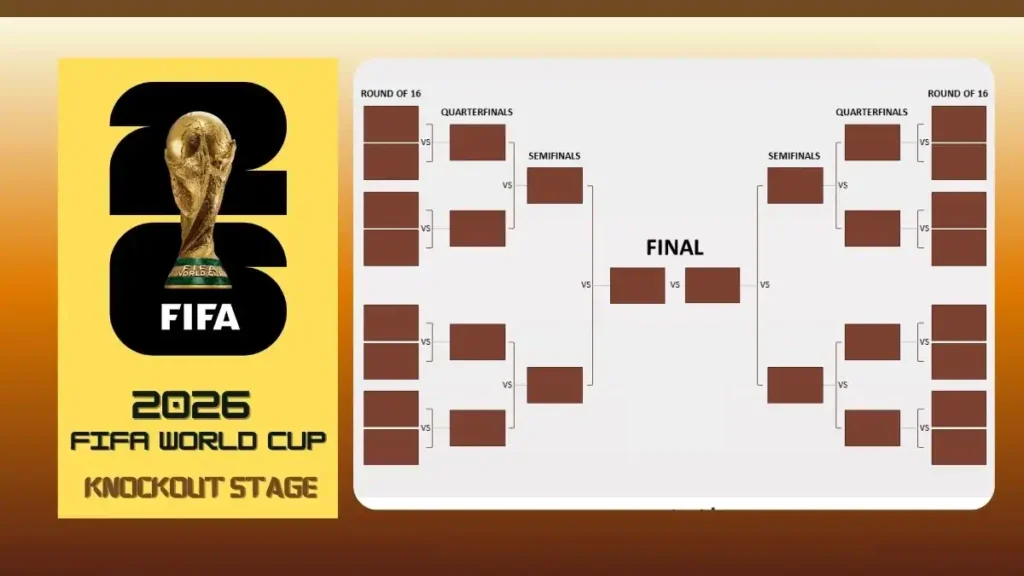
Knockout Stage Bracket Preview
The Round of 32 begins June 28, with matches spread across 16 venues in the US, Canada, and Mexico. The bracket is structured so that group winners face third-placed teams in the first knockout round, while runners-up face runners-up from other groups.
Potential heavyweight clashes loom: Brazil vs Germany could happen in the Round of 16 if both finish as group winners. Argentina and France could meet in the semi-finals. The bracket is wide open, and the expanded format means more Cinderella runs are possible.
What It Means for Indian Viewers
The World Cup has massive viewership in India, with matches broadcast across sports networks and digital platforms. Indian fans have had to adjust to the North American timezone — afternoon matches in the US air in the early morning in India, while evening matches in the US air in the early morning the next day.
Despite the time difference, viewership numbers are expected to rival those of the 2022 and 2018 tournaments, driven by the expanded format (more matches) and the star power of Messi, Ronaldo (if Portugal advances), and Mbappé.
Sources: FIFA.com, FOX Sports, BBC Sport, Yahoo Sports