Researchers at the Federal University of Sao Paulo (UNIFESP) in Brazil have discovered that a naturally occurring anti-inflammatory peptide derived from the Annexin A1 protein can protect dopamine-producing neurons from degeneration, offering a potential new approach to treating Parkinson's disease. The study, published in the journal Neuropharmacology, opens a fundamentally different avenue for tackling the neurodegenerative condition.
The Discovery: Ac2-26 Peptide Shows Neuroprotective Effects
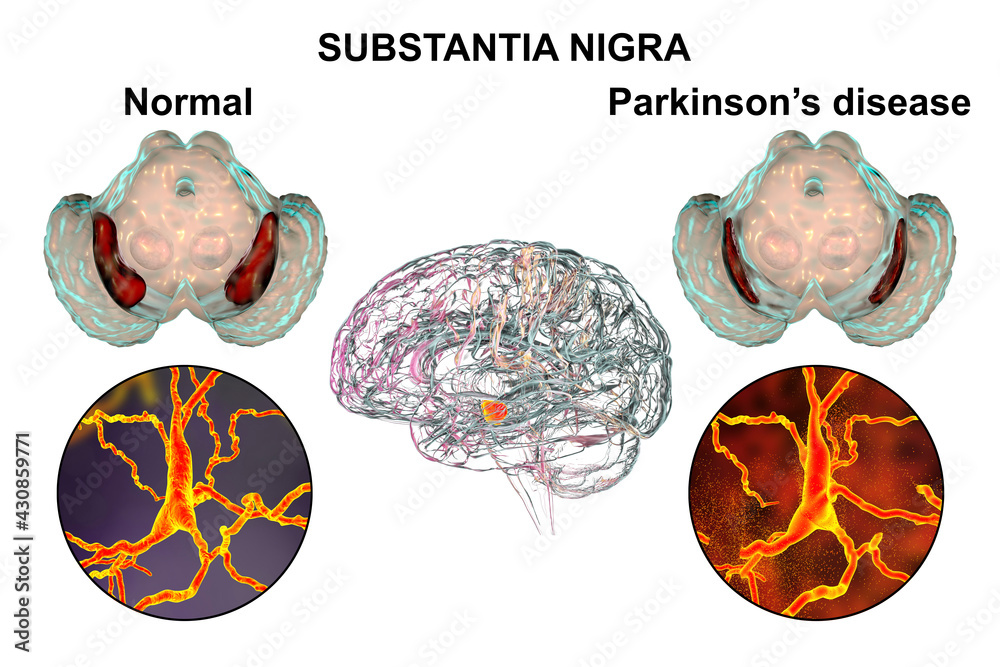
The peptide, called Ac2-26, is derived from Annexin A1, a protein that plays a key role in regulating inflammation. In experiments using a mouse model of Parkinson's disease, systemic administration of the peptide significantly reduced neuroinflammation and protected dopaminergic neurons — the brain cells that produce dopamine and are progressively lost in Parkinson's. The treated mice showed improved motor outcomes compared to untreated controls.
Why This Is Different from Existing Approaches
Current Parkinson's treatments focus on managing symptoms — primarily by replenishing dopamine levels through medications like levodopa. They do not slow or stop the underlying neurodegeneration. The Ac2-26 peptide targets the inflammatory process itself, potentially intervening at the earliest stages of neuronal damage. The study showed that the peptide acts preventively, protecting neurons before significant degeneration occurs. The next research phase will investigate whether it can reverse existing damage, which would make it an even more promising treatment candidate.
Sex-Specific Effects and Treatment Implications
An important finding from the study was that the peptide's effects differed between male and female mice. In males, neuron loss was more evident, allowing the protective effect of Ac2-26 to be clearly assessed. Females showed early motor resilience but experienced significant disruption to their reproductive cycles when Parkinson's was induced, highlighting the need for sex-specific treatment protocols. This underscores a growing recognition in neuroscience that Parkinson's affects men and women differently and may require tailored therapeutic approaches.
Global Context and India Connection
Parkinson's disease affects approximately 10 million people worldwide, with an estimated 1 million cases in India. The prevalence is rising as the population ages. Current treatment options remain limited and expensive, with few disease-modifying therapies available. A peptide-based therapy, if it advances through clinical trials, could offer a more accessible treatment path. Indian research institutions, including the National Brain Research Centre and the Indian Institute of Science, are actively involved in neurodegeneration research, and the UNIFESP findings may open collaborative avenues for India-Brazil research partnerships.
For related Voxlogue context, read Scientists Discover Hidden Cellular Survival System That Produces Amino Acids Through Backup Pathway, and Copper Drug Cu(ATSM) Clears Toxic Alzheimer's Proteins by 42% and Restores Memory, Monash Study Finds.