Monash University researchers have discovered that a copper-based drug called Cu(ATSM) can significantly reduce toxic Alzheimer's proteins and restore memory, according to a study published in ACS Chemical Neuroscience. The treatment repaired a vital waste-clearing pump at the blood-brain barrier, reducing toxic amyloid-beta proteins by 42 percent and improving spatial learning by nearly 44 percent over 56 days.
How the Copper Drug Works
Alzheimer's disease is driven by the buildup of amyloid-beta proteins in the brain. Normally, the brain flushes these toxins out through the blood-brain barrier using pumps called P-glycoprotein (P-gp). In Alzheimer's, these pumps weaken significantly, clogging the drain and trapping toxic proteins. Cu(ATSM) increases the abundance of P-gp clearance pumps by 24.1 percent, effectively repairing the blood-brain barrier's waste removal system.
Lead author Dr Jae Pyun, from the Monash Institute of Pharmaceutical Sciences, said: "This is the first study to show that Cu(ATSM) can increase the abundance of P-gp clearance pumps in an Alzheimer's model, effectively linking the repair of the blood-brain barrier to a reduction in toxic proteins and improved cognitive function."
| Metric | Result |
|---|---|
| Amyloid-beta reduction | 42% decrease |
| P-gp pump increase | 24.1% increase |
| Spatial learning improvement | 44% improvement |
| Treatment duration | 56 days |
| Study type | Preclinical (mouse model) |
Fast Track to Clinical Trials
What makes this discovery particularly promising is that Cu(ATSM) has already undergone safety evaluations for other neurological conditions, potentially accelerating its path to human clinical trials for Alzheimer's. Senior author Professor Joseph Nicolazzo noted that the compound has strong potential to quickly transition into human clinics. This acceleration could shave years off the typical drug development timeline.
Alzheimer's and other forms of dementia recently became Australia's leading cause of death, overtaking coronary heart disease. Globally, over 55 million people live with dementia, with numbers projected to reach 139 million by 2050. In India, an estimated 5.3 million people suffer from dementia, with Alzheimer's accounting for 60-70 percent of cases.
What This Means for Alzheimer's Treatment
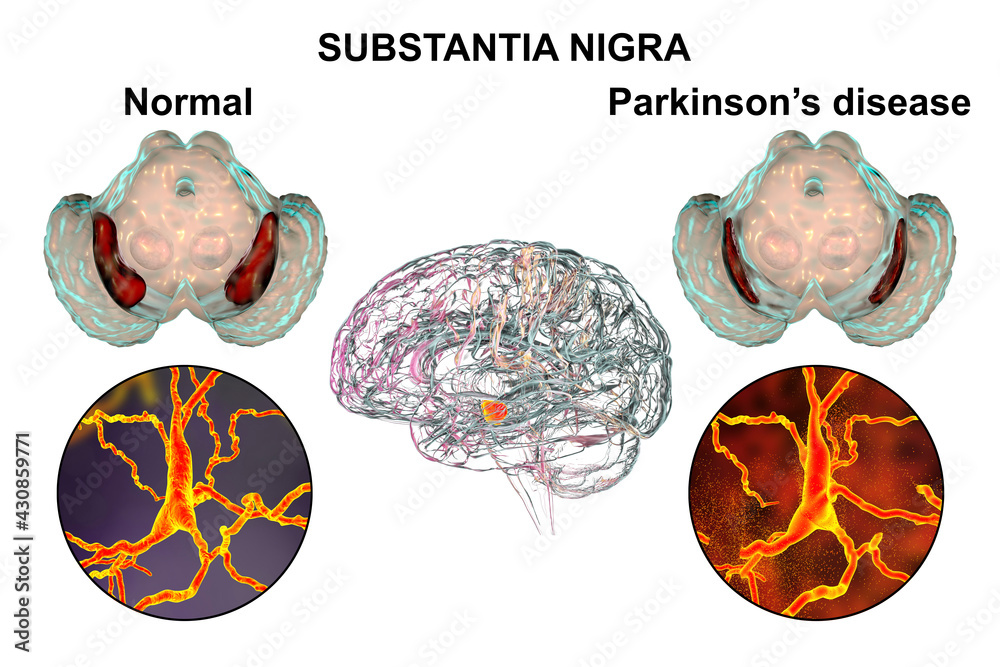
The Cu(ATSM) discovery represents a fundamentally different approach to Alzheimer's treatment. Most current drugs target amyloid plaques directly with limited success. Cu(ATSM) instead repairs the brain's own waste-clearing infrastructure, addressing the root cause of protein accumulation rather than just clearing existing deposits. As Voxlogue reported this week, a similar infrastructure-repair approach is showing promise for Parkinson's disease — suggesting that repairing the brain's clearance systems may be a broadly applicable strategy for neurodegenerative conditions.
For India, where the aging population is growing rapidly, affordable Alzheimer's treatments are urgently needed. A copper-based drug that could be manufactured relatively inexpensively would be far more accessible than biologic drugs that cost tens of thousands of dollars per year. Future studies will focus on tracking the precise clearance mechanisms and moving toward human trials.
For related Voxlogue context, read Brain-Protecting Peptide Offers New Hope for Parkinson's Treatment, Brazilian Study Shows, and 'Geriatric' Heliconius Butterfly Evolved Anti-Aging Strategy, Lives 25 Times Longer Than Relatives — May Unlock Longevity Secrets.