Gene Editing Breakthrough Honoured With Breakthrough Prize 2026
The Breakthrough Prize 2026 in Life Sciences has been awarded to Dr Stuart H. Orkin and Dr Swee Lay Thein for their pioneering research that transformed the devastating blood disorders sickle cell disease and beta-thalassemia from incurable conditions to treatable diseases through gene editing therapy. The $3 million prize, one of the largest in scientific awards, recognises work that has already begun saving lives and offers hope to millions of patients worldwide.
Orkin and Thein's research identified the molecular mechanisms that control the switch from fetal to adult haemoglobin, enabling the development of gene editing approaches that reactivate fetal haemoglobin production in patients with sickle cell disease and beta-thalassemia. This approach effectively compensates for the defective adult haemoglobin caused by these genetic disorders.
The Science Behind the Breakthrough
Sickle cell disease and beta-thalassemia are caused by mutations in the beta-globin gene, which produces a key component of adult haemoglobin. Patients with these conditions suffer from severe anaemia, pain crises, organ damage, and reduced life expectancy. The key insight from Orkin and Thein's decades of research was that fetal haemoglobin, which is naturally produced before birth, can functionally replace defective adult haemoglobin if its production can be reactivated.
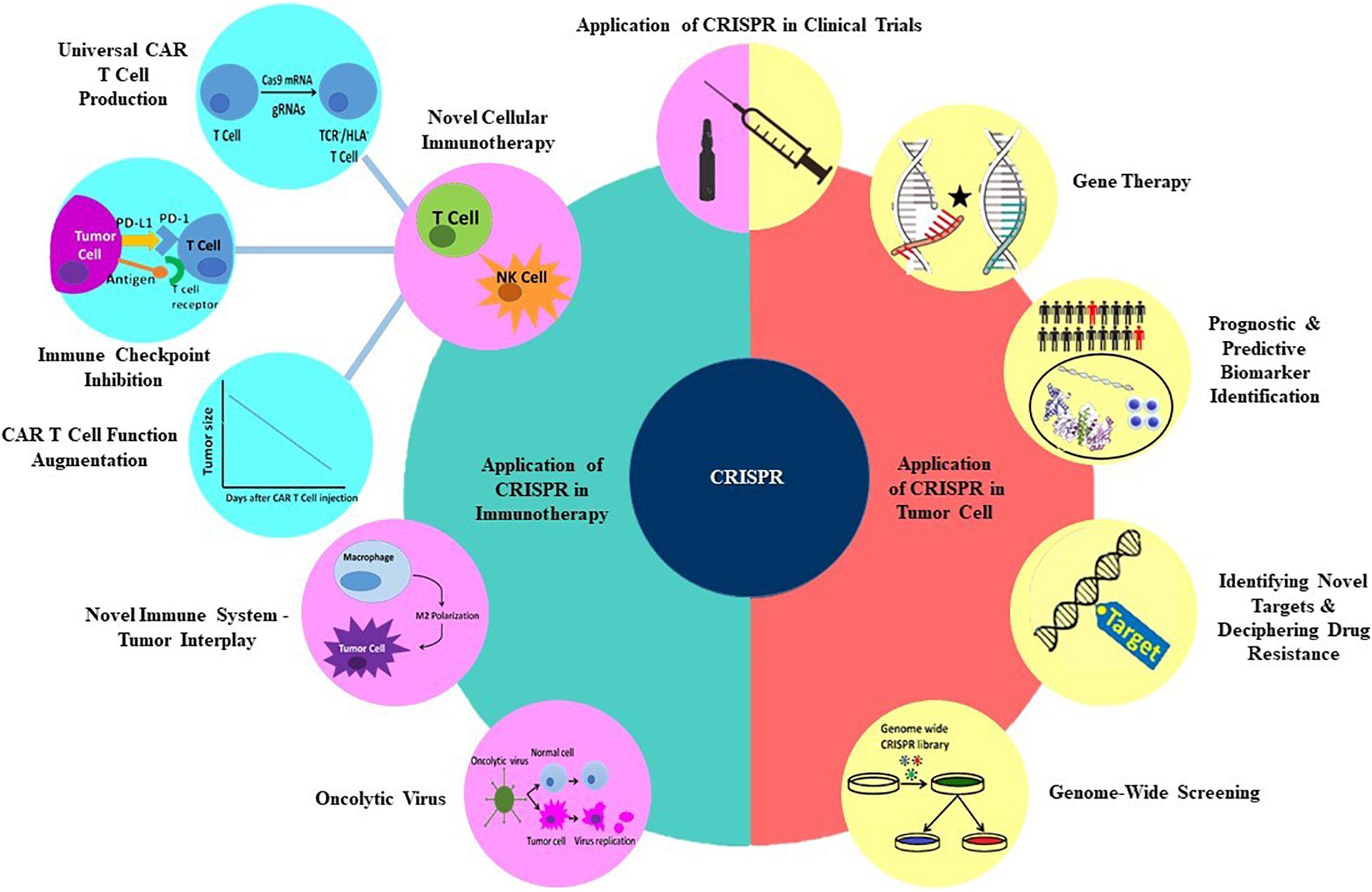
By identifying the BCL11A gene as the master regulator that switches off fetal haemoglobin production after birth, the researchers provided a precise genetic target for therapeutic intervention. Gene editing techniques, including CRISPR-Cas9, are now used to disrupt BCL11A in patients' own blood stem cells, causing them to resume fetal haemoglobin production and effectively cure the disease.
Clinical Impact and Patient Outcomes
The first gene editing therapy for sickle cell disease, Casgevy (exagamglogene autotemcel), received regulatory approval in multiple countries including the United States, United Kingdom, and European Union. Clinical trials have shown remarkable results, with the majority of treated patients achieving freedom from severe pain crises and hospitalisations.
Patients who were previously dependent on regular blood transfusions and faced life-threatening complications have been able to resume normal lives. The therapy involves collecting the patient's own blood stem cells, editing them in the laboratory, and infusing them back after a conditioning regimen. The one-time treatment has the potential to provide lifelong benefit.
Global Access Challenges and India Perspective
While the scientific achievement is remarkable, significant challenges remain in making these therapies accessible to patients worldwide. The current cost of Casgevy is approximately $2.2 million per patient in the United States, putting it far beyond the reach of most patients in developing countries where sickle cell disease is most prevalent.
India has one of the highest burdens of sickle cell disease globally, with an estimated 20 million people affected, particularly among tribal communities in central and western India. The Indian government has launched a National Sickle Cell Anaemia Elimination Mission targeting 2047, and the availability of gene editing therapies could transform this effort if costs can be reduced through generic manufacturing, technology transfer, and indigenous development of gene editing platforms.
Broader Implications for Gene Therapy
The success of this approach has broader implications for the entire field of gene therapy. It demonstrates that ex vivo gene editing of blood stem cells is a viable therapeutic platform that could be applied to dozens of other genetic blood disorders. Research is already underway to apply similar approaches to conditions such as haemophilia, severe combined immunodeficiency, and certain metabolic disorders.
The Breakthrough Prize recognition also validates the investment in fundamental research that made this achievement possible. Orkin and Thein's decades of basic science research on haemoglobin regulation, initially pursued without therapeutic intent, ultimately led to one of the most transformative medical advances of the decade.
Sources
Sources: Breakthrough Prize Official Announcement, Nature, New England Journal of Medicine, NIH, Indian Ministry of Health and Family Welfare