Researchers at the University of Montreal and the Montreal Clinical Research Institute (IRCM) have uncovered a previously hidden molecular 'brake' inside the immune system that limits the body's ability to fight cancer, a discovery that could open the door to a new class of immunotherapies for patients who do not respond to existing treatments.
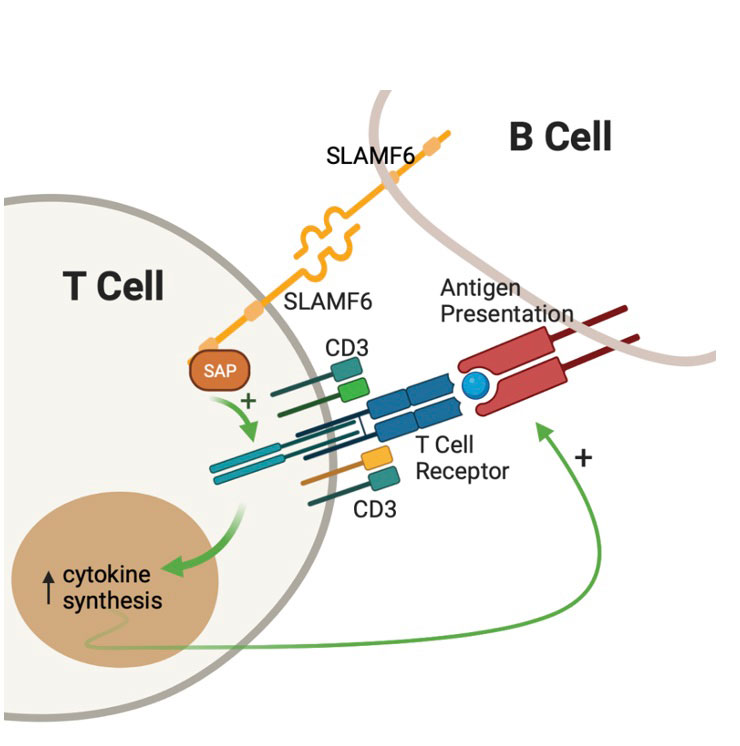
The molecule, known as SLAMF6, acts as a built-in shutoff switch on the surface of T cells — the immune system's primary cancer-killing soldiers. Unlike other known immune suppressors that require interaction with tumour cells to activate, SLAMF6 self-activates independently, sending a constant 'stop signal' that weakens the immune attack.
A Breakthrough in Understanding Cancer Resistance
Current immunotherapies, particularly PD-1 and PD-L1 inhibitors, have revolutionised oncology by 'releasing the brakes' that tumours impose on the immune system. However, a significant proportion of patients either do not respond to these treatments or eventually stop responding — a phenomenon that has puzzled scientists for years.
The team, led by Dr. André Veillette, a professor at Université de Montréal and senior investigator at IRCM, discovered that SLAMF6 operates through a fundamentally different mechanism. It does not need to interact with tumour cells to suppress the immune response. Instead, it self-activates directly on the T cell surface, causing three damaging effects: weakening the cells' attack capacity, reducing the production of long-lasting memory T cells, and accelerating immune exhaustion.
The findings were published in the journal Nature on February 11, 2026.
Developing a New Antibody Strategy
To counter SLAMF6's suppressive effects, the researchers developed new monoclonal antibodies that prevent SLAMF6 from interacting with itself on the T cell surface. The results in preclinical models have been striking. The antibodies led to increased activation of human T cells, higher numbers of resilient immune cells, fewer exhausted T cells, and strong anti-tumour responses in mice.
The team reports that these antibodies outperform all existing strategies aimed at SLAMF6, making them promising candidates for a new class of cancer immunotherapies. They could potentially provide an option for patients who have stopped benefiting from PD-1 or PD-L1 inhibitors.
Significance for Global Cancer Treatment
Cancer remains one of the leading causes of death worldwide, with the World Health Organization reporting approximately 10 million deaths annually. While immunotherapies have transformed outcomes for cancers such as melanoma and lung cancer, resistance remains a critical challenge affecting up to 60% of patients treated with checkpoint inhibitors.
Dr. Jean-François Côté, president and scientific director of IRCM, called the discovery 'the opening of a new chapter in immunotherapy.' The next step involves evaluating the safety and effectiveness of the SLAMF6-blocking antibodies in early-phase clinical trials involving patients with solid tumours or blood cancers.
India Angle: Implications for Indian Cancer Care
India faces a growing cancer burden, with an estimated 1.46 million new cancer cases diagnosed annually according to the Indian Council of Medical Research (ICMR). Access to immunotherapy in India has expanded significantly in recent years, with PD-1 inhibitors like pembrolizumab and nivolumab now available at lower costs through generic manufacturers and patient assistance programmes.
If the SLAMF6-targeting antibodies prove successful in clinical trials, Indian pharmaceutical companies — which are global leaders in biosimilar manufacturing — could play a crucial role in producing affordable versions for the Indian market. The discovery also highlights the importance of fundamental research, underscoring the need for increased investment in India's basic science ecosystem.
Sources: Nature, University of Montreal, SciTechDaily, IRCM, Indian Council of Medical Research