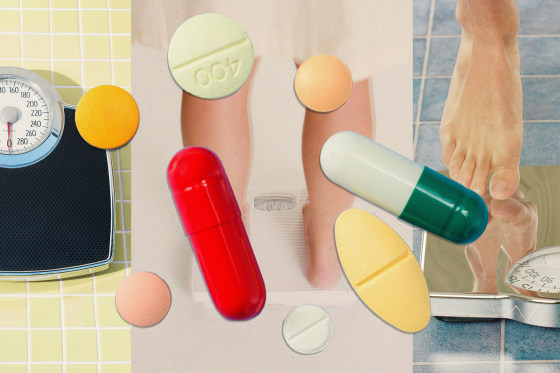
A new oral GLP-1 medication has delivered impressive results in a major clinical trial for patients with Type 2 diabetes, achieving significant improvements in both blood sugar control and weight loss without the need for injections. The findings, presented at the American Diabetes Association annual meeting, represent a significant advance in diabetes treatment.

The Clinical Trial Results
In the double-blind, placebo-controlled trial involving over 2,500 patients across 18 countries, the oral GLP-1 medication achieved an average HbA1c reduction of 1.8 percentage points — compared to 0.4 points in the placebo group — bringing most patients within the target range for blood sugar control. Weight loss averaged 12.4 kg (27.3 lbs) over 48 weeks, representing approximately 13% of baseline body weight. These results are comparable to injectable GLP-1 drugs like semaglutide (Ozempic/Wegovy) and tirzepatide (Mounjaro/Zepbound), but with the convenience of a daily oral tablet.
How It Differs From Existing GLP-1 Drugs
Existing GLP-1 medications like semaglutide are peptides that must be injected because they would be broken down by stomach acid if taken orally. The new compound uses a novel delivery technology that protects the active ingredient during digestion while enhancing absorption in the small intestine. Patients reported fewer gastrointestinal side effects compared to injectable GLP-1s, likely due to the more gradual absorption profile. The once-daily dosing regimen is also more convenient than weekly injections, which could improve patient adherence significantly.
Implications for India's Diabetes Epidemic
India is home to over 100 million people with diabetes — the second highest in the world after China. The economic burden of diabetes in India is estimated at over $100 billion annually, including direct medical costs and lost productivity. Current injectable GLP-1 drugs are available in India but remain expensive (₹3,000-8,000 per month) and require cold chain storage, limiting their use in rural areas. An oral formulation that is stable at room temperature could dramatically expand access. Indian pharmaceutical companies, known for producing affordable generics, are expected to develop biosimilar versions, potentially bringing costs down to ₹500-1,000 per month within a few years.
Beyond Diabetes: Weight Loss Applications
While the trial focused on Type 2 diabetes, the drug's weight loss effects position it as a potential competitor in the rapidly growing obesity treatment market. The global obesity drug market is projected to exceed $100 billion by 2030, and oral formulations are seen as the next frontier. Novo Nordisk, Eli Lilly, and Pfizer are all racing to develop oral GLP-1 candidates. India's obesity rate, while lower than Western countries, is rising rapidly — particularly in urban areas — creating significant demand for effective weight loss treatments.
Safety Profile and Next Steps
The safety profile was consistent with known GLP-1 class effects: nausea (22% vs 8% placebo), diarrhoea (15% vs 6%), and vomiting (8% vs 3%). Serious adverse events were rare and balanced between groups. The manufacturer plans to submit regulatory applications in the US, EU, and India within the next six months, with potential market launch in early 2027. Long-term cardiovascular outcome studies are already underway to assess the drug's effect on heart attack, stroke, and cardiovascular death rates.
Sources: ScienceDaily, ADA Annual Meeting 2026, New England Journal of Medicine, Reuters