Researchers backed by the US Defense Advanced Research Projects Agency (DARPA) and the National Science Foundation (NSF) have achieved a major breakthrough in cell-free biomanufacturing — modular, freeze-dried systems that can produce proteins, enzymes, vaccines, and therapeutic drugs on demand without the need for living organisms or fermentation tanks. The technology promises to transform pharmaceutical manufacturing, particularly for low-resource settings and rapid pandemic response.
How Cell-Free Biomanufacturing Works
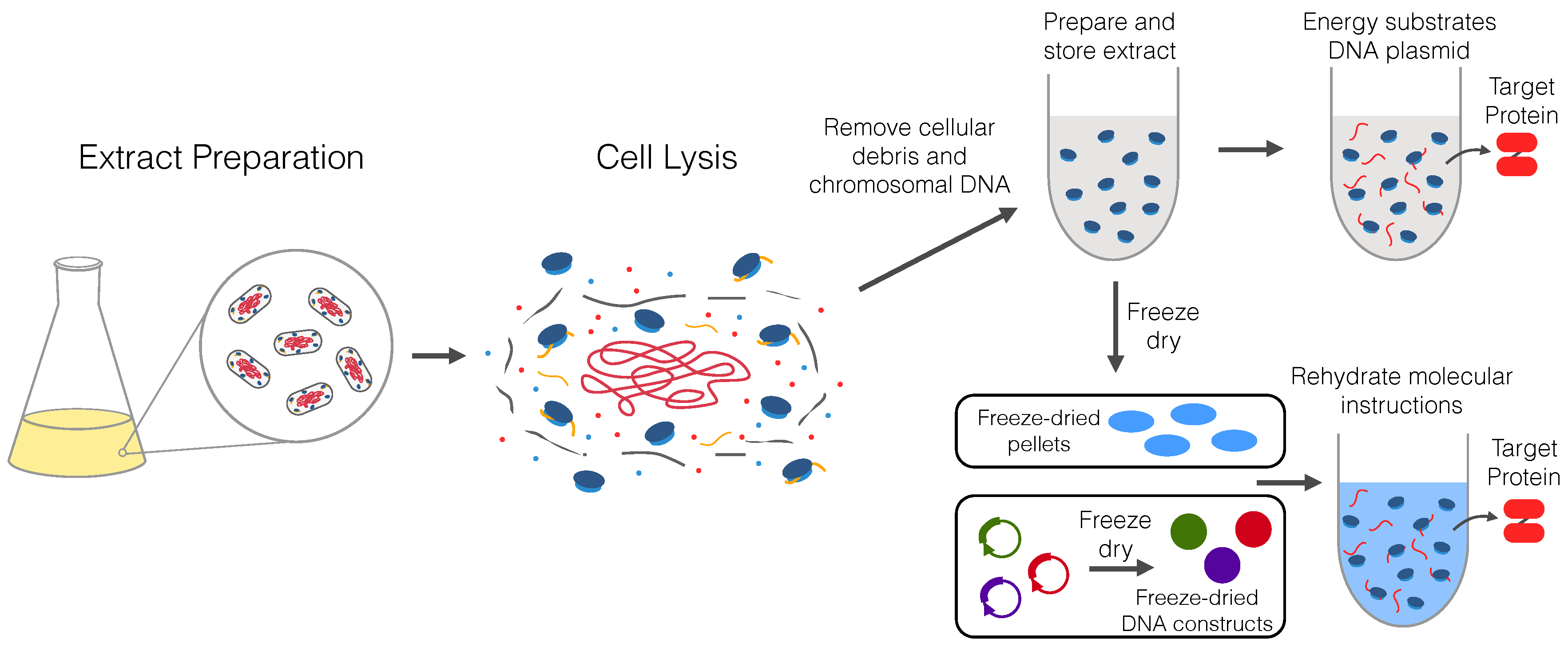
Traditional biomanufacturing relies on living cells — typically genetically modified bacteria or yeast — grown in massive stainless steel fermentation tanks. This process takes weeks to establish, requires cold-chain logistics for biological materials, and is vulnerable to contamination. Cell-free systems eliminate the living organism entirely. Instead, they use freeze-dried cellular extracts containing the necessary molecular machinery — ribosomes, enzymes, and energy-regeneration systems — that can carry out protein synthesis when rehydrated and combined with a DNA template. The freeze-dried extracts can be stored at room temperature for months, dramatically simplifying distribution and deployment. When needed, healthcare workers simply add water and the target DNA sequence, and the system begins producing the desired therapeutic protein within hours.
Applications for India's Pharmaceutical and Vaccine Industry
India, as the "pharmacy of the world" producing over 60% of global vaccines, stands to benefit enormously from this breakthrough. Cell-free biomanufacturing could enable distributed production of generic biologics, therapeutic proteins, and vaccines at the district hospital level, reducing dependence on centralised manufacturing facilities. Indian companies such as the Serum Institute of India, Bharat Biotech, and Biological E could leverage cell-free systems for rapid pandemic response — producing vaccines within days of receiving a genetic sequence rather than the months required for traditional egg-based or cell-culture methods. This builds on recent advances like the world's first AI-designed vaccine that recently passed human trials, demonstrating how AI and biotechnology are converging to accelerate drug development. The technology is particularly compelling for India's ambition to establish itself as a leader in biosimilars and complex biologics manufacturing, where cell-free systems could dramatically reduce capital expenditure on fermentation infrastructure. Indian research institutions including the Indian Institute of Technology and the Council of Scientific & Industrial Research (CSIR) are already exploring cell-free platforms for diagnostic protein production.
The DARPA Connection: Strategic Resilience
DARPA's investment in cell-free biomanufacturing is driven by a strategic objective: creating a manufacturing capability that is resilient to supply chain disruptions, pandemics, and biological threats. The program aims to develop portable manufacturing units that can be air-dropped into any location and begin producing medical countermeasures within 48 hours. This strategic framing has attracted additional investment from Ginkgo Bioworks, which was awarded a DARPA contract to develop modular, cell-free systems for complex therapeutic proteins. European universities are also contributing to the field, with research groups exploring how machine learning can optimise cell-free reaction conditions, predict optimal enzyme combinations, and improve protein folding yields. The convergence of synthetic biology, microfluidics, and AI-driven optimisation — exemplified by tools like AlphaFold 3 that is already designing drugs — is accelerating the commercialisation timeline significantly.
Challenges and Commercialisation Timeline
Despite the promise, significant challenges remain before cell-free biomanufacturing can replace conventional methods at industrial scale. Current yields are substantially lower than cell-based fermentation — a typical cell-free reaction produces milligrams per millilitre, while industrial fermentation produces grams per litre. Cost per gram of therapeutic protein remains 10-100 times higher for cell-free systems. Researchers are actively working on yield improvement through reaction optimisation, continuous-flow reactor designs, and energy-regeneration improvements, including enzyme engineering breakthroughs like Merck's 14-fold yield improvement for weight loss drug Enlicitide. Commercial deployment for high-value, low-volume therapeutics — such as personalised cancer vaccines, rare disease enzyme replacements, and emergency pandemic countermeasures — is expected within 3-5 years. Broader adoption for commodity biologics may take 5-10 years as yields improve and costs decline.