The Breakthrough: AI-Designed Super-Antigen
For the first time in medical history, a vaccine whose active component was designed entirely by artificial intelligence has been tested in humans — and it passed. Researchers at the University of Cambridge and its spinout company DIOSynVax (DVX) Ltd announced on June 5, 2026, that their AI-engineered universal coronavirus vaccine completed a Phase I clinical trial with no significant side effects, marking a paradigm shift in how vaccines are developed.
The vaccine is designed to protect against the entire Sarbecovirus family — the large group of coronaviruses that includes SARS-CoV-2 (which caused the COVID-19 pandemic), the original SARS virus (SARS-CoV-1), and multiple bat coronaviruses circulating in nature that have the potential to trigger future pandemics. Rather than chasing each new variant as it emerges, this approach aims to provide broad, lasting protection against an entire virus family at once.
Professor Saul Faust, Chief Investigator of the trial from the University of Southampton, described the significance: "This new class of universal vaccines is future-proofed. They not only protect against many variants simultaneously, but potentially against related viruses that haven't yet emerged and spilled over to humans. If we can develop and clinically advance this new class of vaccines before a virus outbreak begins, millions of lives could be saved, lockdowns avoided and the economy preserved."
How the AI Created a Future-Proof Vaccine
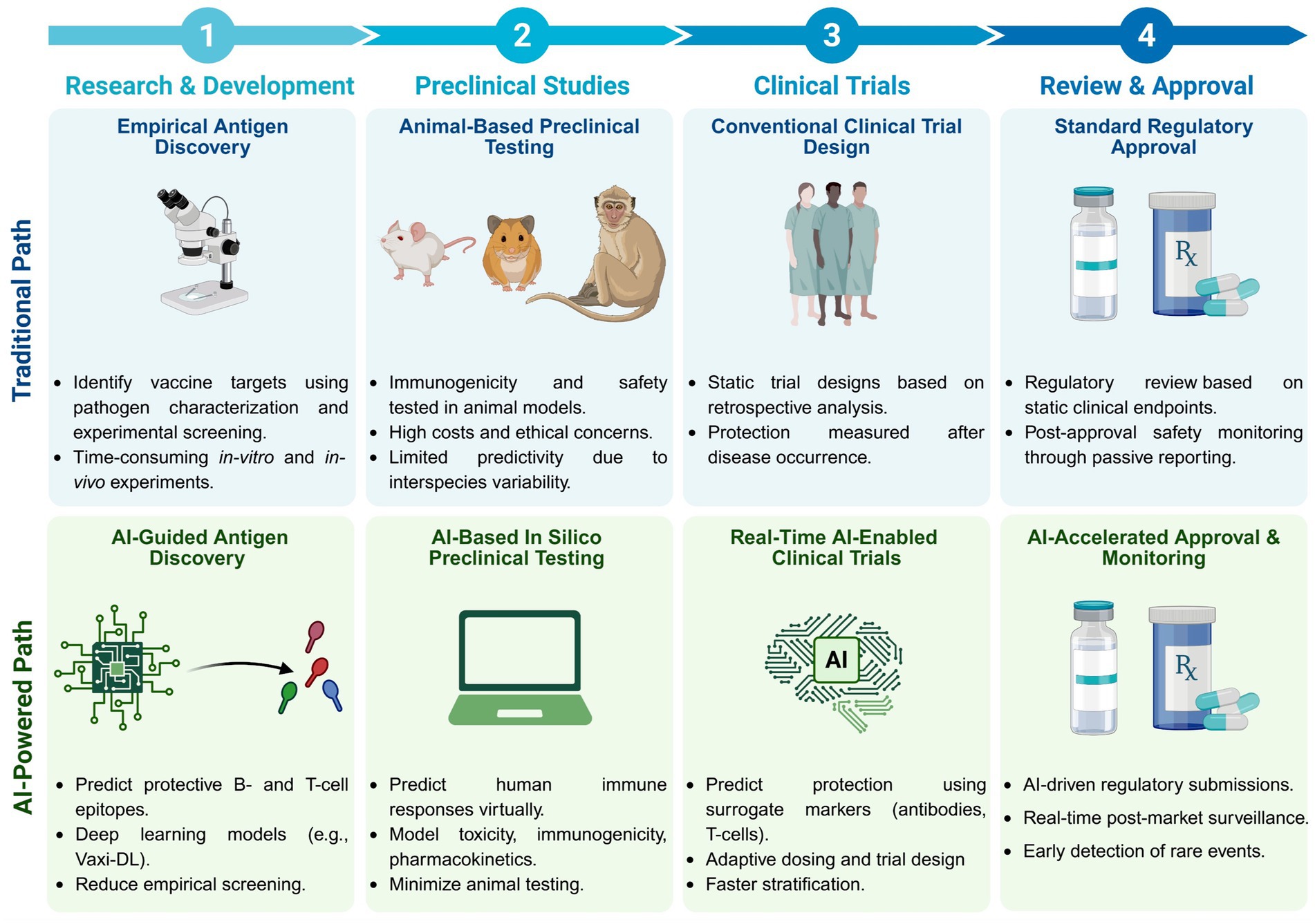
The key innovation lies in how the vaccine's active ingredient — its antigen — was designed. Traditional vaccine development involves identifying a specific virus strain and creating a vaccine that targets that strain's unique features. When the virus mutates, the vaccine must be updated. This reactive cycle has been evident throughout the COVID-19 pandemic, with booster shots needing regular reformulation.
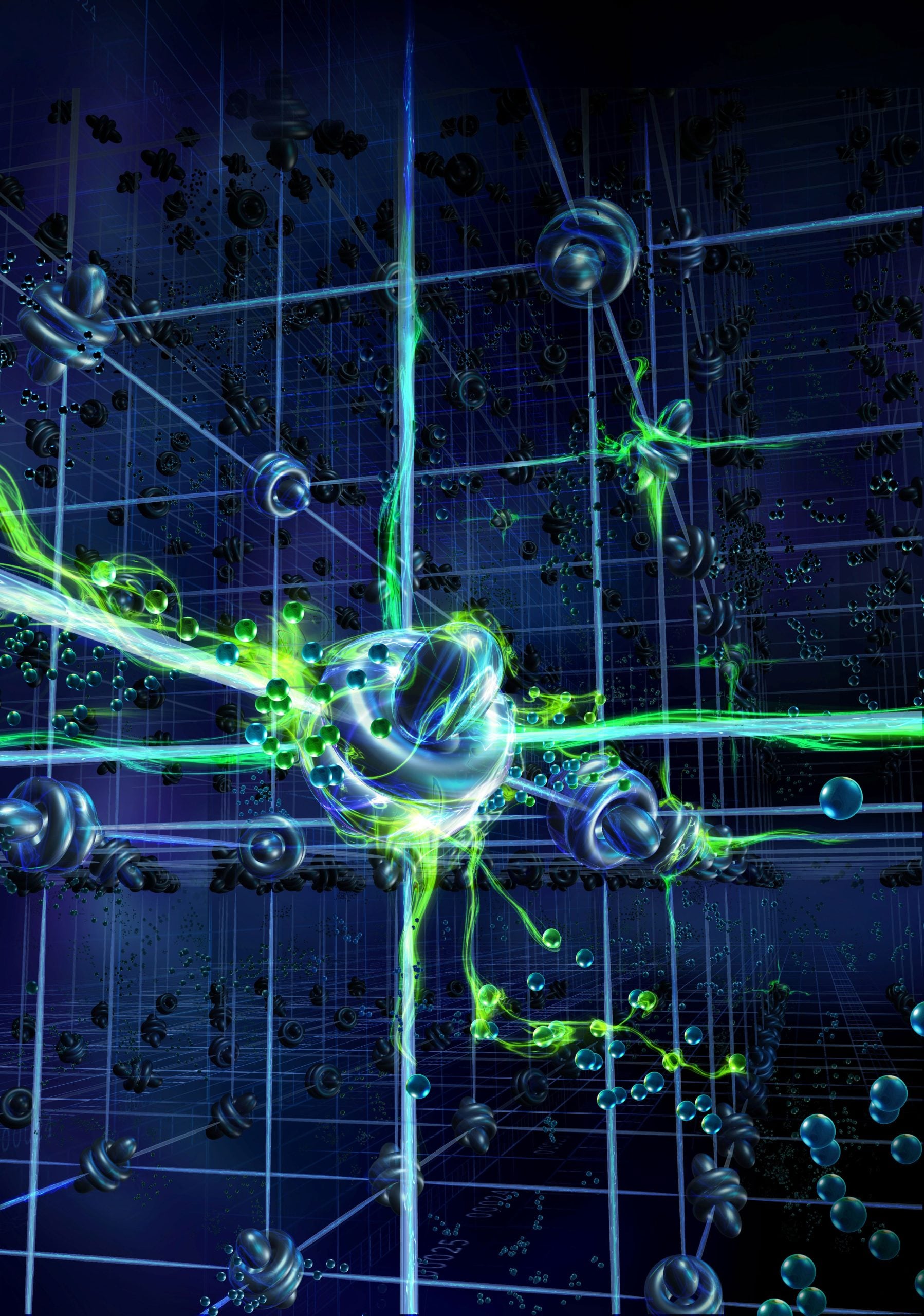
The Cambridge team flipped this approach entirely. Using artificial intelligence and machine learning, they analyzed global genetic surveillance data from across the entire Sarbecovirus family — including viruses found in bats that have never infected humans. The AI identified antigenic features that are shared and conserved across all members of the virus family, then computationally designed a single stable "super-antigen" that trains the immune system to recognize any virus within that family.
Professor Jonathan Heeney from the University of Cambridge's Lab of Viral Zoonotics, who led the scientific research, explained: "We've converted vaccine development from being reactive to being future proof. Our vaccines will continue to provide protection against viruses even as they mutate into new strains. It means we can escape the constant cycle of chasing the virus variants circulating in humans and updating the vaccines to try to catch up, like a dog chasing its tail."
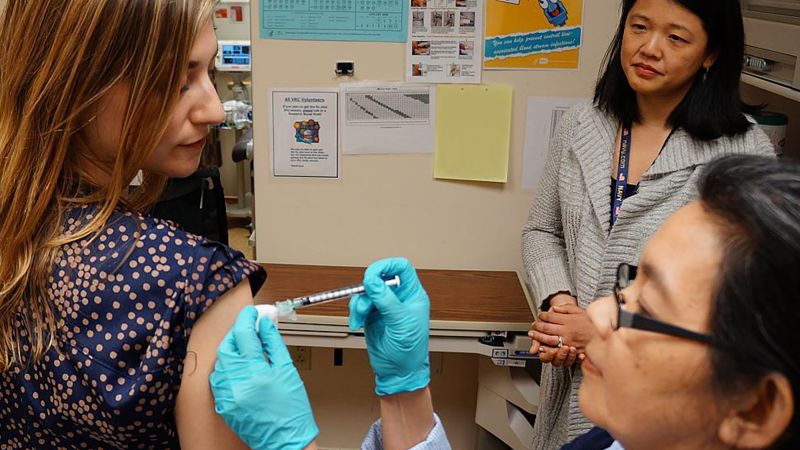
The vaccine, designated pEVAC-PS, was administered as a DNA vaccine using a needle-free micro fluid jet system — eliminating needle phobia barriers and enabling potentially faster, easier mass vaccination campaigns. The antigen design is also compatible with other delivery platforms including mRNA and viral vectors, meaning the same super-antigen could be deployed through multiple vaccine technologies.
Phase 1 Trial Results: Safe and Broadly Protective
The Phase I clinical trial involved 39 healthy volunteers aged 18 to 50, conducted at the NIHR Clinical Research Facilities in Southampton and Cambridge, sponsored by University Hospital Southampton NHS Foundation Trust. The results, published in the Journal of Infection, demonstrated that the vaccine was safe and well tolerated with no significant side effects.
Critically, the vaccine generated immune responses not only against SARS-CoV-2 but also against the original SARS virus (SARS-CoV-1) and multiple bat coronaviruses that represent potential future spillover threats. This cross-protective immune response is what makes the vaccine truly "universal" — it works against the entire virus family, not just one strain.
The trial's success validates the AI-driven antigen design approach. As AI systems continue to prove their value across scientific domains — from solving long-standing mathematical conjectures to designing medical treatments — this marks one of the most direct applications of AI to saving human lives.
India's Role in the Global Vaccine Revolution
India's connection to this breakthrough runs deep. The Serum Institute of India (SII), the world's largest vaccine manufacturer by volume, produces approximately 60% of the world's vaccines and supplies more than 170 countries. SII has a proven track record of rapid response to outbreaks, having delivered investigational Ebola vaccine doses in just 80 days during the 2022 Uganda outbreak.
The rise of AI-designed vaccines presents both opportunity and strategic importance for India. As a founding member of the COVAX facility and a key partner in CEPI's global manufacturing network, India is positioned to manufacture and distribute next-generation universal vaccines at scale. India's IT services industry, generating $10-12 billion in AI services revenue, provides the computational expertise needed to participate in AI-driven vaccine design.
India's own vaccine innovation ecosystem has matured significantly since the COVID-19 pandemic. The country's first mRNA vaccine (GEMCOVAC-19), developed by Gennova Biopharmaceuticals, was approved in 2022. Indian institutions including the Indian Institute of Science and the Translational Health Science and Technology Institute have built active computational biology programs that could directly contribute to AI-driven antigen design.
The IndiaAI Mission, with its ₹10,372 crore budget, identifies healthcare and biotechnology as priority areas for AI application. If universal vaccine platforms succeed, India's manufacturing scale — capable of producing billions of doses annually — will be essential for global equitable access, particularly for low- and middle-income countries.
Beyond COVID: The Bigger Picture
The same AI-driven antigen design strategy is being explored for other virus families, with DIOSynVax's pipeline including candidates targeting seasonal influenza, pandemic influenza threats, haemorrhagic fever viruses (including Ebola), and additional SARS-CoV-2 variants.
The implications for pandemic preparedness are profound. Professor Marian Knight, Scientific Director for NIHR Infrastructure, called the trial results "a pivotal leap forward in our ability to deliver broad, lasting viral protection." The ability to pre-design vaccines against entire virus families before a novel pathogen emerges could transform pandemic response from reactive crisis management to proactive prevention.
Phase II trials are now being planned to evaluate the vaccine in a larger, more diverse population. If those trials confirm the broad protective capability demonstrated in Phase I, the technology could reshape global public health strategy — moving from an annual booster cycle to durable, family-level immunity. DIOSynVax, founded in 2017 with support from Cambridge Enterprise, has already secured significant funding from Innovate UK and the Coalition for Epidemic Preparedness Innovations (CEPI) to advance its pipeline.
Frequently Asked Questions
What makes this vaccine different from existing COVID-19 vaccines?
Existing vaccines target specific virus strains and require updates as variants emerge. This AI-designed vaccine targets the entire Sarbecovirus family at once, providing protection against multiple coronaviruses including potential future pandemic threats.
How was AI used to design the vaccine?
AI analyzed global genetic data from all known Sarbeco coronaviruses, identified shared antigenic features across the entire family, and computationally designed a single "super-antigen" that trains the immune system against the whole virus group.
Is the vaccine safe?
Phase I trials with 39 volunteers showed the vaccine is safe and well tolerated with no significant side effects. Larger Phase II trials are planned to confirm safety in a broader population.
What is needle-free delivery?
The vaccine is administered using a micro fluid jet system that delivers the DNA vaccine through the skin without a needle, eliminating needle phobia barriers and enabling faster mass vaccination.
When will this vaccine be available to the public?
The vaccine is still in early-stage clinical development. Phase II trials with approximately 200 participants are planned. If successful, the vaccine would still need Phase III trials and regulatory approval before public use, likely taking several years.
What does this mean for India?
India, as the world's largest vaccine manufacturer, is well positioned to produce and distribute AI-designed universal vaccines at scale. The country's growing AI and biotechnology sectors can contribute to the computational design of future vaccines.
Can this technology be used for other viruses?
Yes, the same AI-driven approach is being explored for influenza, Ebola, and haemorrhagic fever viruses. The platform is designed to be adaptable to any virus family.
Sources
- ScienceDaily: AI-designed universal coronavirus vaccine passes first human trial
- Medical Xpress: AI-designed universal vaccine clears first human trial
- The Indian Express: Cambridge scientists develop first AI vaccine against coronaviruses
- CEPI: Serum Institute of India joins CEPI global network
- DIOSynVax official website