An Unexpected Link Between Agriculture and Antibiotic Resistance
In a startling discovery published on June 23, 2026 on ScienceDaily, researchers have found that highly drug-resistant bacteria isolated from hospital patients are also resistant to glyphosate — one of the most widely used weedkillers in the world. The finding suggests that agricultural herbicides may be inadvertently fueling the global superbug crisis by promoting the survival of bacteria that are simultaneously resistant to both herbicides and multiple antibiotics. The study raises urgent questions about the interface between agricultural chemical use and public health.
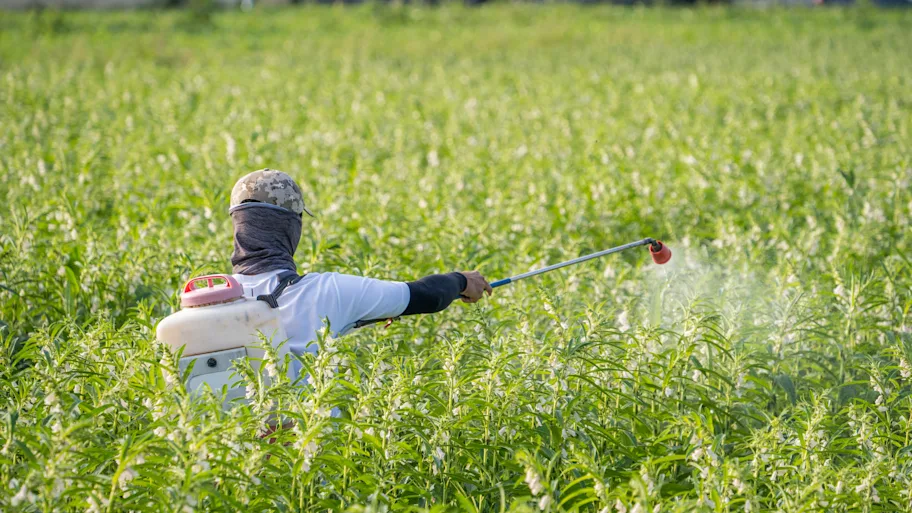
Glyphosate, sold commercially under the brand name Roundup, is used extensively in agriculture across the United States, Brazil, India and Europe. It is applied to crops including soybeans, corn, wheat and cotton to control weeds. The chemical has been the subject of intense regulatory and scientific debate for years over its potential carcinogenic effects, but this new research identifies a previously unknown mechanism by which it could contribute to the antimicrobial resistance crisis that the World Health Organization has called "one of the top global public health threats."
The Mechanism and Study Findings
The researchers tested highly drug-resistant bacterial strains collected from hospital patients — including strains of Acinetobacter baumannii, Pseudomonas aeruginosa and Enterobacteriaceae that are resistant to multiple last-resort antibiotics — and found that they also exhibited high levels of glyphosate resistance. This suggests that the same genetic mechanisms or physiological adaptations that allow these bacteria to survive antibiotic treatment also protect them from glyphosate exposure. The study indicates that agricultural use of glyphosate may create an environment that selects for bacteria carrying both herbicide and antibiotic resistance traits.
The implications are profound. While antibiotic resistance has traditionally been viewed as a consequence of antibiotic overuse in medicine and agriculture, this study suggests that herbicides may play a previously underappreciated role in maintaining and spreading resistance genes in the environment. Soil, water and food contaminated with glyphosate residues could serve as reservoirs for multidrug-resistant bacteria that then find their way into healthcare settings. The researchers emphasized that the findings do not prove causation but establish a strong correlation warranting further investigation and potentially regulatory review.
Broader Context and India Angle
India is one of the world's largest users of glyphosate in agriculture, with the herbicide widely employed in tea plantations, cotton farming and pulse cultivation. At the same time, India faces one of the highest burdens of antimicrobial resistance in the world. A 2024 ICMR study found that over 70 percent of bloodstream infections in Indian ICUs were caused by bacteria resistant to multiple antibiotics. The new research adds another dimension to India's AMR challenge, suggesting that agricultural practices — not just antibiotic misuse — may be contributing to the crisis.
The study also highlights the need for a One Health approach that connects agricultural chemical regulation with antimicrobial resistance policy. The Indian Council of Agricultural Research and the Ministry of Health and Family Welfare have initiated joint surveillance programs for antibiotic resistance in agricultural settings, and these findings underscore the importance of broadening those programs to include herbicide resistance monitoring. For policymakers, the research adds weight to calls for reducing glyphosate use and accelerating the adoption of sustainable agricultural practices.
Sources
Sources: ScienceDaily, World Health Organization Antimicrobial Resistance Report, Indian Council of Medical Research AMR Surveillance Network, Ministry of Agriculture glyphosate usage data