A Paradigm Shift in Arthritis Treatment
In a landmark study published in the journal Science on June 12, 2026, researchers at Stanford University announced a breakthrough that could transform the treatment of osteoarthritis — a disease affecting approximately 60 million Americans and generating $65 billion in annual direct healthcare costs in the United States alone. The team, led by Dr. Helen Blau of the Baxter Laboratory and Dr. Nidhi Bhutani of Orthopedic Surgery, demonstrated that blocking a single aging-related enzyme with a single injection can regenerate cartilage tissue, potentially eliminating the need for the 700,000 knee replacement surgeries performed annually in the US.
The study targets an enzyme called 15-hydroxy prostaglandin dehydrogenase (15-PGDH), which the team describes as a "gerozyme" — an enzyme that accumulates with age and progressively disables chondrocytes, the cells responsible for producing and maintaining cartilage. By inhibiting 15-PGDH, the treatment shifts gene expression in existing chondrocytes to behave like younger cells, effectively bypassing the supply limitations that have hampered stem cell therapy approaches. Dr. Blau said, "We were amazed to see that extent of regeneration of the cartilage. Until now, there has been no drug that directly treats the cause of cartilage loss."
Results Across Models
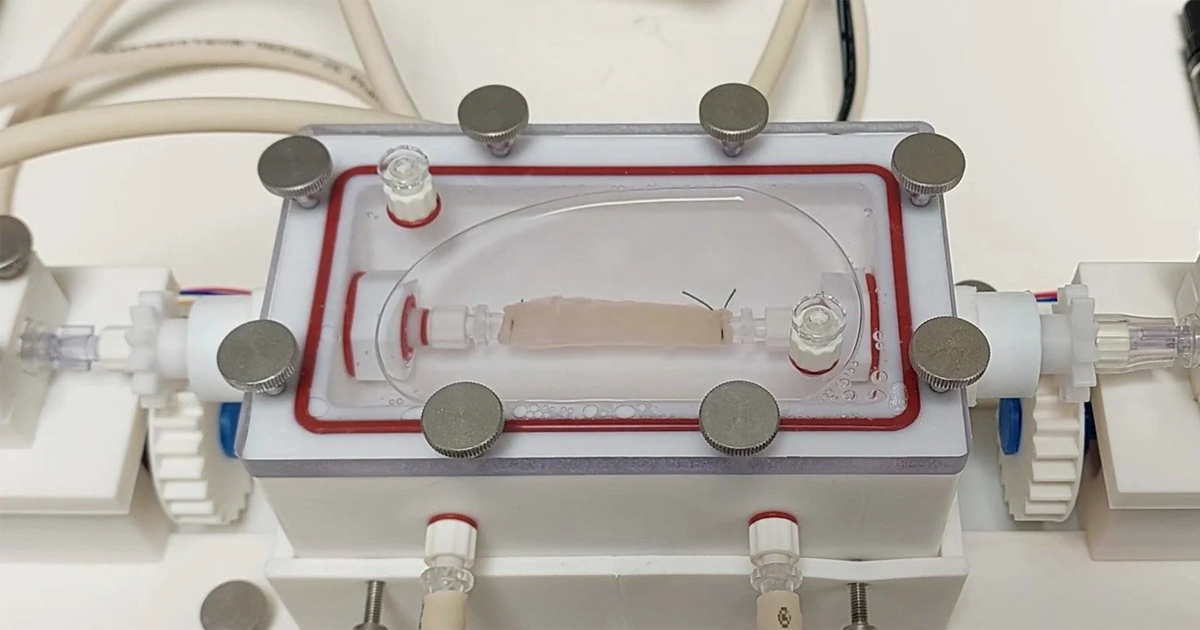
The results were striking across multiple experimental models. In aged mice with naturally occurring cartilage loss, a single injection of the 15-PGDH inhibitor fully restored healthy, shock-absorbing cartilage that was histologically similar to young cartilage. In a post-injury model simulating anterior cruciate ligament tears, the treatment prevented arthritis from forming in approximately 50 percent of treated animals — a result that could have profound implications for athletes and active individuals who suffer joint injuries early in life. Most remarkably, human cartilage samples from actual knee replacement surgeries — tissue so degenerated that surgical removal was necessary — began forming new, functional cartilage when treated with the inhibitor in the laboratory.
"Our hope is that a similar trial will be launched soon to test its effect in cartilage regeneration," said Dr. Blau. "Imagine regrowing existing cartilage and avoiding joint replacement." The 15-PGDH inhibitor is licensed to Epirium Bio and is already in Phase 1 clinical trials for age-related muscle weakness. The Phase 1 data confirm the drug is safe and pharmacologically active in healthy human volunteers. A dedicated clinical trial for cartilage regeneration is being planned, and if trials proceed rapidly, treatments could reach patients in five to ten years.
Implications for India and Global Healthcare
The breakthrough has enormous significance for India, where osteoarthritis affects an estimated 60 million people, making it one of the most common chronic conditions in the country. Knee replacement surgery is expensive — ranging from ₹1.5 lakh in government hospitals to ₹5 lakh in private facilities — and inaccessible to many in rural areas. A non-surgical, single-injection treatment could dramatically reduce the burden on India's healthcare system and improve quality of life for millions of elderly Indians who suffer from chronic knee pain.
The study adds to a growing body of research on regenerative medicine and aging. Other recent advances include the discovery that the ability to rebuild body parts may be "switched off" in mammals rather than lost, promising two-stage regenerative treatments; and a new understanding of how neurons break their own DNA during brain development, opening avenues for neural repair. The Stanford team is now working to accelerate the clinical trial timeline for the cartilage indication, and Epirium Bio has indicated willingness to include Indian clinical trial sites given the high prevalence of osteoarthritis in the subcontinent.
Sources
Sources: Medical Daily (Elena Vega), Science Journal (June 12, 2026), Stanford University Press Release, Epirium Bio, Indian Council of Medical Research osteoarthritis prevalence data