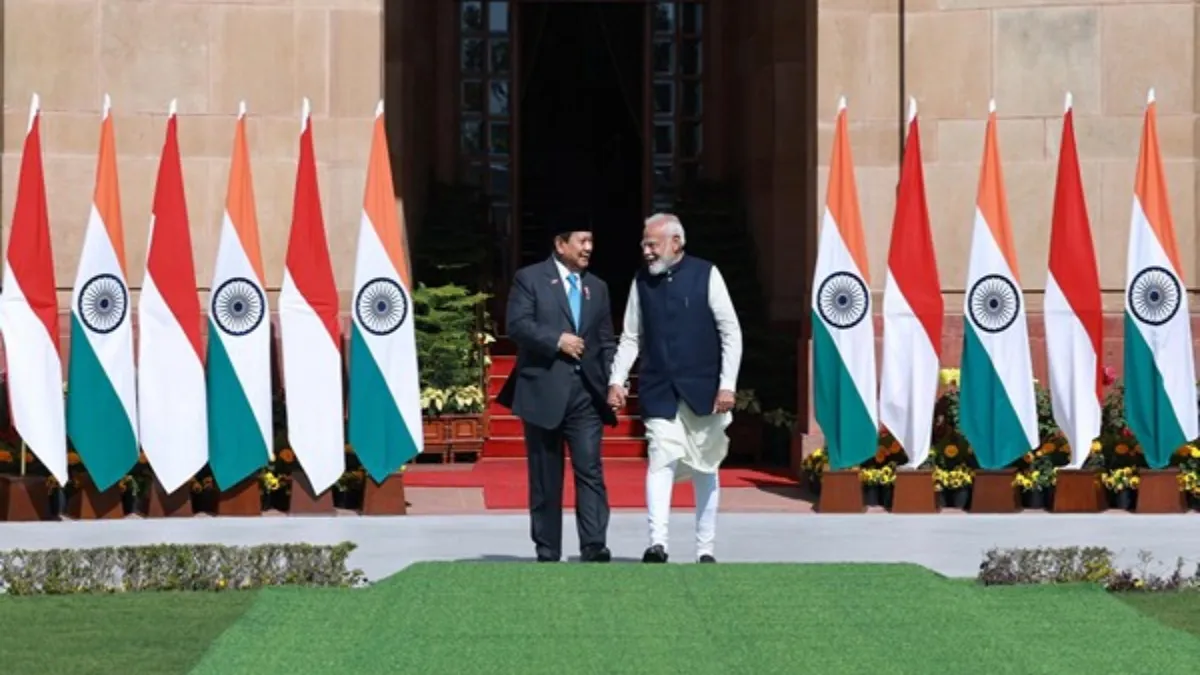
India has sent a high-level diplomatic delegation to Tehran as Iran commenced a historic week-long funeral for Supreme Leader Ayatollah Ali Khamenei, with millions of mourners flooding the streets of the Iranian capital in a massive show of public devotion.
The funeral ceremonies, which began on July 4 and will continue through July 9, represent the most significant public gathering in Iran since the February 28 US-Israeli strikes that killed Khamenei and triggered the devastating Iran war. The Indian delegation's presence underscores New Delhi's delicate balancing act — maintaining ties with both Iran and the United States amid the post-war geopolitical realignment in the Middle East, as US-Iran peace talks continue under a 60-day framework.
Massive Public Turnout in Tehran
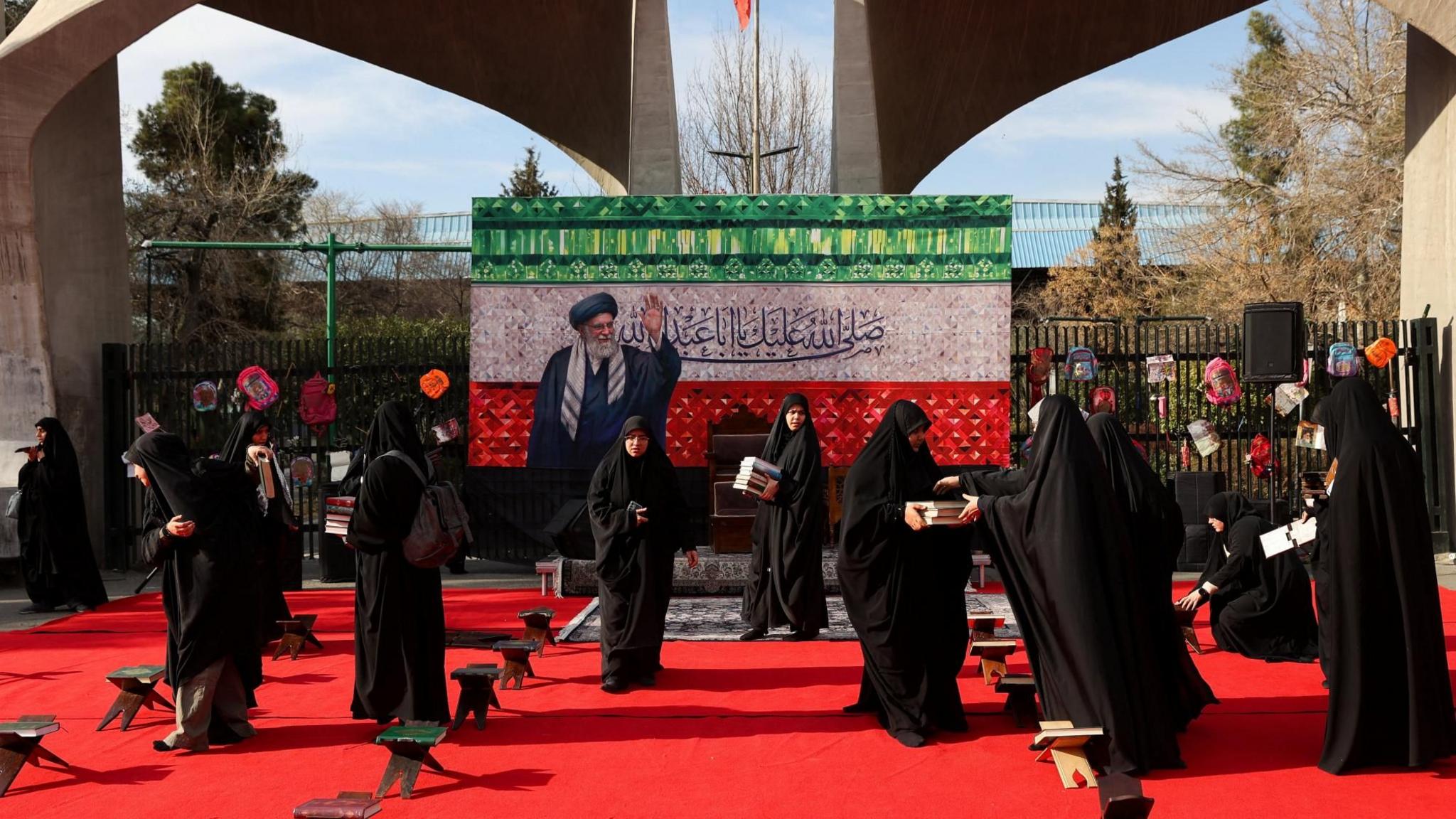
Vast crowds of mourners converged on Tehran's Imam Khomeini Grand Mosalla on Saturday for the opening of the funeral ceremonies. Men beat their chests in traditional Shiite mourning rituals, carrying portraits of the late supreme leader and chanting slogans of defiance against the United States and Israel. The coffins of Khamenei and four family members — killed alongside him in the February 28 airstrike — were displayed on a raised dais, with the supreme leader's black turban placed on top as a symbol of his clerical authority.
Iranian authorities declared Sunday and Monday as public holidays to maximize attendance, with government employees and paramilitary forces encouraged to participate. The scale of the turnout is seen as a critical test for Iran's theocracy, which survived what it considers an existential war but now faces the challenge of managing a leadership transition and post-war reconstruction simultaneously.
India's Strategic Balancing Act
India's decision to send an official delegation to the funeral reflects its long-standing strategic ties with Iran, including the Chabahar port project and energy cooperation, even as New Delhi deepens its defence and technology partnership with the United States under the Initiative on Critical and Emerging Technologies (iCET). Pakistan, which played a crucial mediator role in the US-Iran ceasefire and subsequent peace talks, sent Prime Minister Shehbaz Sharif and Army Chief Field Marshal Asim Munir to the funeral.
For India, the funeral attendance serves multiple diplomatic purposes: it maintains lines of communication with Tehran at a moment of leadership transition, signals non-alignment in the US-Iran confrontation, and ensures New Delhi has a seat at the table as the post-war Middle East order takes shape.
The Week-Long Funeral Itinerary
The funeral ceremonies follow an elaborate multi-city itinerary designed to project the Islamic Republic's reach across Iran and the broader Shia world. Khamenei's body will remain in Tehran for three days of public mourning at the Grand Mosalla. On Tuesday, the coffin will be transferred to the clerical city of Qom, the centre of Shia theological learning in Iran. From there, it will travel to Najaf and Karbala in neighbouring Iraq — sites of immense religious significance for Shia Muslims worldwide. The final burial will take place on Thursday in Mashhad, Khamenei's northeastern home city, home to the shrine of Imam Reza, the eighth Shia imam and Iran's holiest pilgrim site.
Post-War Iran at a Crossroads
The funeral comes at a pivotal moment for Iran. The country emerged from the five-month war with its clerical establishment intact but facing enormous reconstruction costs, internal political fissures, and the challenge of normalising relations with the United States under the 60-day peace framework. Supreme Leader Mojtaba Khamenei, Ali Khamenei's son who was elected by the Assembly of Experts in March, now presides over a regime that must balance the revolutionary faction's demand for revenge against the pragmatic need to rebuild.
Iran's leaders have used the funeral to project continuity and strength. The official slogan for the ceremonies — "We must rise" — was accompanied by imagery of Khamenei's clenched fist on red and black backgrounds, signalling that the Islamic Republic's core ideology remains unchanged even as it negotiates with its former adversaries.
FAQ
When did Ayatollah Ali Khamenei die? Khamenei was killed on February 28, 2026, in the first wave of US-Israeli airstrikes that began the Iran war.
Why was the funeral delayed for over four months? The funeral was postponed because the war made large public gatherings impossible. A ceasefire in June 2026 allowed the ceremonies to proceed.
Which countries sent delegations to Khamenei's funeral? India, Pakistan, Russia, China, and several Central Asian and Arab nations sent official delegations.
Where will Khamenei be buried? He will be buried in Mashhad, his hometown in northeastern Iran, at the shrine of Imam Reza on July 9.
Sources
Sources: Al Jazeera, Times Now, CNN, NBC News, Channel News Asia