India has been elected to the vice presidency of the Financial Action Task Force (FATF) for the first time, with senior Indian Administrative Service officer Vivek Aggarwal appointed to the position for the July 2026-June 2027 term. The appointment marks a historic milestone in India's engagement with the global financial security architecture and reinforces New Delhi's growing influence in setting international standards for combating money laundering and terrorist financing.
The Appointment and Its Significance
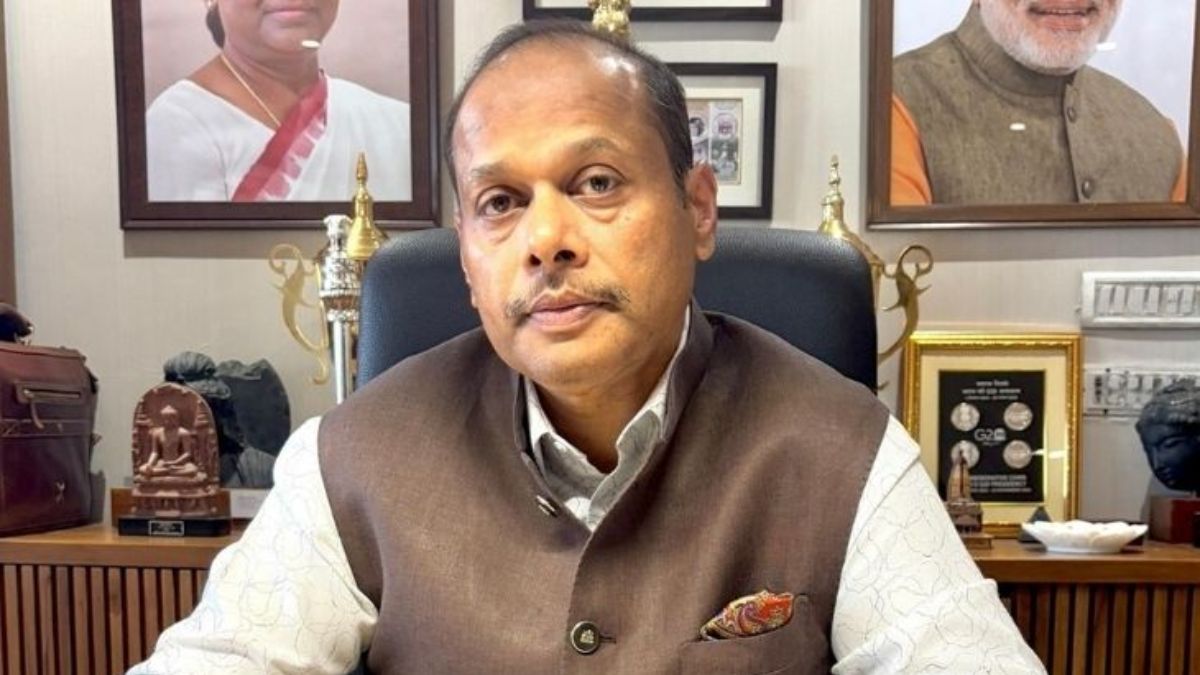
Vivek Aggarwal, a 1994-batch IAS officer of the Madhya Pradesh cadre currently serving as Union Culture Secretary, was elected by the FATF Plenary at the conclusion of its meeting in Paris from June 17-19, where delegates from more than 200 jurisdictions and observer bodies deliberated on emerging threats to global financial integrity. He will succeed UK national Giles Thomson, who has held the position since July 2025. Aggarwal brings extensive experience to the role, having previously served as the Head of India's FATF delegation, as Director of the Financial Intelligence Unit-India (FIU-IND), and as Additional Secretary in the Union Finance Ministry during India's last mutual evaluation report published in 2024. "I am deeply honoured to serve, and look forward to working with the FATF Global Network to keep the international financial system safe, inclusive and resilient," Aggarwal said in a statement.
Why the FATF Vice Presidency Matters for India
The FATF is the global standard-setting body for combating money laundering, terrorist financing, and proliferation financing. India has been a member since 2010, but this is the first time it has secured a leadership position within the organisation. The vice presidency gives India a stronger voice in shaping global norms on financial transparency, illicit fund flows, and counter-terror financing at a time when digital payments, crypto assets, and cross-border financial crime are increasingly under scrutiny. The position becomes particularly significant as India assumes the FATF vice presidency concurrently with its G20 presidency achievements and its growing role in the BRICS financial framework. The appointment also signals international recognition of India's robust anti-money laundering and counter-terrorist financing (AML/CFT) framework, which the FATF lauded in its 2024 mutual evaluation report as "achieving good results."
Implications for Cryptocurrency Regulation and Digital Finance
Aggarwal's term will be pivotal as the FATF finalises its updated guidance on virtual assets and virtual asset service providers (VASPs), commonly known as cryptocurrency exchanges. The "travel rule" — requiring VASPs to share customer information for transactions above a threshold — remains a contentious issue, with many jurisdictions still struggling to implement it effectively. India, which has implemented one of the world's most comprehensive cryptocurrency regulatory frameworks through its updated AML guidelines, is well-positioned to influence global standards in this area. The appointment also comes as the FATF increases its focus on emerging threats including AI-enabled financial crimes, decentralized finance (DeFi) platforms, and the misuse of stablecoins for sanctions evasion. Indian expertise in digital public infrastructure — including the Unified Payments Interface (UPI) and Aadhaar — could provide valuable models for the FATF's work on financial inclusion and identity verification standards.
India's Anti-Money Laundering Record
India's ascent to the FATF vice presidency follows years of significant upgrades to its domestic AML/CFT framework. The Enforcement Directorate has achieved a high conviction rate in money laundering cases, the Financial Intelligence Unit has enhanced its suspicious transaction reporting (STR) analysis capabilities, and the government has strengthened the legal framework through amendments to the Prevention of Money Laundering Act (PMLA). The FATF's 2024 mutual evaluation report particularly praised India's risk-based approach, its effective use of financial intelligence, and its international cooperation in cross-border investigations. However, challenges remain — India continues to face scrutiny over the pace of prosecution in certain high-profile cases and the need for greater specialisation in investigating cyber-enabled financial crimes. Aggarwal's leadership at the FATF is expected to help India benchmark its domestic framework against the highest international standards while also bringing Indian perspectives on development financing and financial inclusion to the global table.
For related Voxlogue context, read China-Taiwan Coast Guard Standoff at Pratas Islands Marks Second Clash in a Fortnight — What’s Escalating.