NTPC's Strategic Pivot to Nuclear Energy
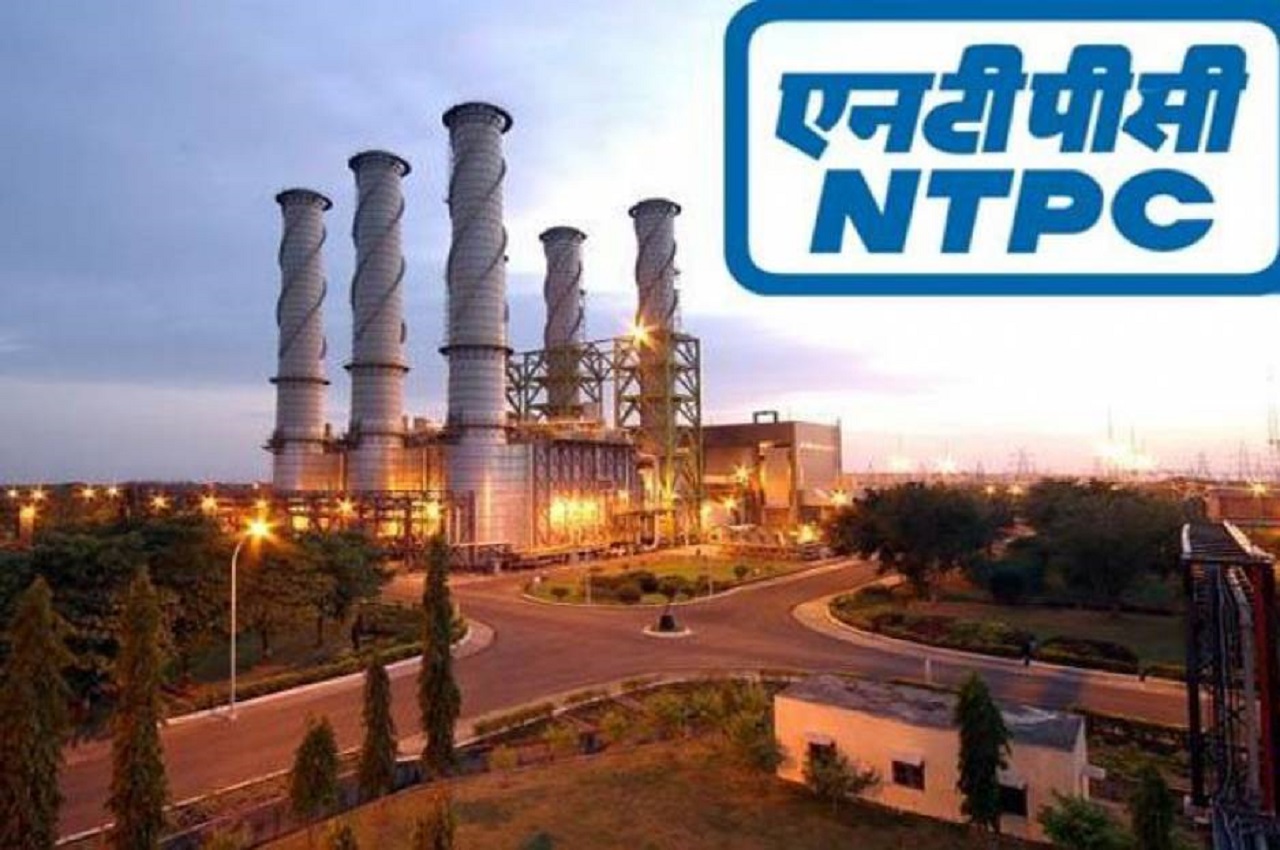
NTPC, India's largest power generation company, is actively exploring technology partnerships with leading global nuclear energy players as the country seeks to expand its clean energy capacity, according to reports. The state-owned powerhouse, traditionally known for its coal-based thermal power plants, is positioning itself to play a major role in India's nuclear energy expansion plans.
The move represents a significant strategic shift for NTPC, which has been diversifying its energy portfolio in response to India's ambitious clean energy targets. The company already has substantial renewable energy capacity in solar and wind, but nuclear power represents a new frontier for the thermal power giant.
Why NTPC Is Moving Into Nuclear Power
India has set ambitious targets to increase its nuclear power capacity from the current approximately 7.5 GW to 22.5 GW by 2032. Achieving this target requires significant investment and technological expertise. NTPC's entry into the nuclear sector could accelerate this expansion by bringing the company's massive project execution capabilities and financial heft to bear on nuclear projects.
Nuclear power offers several advantages for India's energy mix: it provides reliable baseload power with zero carbon emissions, unlike solar and wind which are intermittent. Nuclear plants also have long operational lives of 60 to 80 years, making them attractive long-term investments for power generation companies.
Potential Technology Partners and Reactor Technologies
NTPC is reportedly in discussions with multiple global nuclear technology providers, including Westinghouse Electric Company (US), EDF (France), Rosatom (Russia), and KHNP (South Korea). Each offers different reactor technologies at various stages of commercial deployment. India's nuclear cooperation agreements with multiple countries provide the legal framework for these technology partnerships.
India has a unique position in the global nuclear landscape, having developed indigenous Pressurised Heavy Water Reactor (PHWR) technology while also importing Light Water Reactors from international partners. NTPC's entry could involve both indigenous and imported technologies, depending on the specific project requirements and regulatory clearances.
Regulatory and Policy Framework
India's nuclear sector is governed by the Atomic Energy Act, which currently restricts private sector participation in nuclear power generation. However, amendments being considered by the government would allow greater private and public sector undertaking (PSU) participation in nuclear projects. NTPC's nuclear foray would likely be structured as a joint venture with the Nuclear Power Corporation of India (NPCIL), the current monopoly operator.
The Civil Liability for Nuclear Damage Act and its implications for supplier liability have been a significant barrier to international nuclear cooperation in India. However, recent diplomatic efforts have made progress in resolving these issues, with several countries finalising commercial agreements for reactor supply.
India Impact: Energy Security and Clean Power Transition
NTPC's potential entry into nuclear power generation has significant implications for India's energy landscape. For Indian consumers, increased nuclear capacity could provide more stable and affordable electricity, reducing dependence on volatile coal prices and seasonal variations in renewable generation. For the Indian economy, nuclear power offers energy security benefits by diversifying the energy mix and reducing import dependence.
The move also positions NTPC for long-term growth as the global energy transition accelerates. While NTPC's thermal assets will continue to play a crucial role in India's energy security for decades, the company's diversification into nuclear and renewables ensures its relevance in a low-carbon future.
Sources
Sources: Indian Express, The Hindu BusinessLine, Moneycontrol, PTI, NTPC Annual Report 2025-26