Surprising Discovery About Brain Development
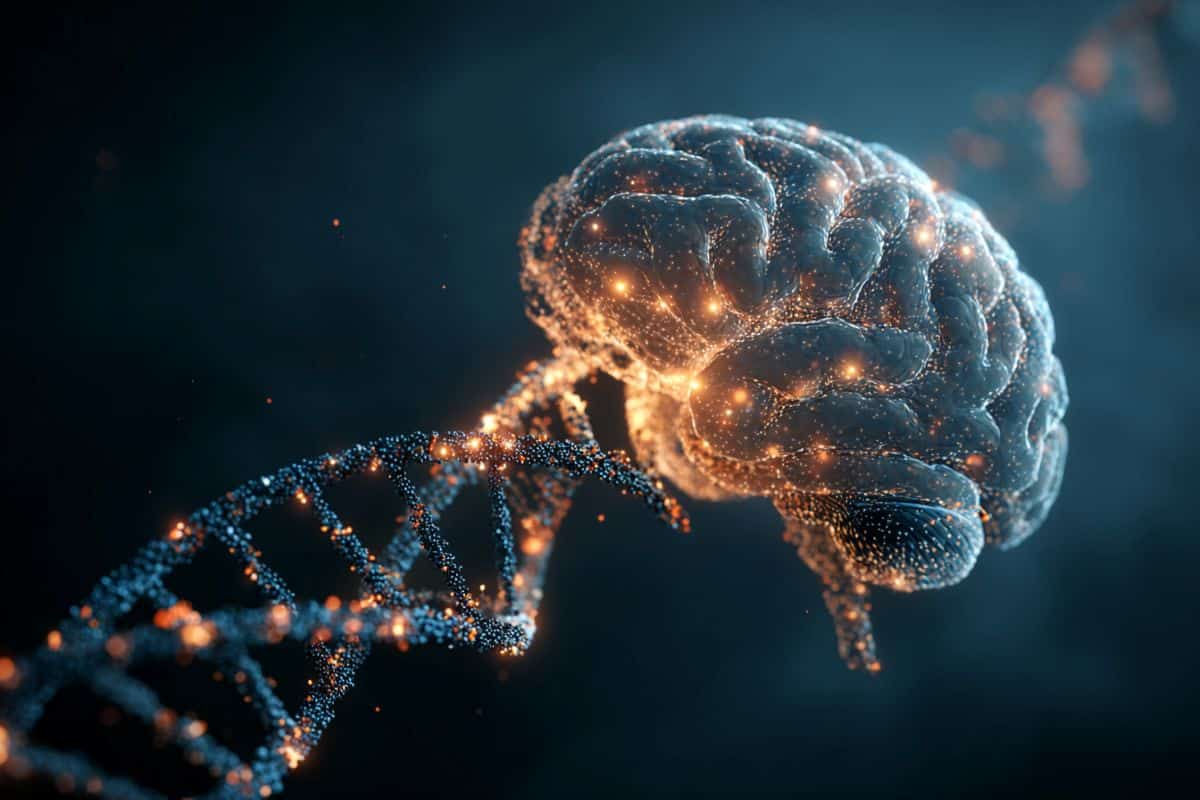
Scientists have made a startling discovery about how the brain develops: newborn neurons must deliberately break their own DNA to squeeze through tight spaces as they migrate to their final destinations. The finding, published in a leading scientific journal, overturns the long-held assumption that DNA breaks in the brain are always harmful and suggests that controlled DNA damage is a normal part of brain development.
Researchers studying how neurons navigate through the dense tissue of the developing brain discovered that as these cells push through extremely narrow passages, their DNA sustains breaks that are essential for allowing the cells to deform and move. Without these breaks, the neurons would be too rigid to complete their journey.
The Journey of Developing Neurons
During brain development, newborn neurons must travel from their birthplace to their final positions, often covering considerable distances through densely packed brain tissue. This migration is critical for establishing the brain's intricate circuitry. The physical challenge is immense — neurons must squeeze through spaces smaller than their own nuclei, the largest and stiffest component of the cell.
The research team, using advanced imaging techniques and genetic tools, observed that neurons undergoing migration showed elevated levels of DNA double-strand breaks. Crucially, these breaks were temporary and were rapidly repaired once the cells reached their destinations. The study suggests this process is tightly regulated and represents a previously unknown mechanism of neuronal migration.
How DNA Breaks Enable Neural Migration
The mechanism works by temporarily relaxing the structural integrity of the cell's nucleus. When DNA strands break, the nucleus becomes more deformable, allowing it to pass through tight constrictions. The research team identified specific enzymes involved in creating these controlled breaks and the repair mechanisms that seal them once migration is complete.
Blocking the DNA breakage process in laboratory experiments prevented neurons from migrating properly, leading to abnormal brain development. Conversely, when the repair process was defective, neurons accumulated unrepaired damage, triggering cell death. This delicate balance between controlled breakage and timely repair appears to be critical for proper brain formation.
Implications for Understanding Neurological Disorders
The discovery has significant implications for understanding neurodevelopmental disorders. Conditions such as microcephaly, lissencephaly (smooth brain), and certain forms of intellectual disability are associated with defects in neuronal migration. The finding suggests that some of these disorders may be linked to problems with the DNA breakage and repair mechanism rather than the migration process itself.
Furthermore, the study may provide insights into neurodegenerative diseases. If the DNA repair mechanisms that normally fix these developmental breaks become impaired later in life, it could contribute to the accumulation of DNA damage seen in ageing brains and conditions such as Alzheimer's and Parkinson's disease.
India Impact: Relevance for Neurological Research
India has a growing neuroscience research community, with institutions such as the National Brain Research Centre (NBRC) in Manesar and the Centre for Brain Research in Bangalore conducting cutting-edge research on brain development and neurological disorders. This discovery opens new avenues for collaborative research between Indian and international laboratories.
For Indian patients and families affected by neurodevelopmental disorders, this research offers hope for better understanding of the underlying mechanisms. India has a high burden of neurological conditions, and fundamental discoveries like this one could eventually lead to improved diagnostic and therapeutic approaches.
Sources
Sources: ScienceDaily, Nature Neuroscience, Live Science, National Brain Research Centre, Cell Press