Trump Declares Iran Nuclear Pledge

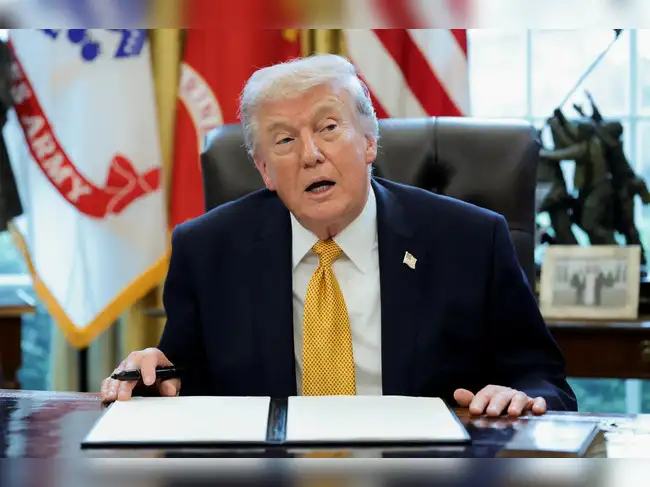
US President Donald Trump declared on Tuesday that Iran has agreed to never pursue a nuclear weapon, marking a potential breakthrough in one of the world most volatile geopolitical standoffs. "Iran has agreed to never have a Nuclear Weapon!" Trump posted on Truth Social, the strongest official statement yet on the status of negotiations between Washington and Tehran.
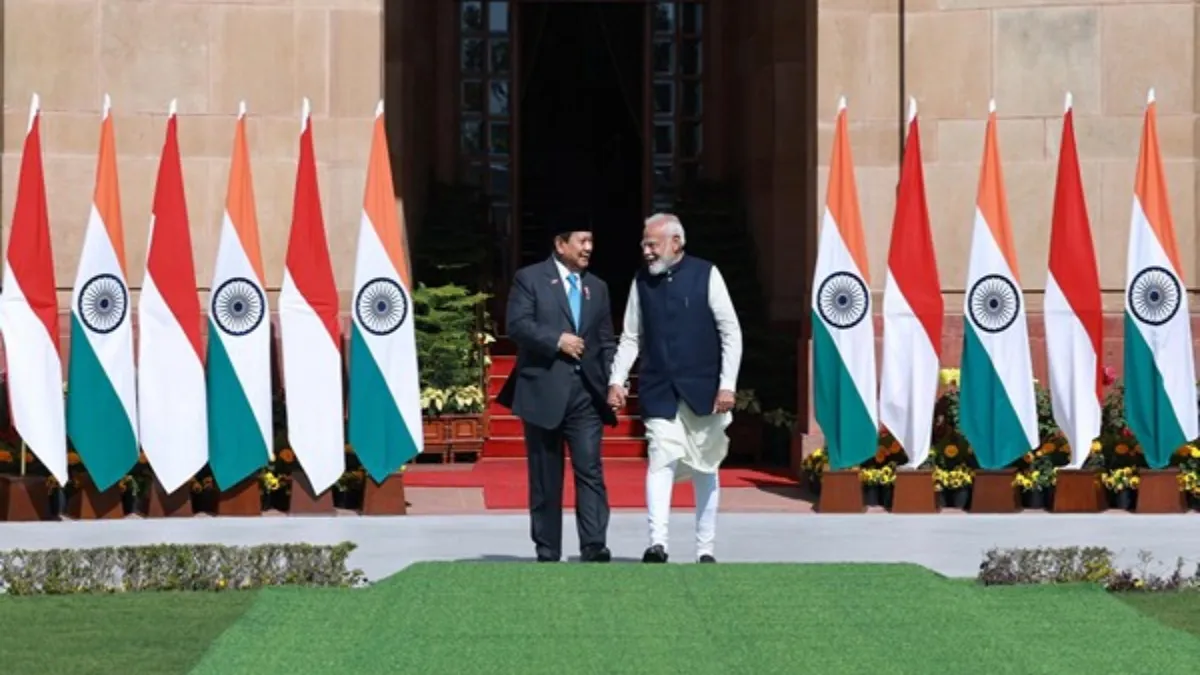
The declaration comes amid a flurry of diplomatic activity at the G7 Summit in France, where Trump also held bilateral talks with Prime Minister Modi and other world leaders. The apparent progress on the Iran front has already begun to ease oil market tensions, with crude prices retreating from multi-month highs.
$300 Million Payment Allegation Sparks Denial
Trump also forcefully pushed back against reports that the United States is paying Iran $300 million as part of the deal framework, calling the claim "Fake News, put out by the Dumocrats!!!" The payment allegation, which surfaced in multiple media outlets, suggested that financial compensation was part of the American concessions in exchange for Iran nuclear commitments.
Details of the emerging agreement remain sparse, and no official text has been released by either government. However, European diplomats at the G7 have indicated that the deal framework includes enhanced IAEA inspections, gradual sanctions relief tied to verifiable compliance milestones, and regional security guarantees that involve Saudi Arabia and the UAE.
What Changed Since the April Drone Shootdown
The apparent diplomatic progress represents a dramatic reversal from April 2026, when the United States shot down Iranian drones over the Middle East amid spiraling tensions. That confrontation had brought the two nations to the brink of direct military conflict before backchannel negotiations through Oman created space for de-escalation.
Since then, a combination of economic pressure from sustained sanctions, diplomatic engagement by Gulf mediators, and the personal involvement of French President Macron — who is hosting the G7 — appears to have shifted Tehran calculus. The International Atomic Energy Agency has reportedly been granted access to sites that were previously off-limits under the collapsed 2015 JCPOA framework.
Market and Regional Impact
Oil markets have responded cautiously to the developments. Brent crude fell 2.3% in early trading on Tuesday, reflecting hopes that a normalization of US-Iran relations could eventually bring Iranian crude back to global markets. For India — which imports over 85% of its crude oil — a durable peace deal would significantly lower the energy import bill and reduce inflationary pressure that has complicated the RBI monetary policy stance.
Regional analysts caution that any deal faces significant hurdles, including opposition from hardliners in both Washington and Tehran, Israeli security concerns about Iranian regional influence, and the complex task of unwinding years of sanctions architecture. Previous nuclear deals have collapsed under similar pressures, and the gap between a presidential tweet and a signed treaty remains wide.