Starmer Steps Down After Burnham Landslide
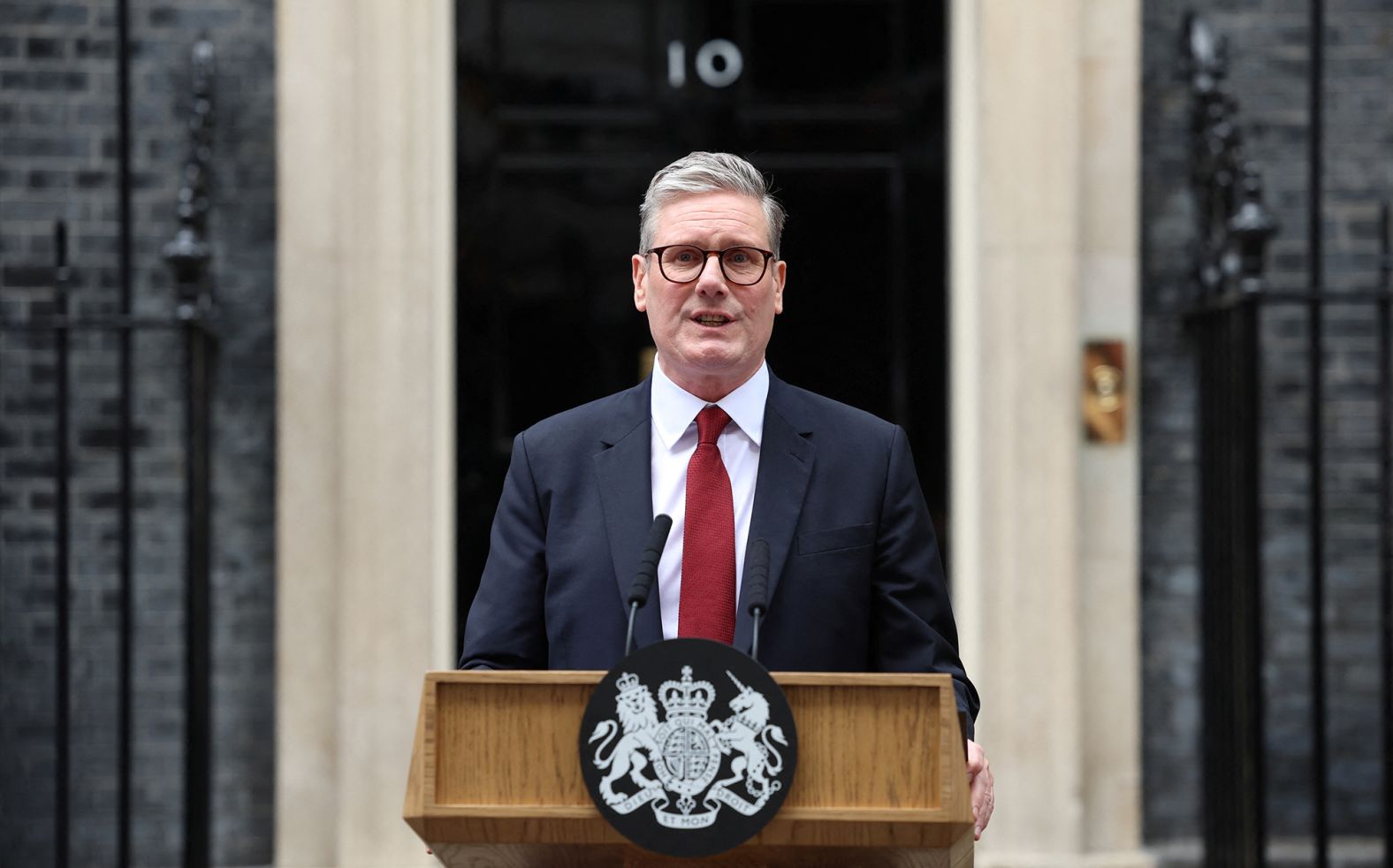
Keir Starmer announced his resignation as UK Prime Minister outside 10 Downing Street on Monday, June 22, 2026, after Andy Burnham's decisive victory in a Labour special election triggered an internal party revolt. In a brief statement shortly after 9:30 AM BST, Starmer said he would remain in post until the leadership contest concludes to ensure an orderly handover — but the political fallout has already reshaped Britain's landscape.
Burnham's victory — winning by a margin of nearly 18 percentage points in a historically safe Labour seat — was widely interpreted as a referendum on Starmer's leadership. Within hours, senior Labour MPs publicly called for a change, and the prime minister concluded he could no longer govern effectively. Britain now prepares for its seventh prime minister in a decade, a period of unprecedented political instability since the 2016 Brexit referendum.
What Led to the Collapse
Starmer's premiership, which began with a landslide general election victory in July 2024, has been dogged by persistently low approval ratings, internal party divisions, and a stagnant economy. Despite early successes in resetting UK-EU relations and stabilising public finances, the government struggled to deliver on key domestic pledges including NHS waiting list reductions, housing targets, and immigration control.
The immediate trigger was Burnham's shock by-election victory in a constituency that should have been a safe Labour hold. Burnham, the Mayor of Greater Manchester, ran on a platform criticising Starmer's centre-left approach as too timid, advocating instead for more aggressive public investment, nationalisation of key industries, and a tougher stance on austerity-era cuts. His campaign tapped into deep frustration among traditional Labour voters who felt abandoned by Starmer's pragmatic agenda.
Britain's Seventh PM in a Decade
Starmer's resignation marks yet another chapter in Britain's revolving-door premiership. Since the 2016 Brexit referendum, the UK has seen David Cameron (until 2016), Theresa May (2016-2019), Boris Johnson (2019-2022), Liz Truss (2022), Rishi Sunak (2022-2024), and now Starmer (2024-2026). The rapid turnover has drawn criticism from allies and adversaries alike, raising questions about the stability of Westminster's political system.
The Conservative Party, still reeling from its 2024 electoral defeat, has watched Labour's implosion with cautious interest. Recent polls suggest the Conservatives have narrowed the gap, though no general election is scheduled until 2029. The coming Labour leadership contest — likely to feature Burnham, Angela Rayner, and possibly Rachel Reeves — will determine not just Labour's direction but the UK's policy trajectory for the next three years.
Markets and International Reaction
Financial markets responded with muted volatility. Sterling dipped against the dollar in early trading before stabilising, while gilt yields remained largely unchanged. The FTSE 100 opened flat, suggesting investors are more focused on global macroeconomic conditions — including US Federal Reserve policy and ongoing trade tensions — than domestic political churn.
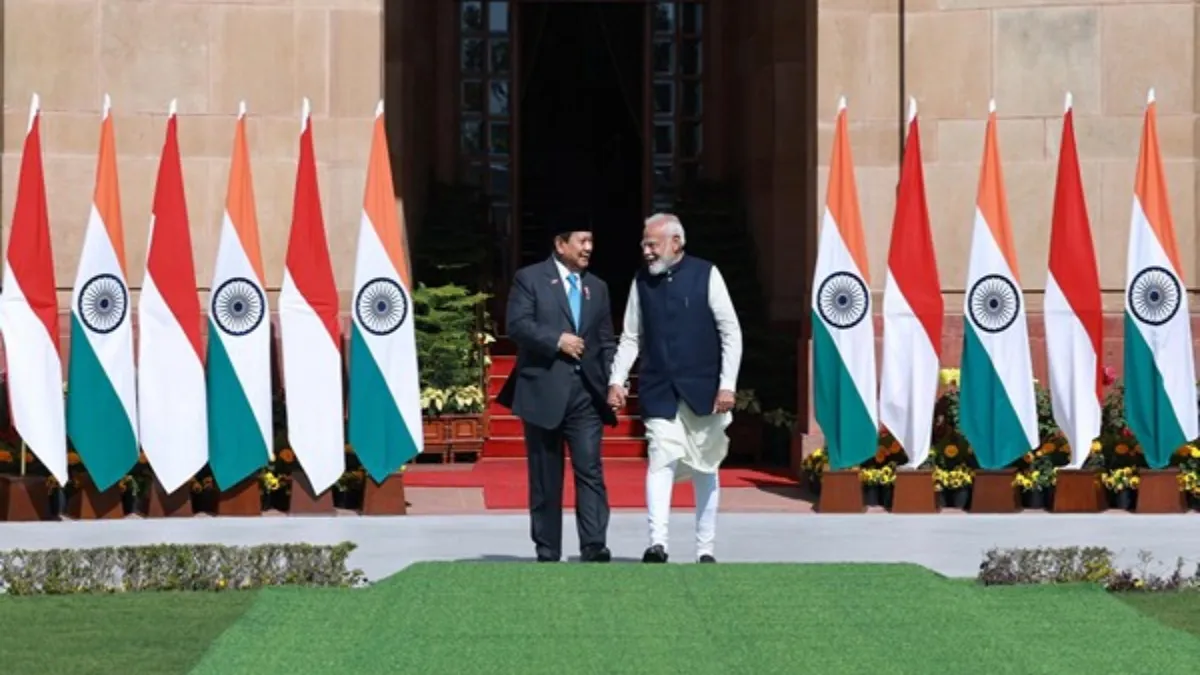
International reaction has been measured. US President Donald Trump, in a brief statement, said he "looked forward to working with whoever leads Britain next." European Commission President Ursula von der Leyen expressed hope that the transition would not disrupt ongoing UK-EU talks. Indian Prime Minister Narendra Modi, who met Starmer at the recent G7 summit, conveyed India's commitment to stable bilateral ties regardless of leadership changes.
What Comes Next
The Labour Party's National Executive Committee is expected to announce the leadership election timeline within days. Candidates require nominations from at least 20% of Labour MPs to stand. A truncated contest — possibly concluding within 90 days — would see Britain's next PM in place by late September 2026.
Until then, Starmer remains as caretaker. But with a deeply divided party, a sceptical electorate, and a challenging economic backdrop, the next prime minister — whether Burnham or another candidate — will inherit a nation craving stability after a decade of political turbulence.
For related Voxlogue context, read UK Prime Minister Keir Starmer Resigns as Andy Burnham Emerges as Likely Successor — Britain's Seventh Leader in a Decade, and George Kurian Resigns as Union Minister After Rajya Sabha Term Expires, President Murmu Accepts Resignation.