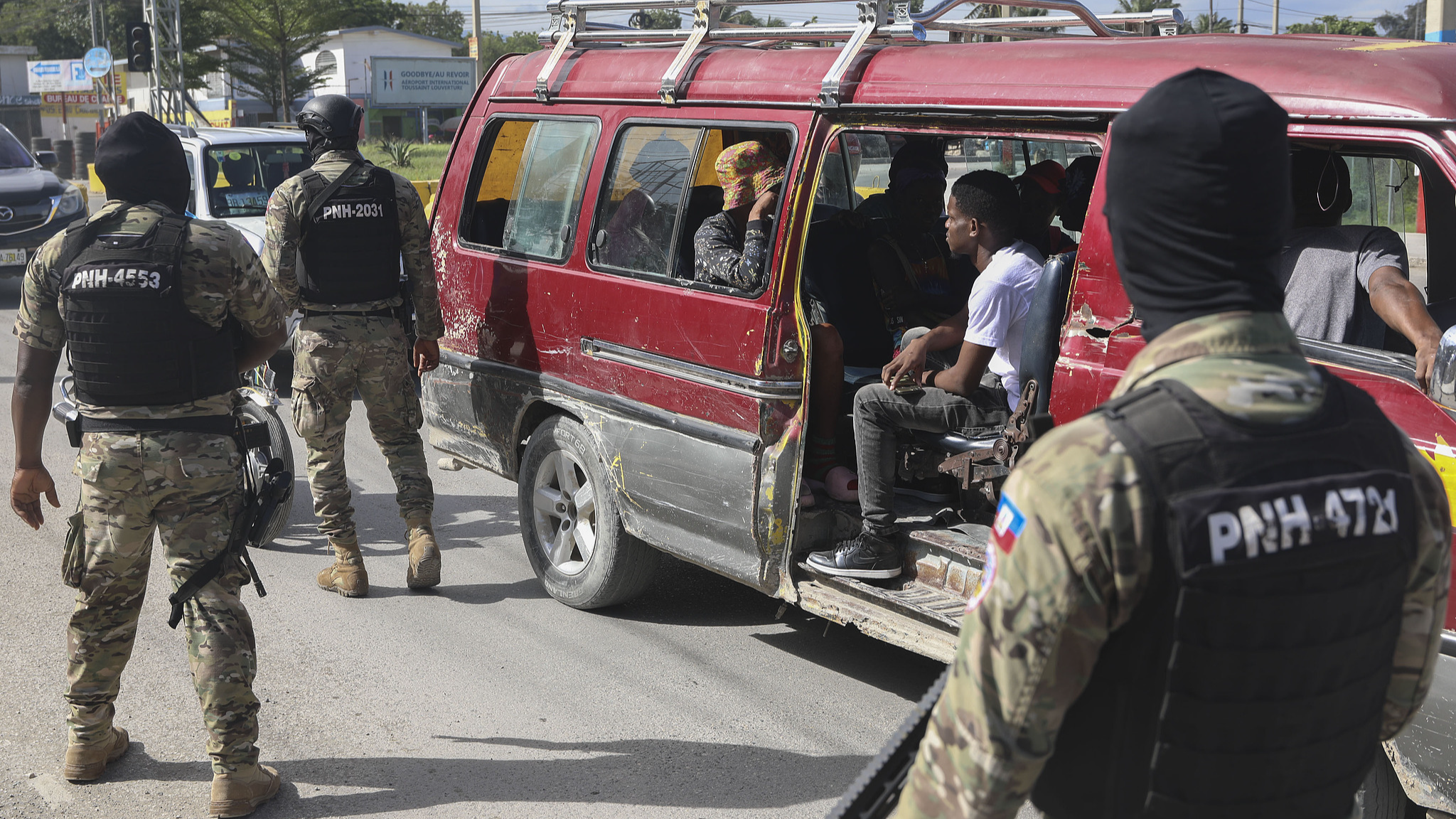
Armed men in Haiti's capital have kidnapped James Boyard, the cabinet director at the defence ministry and inspector general of Haiti's national police — the highest-ranking abduction in the Caribbean nation in recent years and a dramatic escalation in the gang violence that now controls an estimated 70 percent of Port-au-Prince.
Boyard was seized on Thursday, June 11, in the Bourdon neighbourhood — one of the few areas of the capital still considered relatively safe. A person familiar with the case confirmed the kidnapping to the Associated Press on Saturday. Authorities have not publicly commented on efforts to secure his release.
Who is James Boyard?
Boyard is widely regarded as one of Haiti's leading security experts. As cabinet director at the defence ministry, he was tasked with helping rebuild Haiti's armed forces — a military that was disbanded in 1995 and only reactivated in recent years. He also served as inspector general of the Haitian National Police, a role that put him at the centre of efforts to reform an institution widely seen as outmatched by the gangs that now dominate the capital.
"A person of this rank obviously has pretty good security," said Diego Da Rin, an analyst with the International Crisis Group. He told the Associated Press that Boyard's kidnapping was likely planned in great detail and may have depended on the cooperation of someone close to his security detail.
The gang crisis in Port-au-Prince
An estimated 70 percent of Port-au-Prince is controlled by a powerful gang coalition known as Viv Ansanm ("Living Together" in Haitian Creole), which the United States designated as a foreign terrorist organization in May 2025. Gangs have tightened their hold over the capital through a campaign of violence, extortion, and kidnapping that has displaced hundreds of thousands of residents.
Da Rin noted a disturbing trend: kidnappings are increasingly occurring in areas of Port-au-Prince that were once considered safe, with gang members sometimes donning police uniforms and stopping drivers at checkpoints. Gangs are now specifically targeting people with dual citizenship and public servants — suggesting they are demanding higher ransoms and attempting to deter authorities from attacking gang-controlled territories where victims are held.
The humanitarian toll
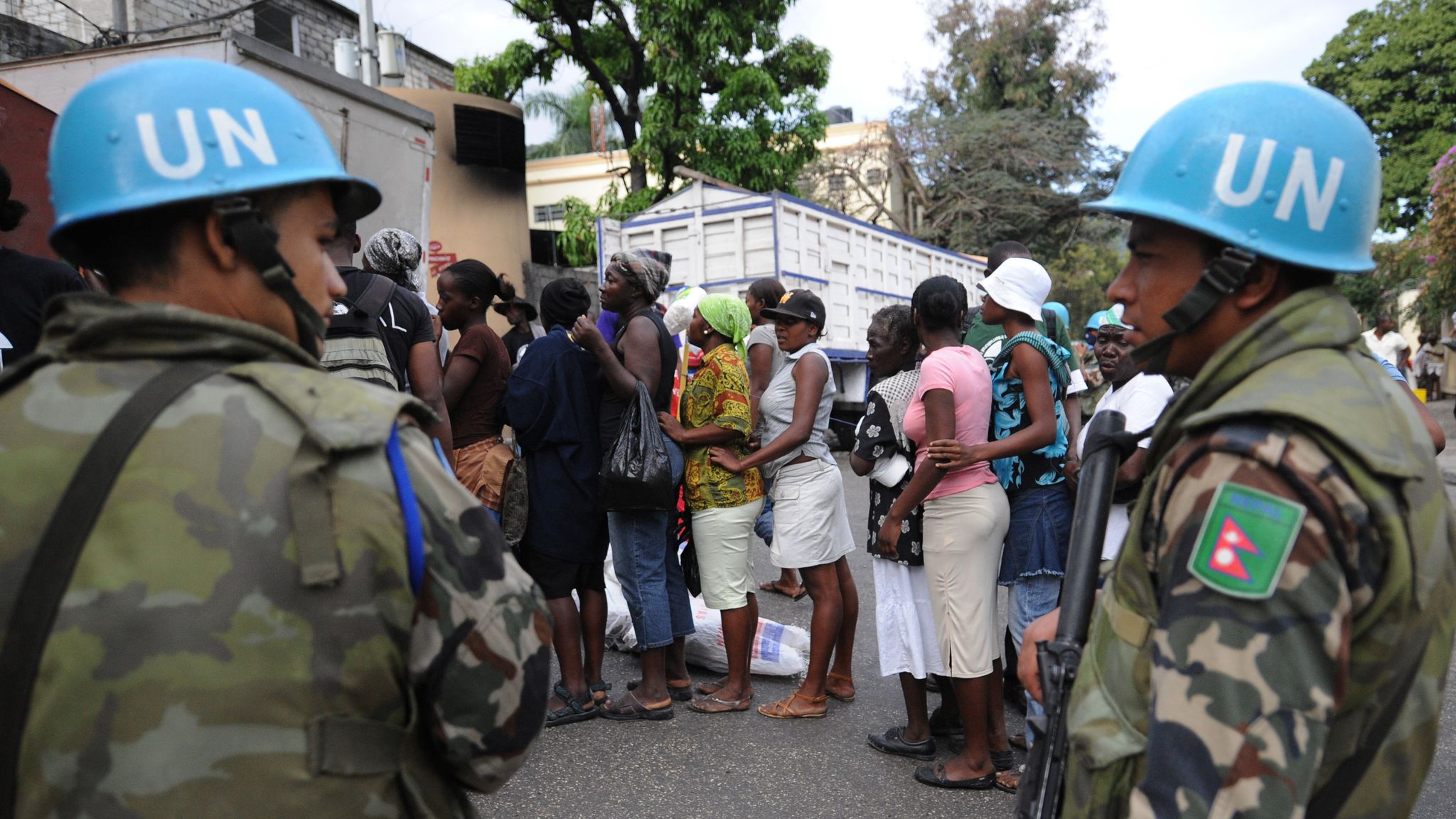
The security collapse has created a deepening humanitarian crisis. The United Nations suspended all flights to Haiti in November 2024 due to rising violence. Access to food, clean water, and medical care has deteriorated sharply. Kidnappings for ransom have become a daily reality for Haitians across social classes, with criminal groups using the ransom income to finance more weapons and expand their territorial control.
International efforts to stabilise Haiti have struggled. A Kenya-led multinational security support mission, authorised by the UN Security Council, has faced funding shortfalls and the sheer scale of the challenge. The US and other nations have imposed sanctions on Haitian gang leaders and political figures accused of fuelling the violence, but these measures have not halted the gangs' expansion.
Why this kidnapping matters
The abduction of a figure as senior as Boyard — the inspector general of the national police and a top defence ministry official — represents a new threshold. It demonstrates that even the most heavily protected officials are not safe, and that the gangs' intelligence-gathering capabilities may be more sophisticated than previously understood.
It also raises urgent questions about the viability of the Kenyan-led security mission and the broader international response. If a senior security official can be seized in one of Port-au-Prince's safer neighbourhoods, what hope is there for ordinary Haitians who lack armed security details?
Sources: Associated Press, NBC News, Australian Associated Press, International Crisis Group, Reuters
See also: Trump Says Iran Peace Deal Signed Today — Strait of Hormuz t · Ukraine Front Line June 2026: How Kyiv Halted Russia Spring
Sources
- Reuters World — reuters.com/world
- Associated Press — apnews.com
- Voxlogue editorial research