Breaking: Deal Signed Today
US President Donald Trump announced on Saturday, June 14, 2026, that the US-Iran peace agreement will be signed today, ending a four-month military confrontation that closed the Strait of Hormuz. "The deal is scheduled to get signed tomorrow, and immediately after it is signed, the Hormuz Strait is open to all," Trump wrote in a social media post.
The announcement follows weeks of stop-start negotiations mediated by Pakistan and Oman, punctuated by military escalations including US strikes on Iranian air defenses (June 9) and CENTCOM downing Iranian attack drones targeting commercial ships (June 13).
What the Deal Contains
| Provision | Detail |
|---|---|
| Hormuz reopening | Iran will clear mines within 30 days; all nations ships can transit freely |
| Ceasefire | Immediate cessation of hostilities |
| Sanctions relief | US to release $24 billion in frozen Iranian assets |
| Uranium enrichment | Temporary moratorium above civilian levels |
| Reconstruction | US considering redirecting assets to Gulf states for war damage repair |
Oil Markets React
Brent crude, which had spiked to $95/bbl during the crisis, fell below $90 on the peace deal announcement. The prospect of 20 million barrels per day of oil and one-third of global seaborne LNG returning to normal trade routes triggered the sharpest single-day oil price drop since the crisis began.
| Oil Metric | Pre-Deal (Jun 13) | Post-Announcement (Jun 14) |
|---|---|---|
| Brent Crude | ~$95/bbl | Below $90/bbl |
| WTI Crude | ~$91/bbl | ~$85/bbl |
| Vessels stranded | 600+ (325 tankers) | Expected to clear |
What It Means for India
Oil import bill relief: India sources ~60% of its crude through Hormuz. At $85-90/bbl, India could save $15-20 billion annually — equivalent to 0.4% of GDP.
Fuel prices: Domestic petrol and diesel prices rose 7-8% since March. A Hormuz reopening would allow OMCs to consider price reductions.
RBI policy space: The RBI cut the repo rate to 6.6% in April but flagged energy-price uncertainty. With oil declining, the RBI gains room for further rate cuts.
Fertilizer and food: India imports significant urea and DAP through Gulf routes. Domestic fertilizer prices rose 15-20% during the crisis. Normalization would stabilize input costs ahead of kharif sowing.
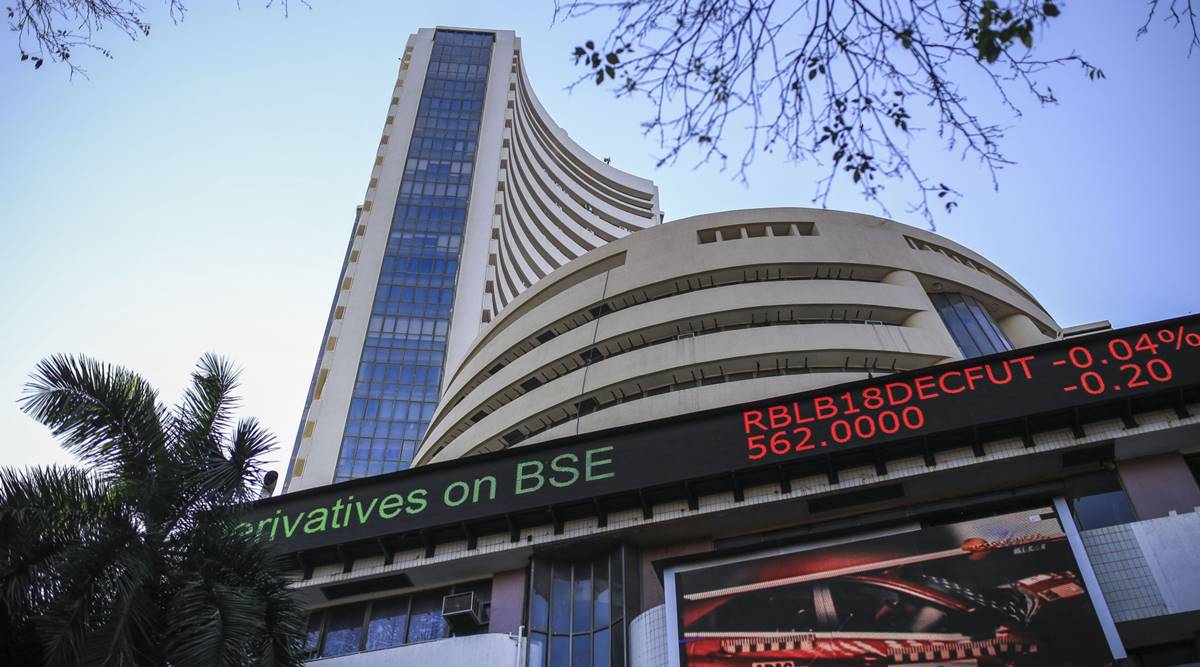
Stock market boost: The Sensex surged ~1,700 points on June 12 on initial peace signals. FPIs who pulled Rs. 2.3 lakh crore from Indian equities in 2026 may reconsider.
Strategic lessons: The crisis accelerated India crude diversification to Russia, Iraq, Saudi Arabia, and the US. The government is fast-tracking strategic petroleum reserve expansion.
What Could Still Go Wrong
Diplomats caution the deal remains fragile. The 30-day mine-clearing window is critical — any incident could reignite tensions. Underlying issues — Iran nuclear program, regional proxy forces, US sanctions architecture — remain unresolved.
Sources: The Hindu, NBC News, Reuters, The Guardian, CNBC, NYT, The Economic Times
Related: US Downs Iranian Drones Over Hormuz (June 13) | India GDP 7.8% But RBI Cut Forecast
See also: Haiti's Top Security Official James Boyard Kidnapped in Port · Ukraine Front Line June 2026: How Kyiv Halted Russia Spring
Sources
- Reuters World — reuters.com/world
- Associated Press — apnews.com
- Voxlogue editorial research