UN World Economic Situation and Prospects 2026
The United Nations World Economic Situation and Prospects (WESP) report for 2026, released in April with mid-year updates, projects India's economy to grow at 6.6% in 2026 and maintain the same pace at 6.6% in 2027. This makes India the fastest-growing major economy in the world, outpacing China's projected 4.5% and the United States' 2.1% for 2026. The report emphasizes that India's growth is driven by resilient consumption demand, substantial public investment in infrastructure, and a thriving digital services export sector.
However, the report also flags significant downside risks: India's exports to the United States declined by 25% following the introduction of 50% tariffs in August 2025; elevated oil prices tied to the Strait of Hormuz crisis are adding to import costs; and foreign direct investment inflows to developing Asia declined by 2% in 2025 even as global flows increased by 14%.
India's GDP in Numbers
| Indicator | Value | Source |
|---|---|---|
| FY26 real GDP growth | 7.6% | RBI/MoSPI |
| 2026 calendar year projection | 6.6% | UN WESP / Goldman Sachs |
| 2027 projection | 6.6-6.8% | UN / Goldman Sachs |
| Current account deficit (Q4 2025) | 2.8% of GDP | RBI |
| CPI inflation (March 2026) | 3.40% | MoSPI |
| Repo rate | 5.25% | RBI (June 2026) |
The Tariff Challenge
The US imposed 50% tariffs on Indian imports in August 2025, a move that initially shocked Indian exporters. However, the impact has been partially mitigated by three factors: the new US-India trade deal negotiated in early 2026, which lowered trade-related uncertainty; the depreciation of the Indian rupee against the US dollar, which made Indian exports more competitive in non-US markets; and the rapid expansion of India's services exports — particularly IT, consulting, and digital services — which are less affected by tariffs. Goldman Sachs Research noted that India's services exports grew at approximately 11% year-on-year in 2025 on continued strong growth in software and business services.
Oil Prices: The Wild Card
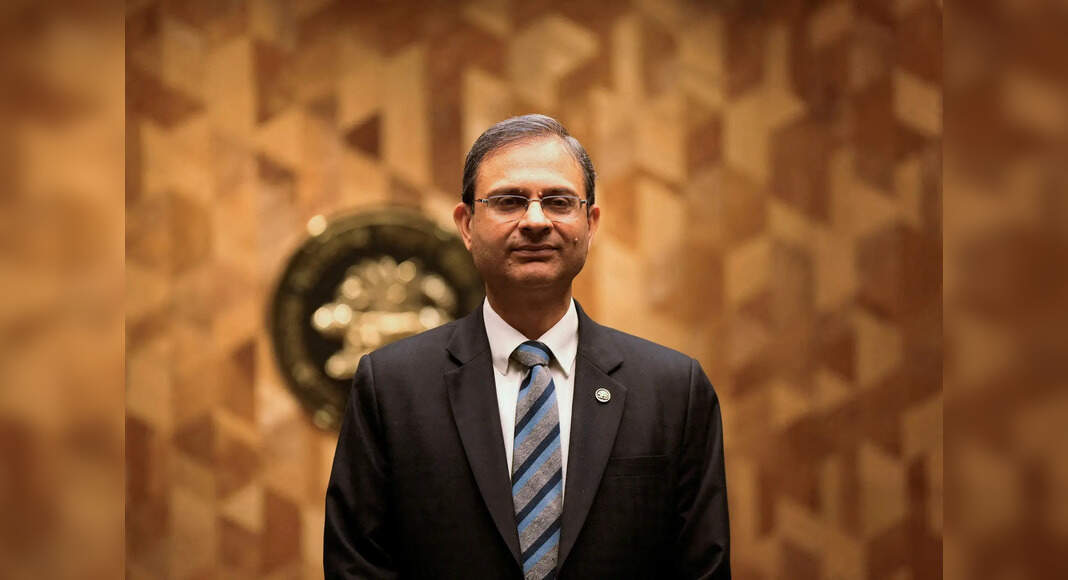
The Strait of Hormuz crisis remains the single biggest risk to India's growth outlook. With crude oil averaging $95/bbl in June 2026 — up from $75/bbl in January — India's import bill has increased sharply. Every $10 increase in oil prices adds approximately $15-18 billion to India's annual import costs. RBI Governor Sanjay Malhotra recently warned that "elevated energy prices coupled with continued supply disruptions are likely to affect economic activity." The UN report projects that a sustained oil price above $110/bbl could shave 0.5-0.8 percentage points off India's growth rate. However, the US-Iran talks in Switzerland offer a potential path to de-escalation and Hormuz reopening.
India Angle — What This Means
For Indian consumers, the 6.6% growth rate translates into continued job creation (though not fast enough to absorb all new entrants), rising tax revenues that fund infrastructure spending, and a growing middle class. The IMF projects India's nominal GDP will cross $4 trillion in 2026, cementing its position as the world's fifth-largest economy behind the US, China, Germany, and Japan. For global investors, India's growth resilience amid global headwinds reinforces its position as a portfolio diversification destination. However, the World Bank's latest India Development Update warns that India needs to create 8-10 million non-farm jobs annually to harness its demographic dividend.
Sources
• United Nations: India to see 6.6% growth in 2026 — UN report
• Business Standard: India economy projected to grow at 6.4-6.6%
• Goldman Sachs: Outlook for India's economy in 2026
• Reuters: RBI monetary policy statement June 2026
Internal Links
• India-Canada FTA fast-tracked after Modi-Carney G7 meeting
• PLI scheme results: Rs 2 lakh crore investment
• US-Iran talks: Implications for oil prices and India