What Happened
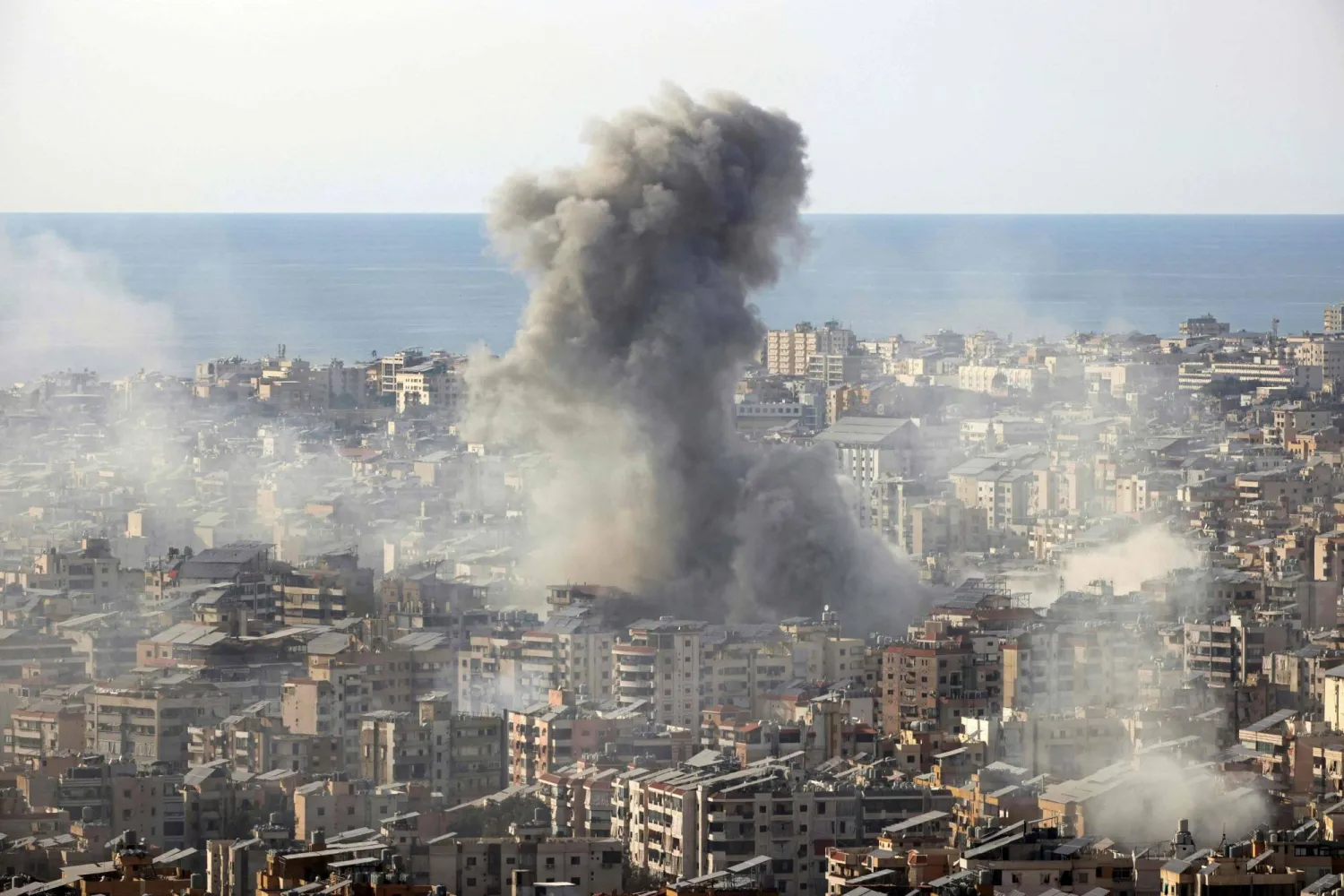
Israel and the Lebanese militant group Hezbollah agreed to a ceasefire on Friday, June 19, following days of intensified cross-border exchanges that had threatened to unravel the broader US-Iran peace framework. A United States official confirmed the truce, which was brokered by US and Qatari mediators in coordination with Iran, took effect immediately on Saturday morning. The agreement came after one of the deadliest days in weeks - Lebanese authorities reported 47 people killed in Israeli airstrikes, while Israel announced the deaths of four of its soldiers.

How the Ceasefire Was Brokered
According to US officials, the ceasefire was negotiated through an unusual channel - directly with Tehran rather than Beirut, recognizing Iran's ability to influence Hezbollah's actions. Marco Rubio and Lebanon's President Joseph Aoun held a call, with Aoun stressing the need for Israeli attacks to cease. The agreement also required Hezbollah to halt all attacks on northern Israel. However, Israeli forces retain full freedom of action in southern Lebanon, according to IDF Spokesman Effie Defrin, who declined to confirm the ceasefire at a press briefing. Critics warn this caveat could lead to future violations, similar to previous agreements that collapsed.
Casualties and Destruction
The escalation that preceded the ceasefire was among the worst in months. Israel's military said it struck more than 80 Hezbollah targets and killed dozens of members of the Iran-backed group. In response, Hezbollah launched barrages of rockets into northern Israel. Even after the truce was announced Friday, Lebanese state media reported Israeli airstrikes in the Jezzine region of southern Lebanon - a claim the IDF denied, stating it had halted all offensive operations by 11:30 AM. Hezbollah political wing spokesman Ibrahim Al-Moussawi said the group would abide by the ceasefire if Israel did the same and reserved the right to respond to violations.

Impact on the US-Iran Peace Deal
The flare-up put the landmark 14-point Islamabad MoU between the US and Iran under significant strain. Talks that were scheduled between the two countries in Switzerland to build on the deal and work toward a lasting settlement were postponed, with no new date announced. Analysts say the Lebanon front remains the most fragile element of the broader accord. The ceasefire, if it holds, removes a major obstacle to the Iran deal's implementation, including the reopening of the Strait of Hormuz and the $300 billion reconstruction plan for Iran. Oil prices, which had already fallen below $90 on the initial peace deal, held steady on the ceasefire news.
India Angle
For India, stability in West Asia is critical. The region supplies over 60% of India's crude oil imports, and any disruption directly impacts domestic fuel prices and inflation. The Israel-Hezbollah ceasefire reduces the risk of a broader regional war that could spike oil prices above $120 per barrel, as happened during the initial Strait of Hormuz crisis. India has also maintained diplomatic ties with both Israel and Iran, and any prolonged conflict forces New Delhi into a delicate balancing act. With 9 million Indian workers employed across the Gulf region, extended hostilities in Lebanon also threatened remittance flows and consular operations. The government in New Delhi welcomed the ceasefire, with the Ministry of External Affairs expressing hope that it leads to lasting peace in the region.
For related Voxlogue context, read US Suspends Iran Oil Sanctions Till August After Switzerland Deal — What It Means for Global Energy, and Netanyahu Rejects Claims of Trump Influence on Israel Policy: 'We Stand for Our Own Interests'.
Sources
- Reuters: Israel and Hezbollah agree ceasefire
- BBC: Israel and Lebanon agree to implement ceasefire
- Jakarta Post: Israel, Hezbollah agree ceasefire as US-Iran deal under strain
- Times of Israel: Israel and Hezbollah renew ceasefire after flare-up
- AP: Associated Press coverage