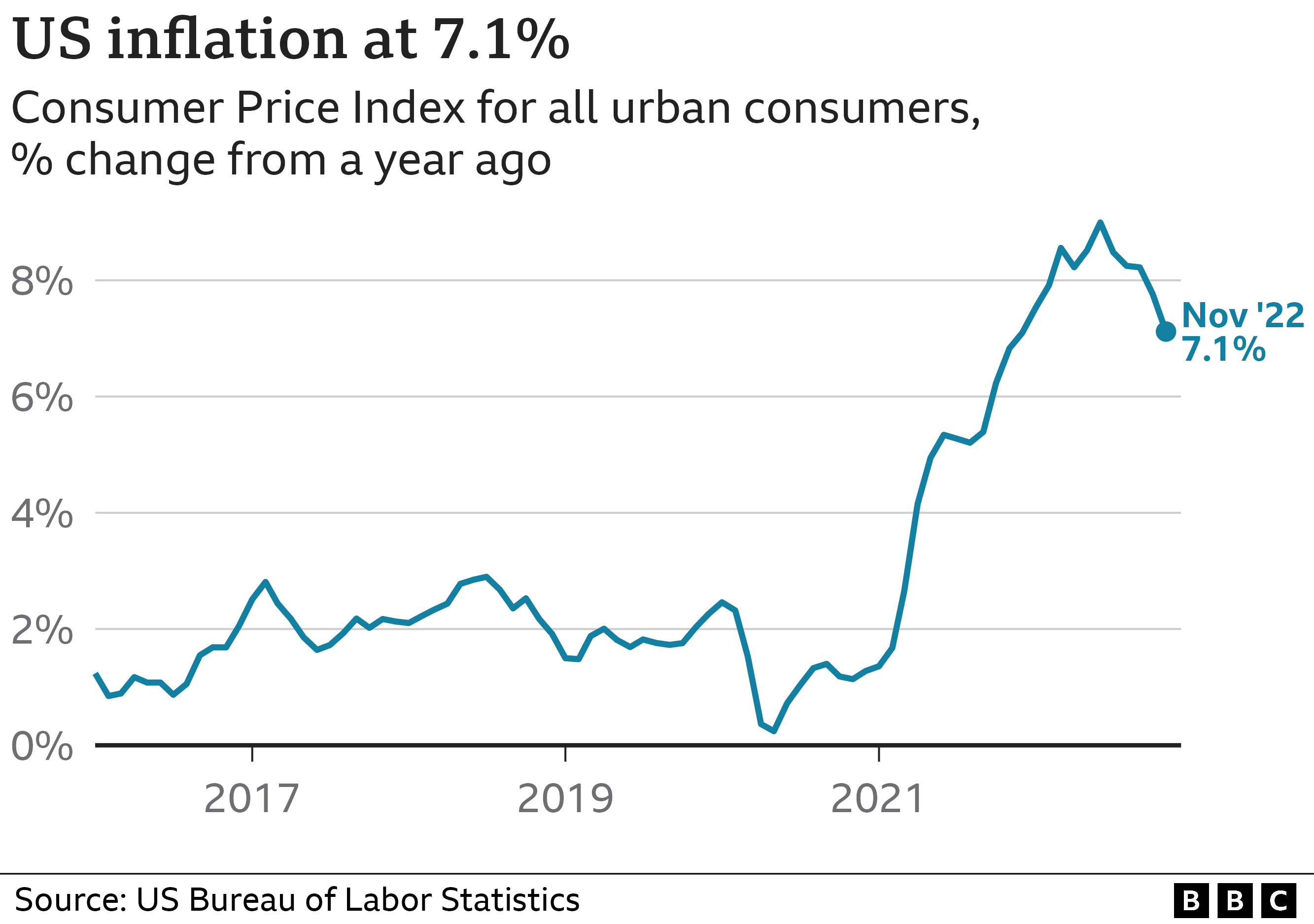
The US consumer price index rose 4.2% year-over-year in May 2026, matching expectations but marking the fastest inflation pace since April 2023, according to data released by the Bureau of Labor Statistics on June 10 and confirmed by the Federal Reserve Bank of Cleveland's nowcasting model.
The report lands at a tense moment for global markets. The Strait of Hormuz remains largely closed to commercial shipping, Brent crude is forecast to average $105 a barrel through June and July, and American consumers are paying an average of $4.50 per gallon at the pump — roughly 50% more than before the Iran conflict escalated.
What is driving US inflation higher
The May CPI print was not a surprise to economists. The Cleveland Fed's real-time nowcast had been projecting 4.2% for weeks. But the composition of the increase is what worries policymakers.
Energy costs are the headline driver. With roughly 20% of the world's oil transiting through the Strait of Hormuz, the effective closure of the waterway has pushed crude prices well above pre-crisis levels. That flows through to gasoline, diesel, jet fuel, and eventually to the price of nearly every physical good that moves by truck, ship, or air.
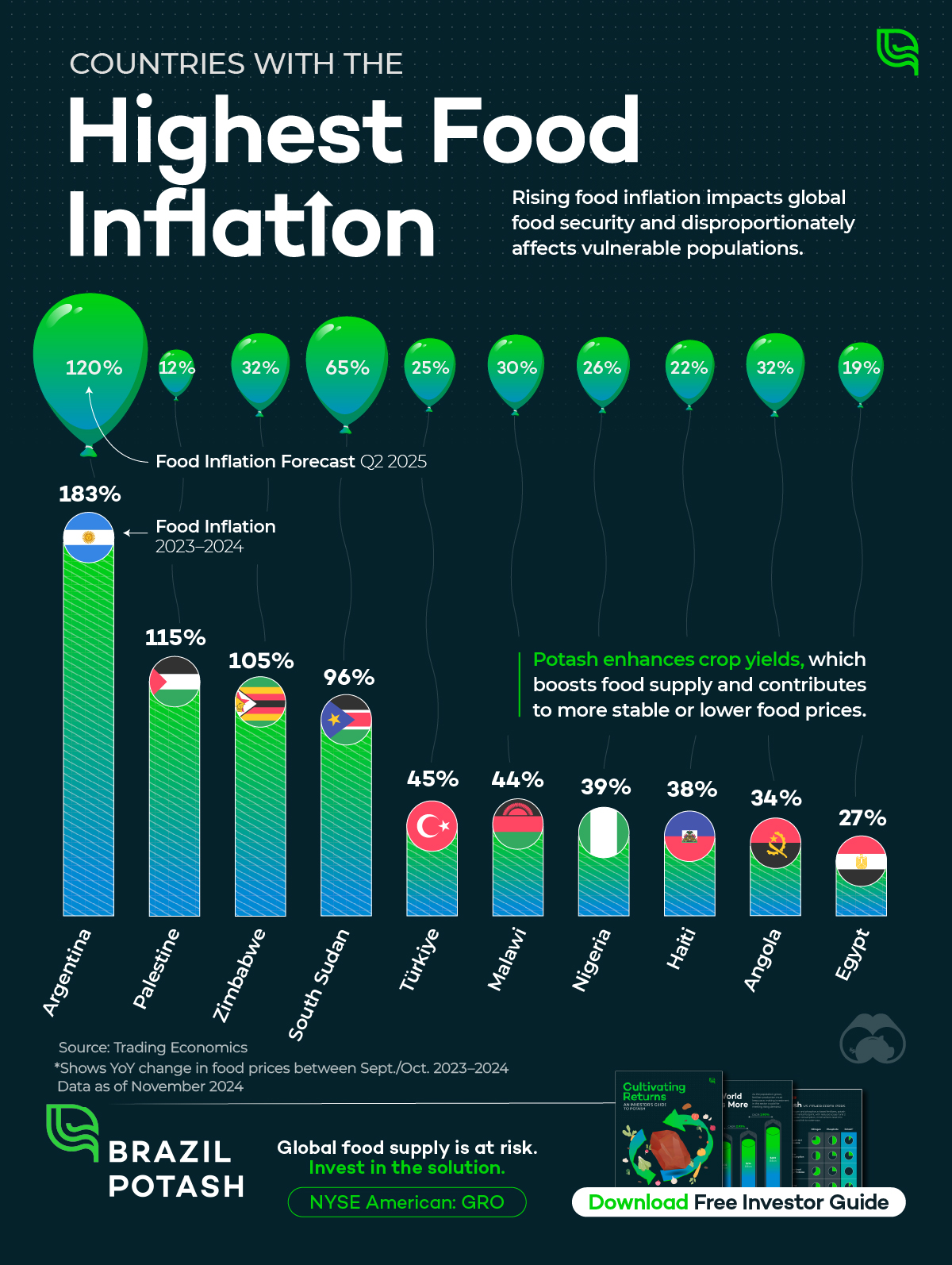
Food inflation is also accelerating. Global food commodity indices have been climbing since March, and US consumers are seeing it at the grocery checkout. Medical care and electricity costs remain stubbornly above 3%, adding to the squeeze on household budgets.
"Americans are getting squeezed financially by inflation that's back at a 3-year high," Heather Long, chief economist at Navy Federal Credit Union, told CNBC. "The frustration for many Americans is that so many of the basics are up in price right now — gas, food, electricity, and medical care are all clear pain points."
The Fed is now expected to hold — not cut
The inflation data has dramatically shifted expectations for Federal Reserve policy. Elara Securities, in a note published after the CPI release, withdrew its earlier call for three rate cuts totaling 75 basis points in 2026 and now expects the Federal Open Market Committee to hold rates at current levels through the remainder of the calendar year.
"With upside inflation risks set to outweigh downside risks to the labour market for a major part of the year, we withdraw our call of three rate cuts," the Elara note stated. The firm added that the FOMC is likely to remove its easing bias and could shift to a tightening bias if inflation remains 80-100 basis points above target for a sustained period.
Markets have absorbed the message. The S&P 500 has trimmed gains from earlier in the year, and the US 10-year Treasury yield has edged higher as bond investors price in a higher-for-longer rate environment.
Why this matters for India
The transmission mechanism from Washington to New Delhi runs through three channels: the rupee, capital flows, and the RBI's own policy calculus.
The rupee: A hawkish Fed means a stronger dollar, which puts pressure on emerging market currencies including the Indian rupee. India imports roughly 85% of its crude oil, and a weaker rupee amplifies the impact of elevated global oil prices on domestic inflation.
Capital flows: Indian equity markets have already seen approximately $19 billion in foreign portfolio outflows in 2025 amid an earnings slowdown and trade uncertainty, according to Goldman Sachs. A higher-for-longer Fed rate environment reduces the attractiveness of emerging market assets and could accelerate those outflows.
RBI's policy dilemma: The Reserve Bank of India is facing its own inflation challenge. The RBI raised its FY27 inflation forecast to 5.1% in its June policy review, citing West Asia tensions and commodity price pressures. Wholesale inflation has already accelerated to 8.3% in April.
After cutting rates by 125 basis points in 2025, the RBI has limited room for further easing. Goldman Sachs Research noted in its February 2026 outlook that there is "limited scope for further policy rate easing by the RBI," predicting at most one additional 25 basis point cut — and only if trade uncertainty weighs heavily on growth.
What Indian consumers and investors should watch
Fuel prices: State-owned oil marketing companies have so far absorbed much of the crude price increase, but sustained Brent above $100 makes retail price hikes more likely. Every rupee increase in petrol and diesel prices directly feeds into the CPI basket through transportation costs.
Food inflation: India's CPI basket is roughly 48% food by weight. While domestic food production has been strong, global food price increases — driven by higher energy and fertilizer costs — will eventually filter through. The monsoon's performance in the coming weeks will be the critical domestic variable.
EMIs and loans: If the RBI holds or hikes rates, home loan, auto loan, and business loan EMIs will stay elevated. The Indian consumer, who has driven much of the country's 6.6-6.9% GDP growth in 2026, could face a double squeeze from inflation and borrowing costs.
Stock markets: Sectors sensitive to interest rates — real estate, auto, and high-debt companies — could underperform. Export-oriented sectors like IT and pharma could benefit from a weaker rupee.
The oil wildcard
The single largest variable in the inflation outlook is the Strait of Hormuz. The US Energy Information Administration's June 9 outlook assumes the strait remains closed to most shipping traffic in the near term, with Brent averaging $105 in June and July before shipments resume in Q3 2026.
If the Iran peace deal — announced by President Trump on June 14 — leads to a rapid reopening of the strait, oil prices could fall sharply, easing inflation pressures on both the Fed and the RBI. But if the closure persists, the current inflation trajectory could worsen, forcing central banks into an uncomfortable corner.
Sources: Bureau of Labor Statistics CPI report (June 10, 2026), Federal Reserve Bank of Cleveland Inflation Nowcasting (June 12, 2026), CNBC, Goldman Sachs Research India Outlook (February 2026), Elara Securities policy note, US Energy Information Administration Short-Term Energy Outlook (June 9, 2026), Moneycontrol, The Economic Times.
See also: PM Modi Launches Bharat Innovates 2026 in France — 120 India · Oil Below $90, Sensex Surges 1,700 Points: What Iran Peace D
Sources
- Bloomberg — bloomberg.com
- Reuters Business — reuters.com/business
- Voxlogue editorial research