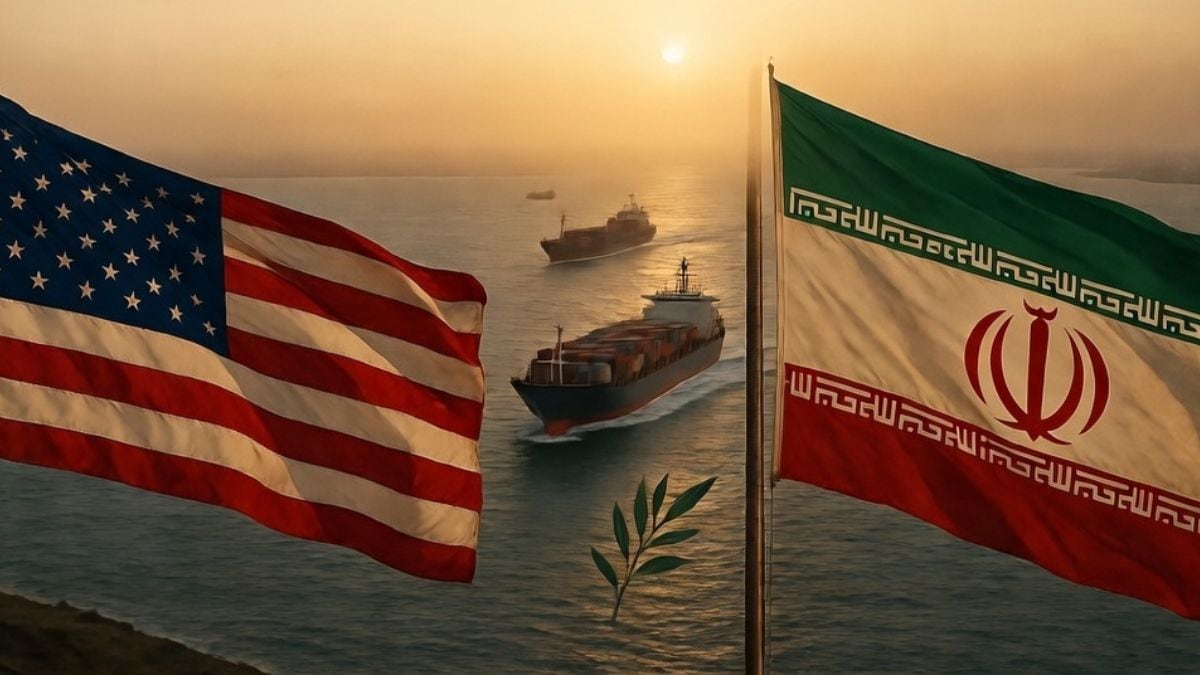
The United States and Iran formally signed a landmark 14-point peace Memorandum of Understanding on Friday, June 19, 2026, ending one of the most disruptive geopolitical conflicts of the decade. The agreement, mediated by Pakistan and signed digitally by President Donald Trump and Iranian President Masoud Pezeshkian, immediately reopened the Strait of Hormuz — the world's most critical oil chokepoint — and sent global oil prices tumbling below $80 per barrel.
What the Peace Deal Actually Says
The 14-point Islamabad Memorandum of Understanding includes several key provisions. The United States has agreed to lift its naval blockade of Iranian ports, while Iran has committed to not pursuing nuclear weapons development. The Strait of Hormuz, which was effectively closed from April 2026 during the height of the conflict, will be cleared of mines and reopened for commercial shipping. A 60-day negotiation window follows for addressing Iran's nuclear programme in more detail.
Iran's Supreme Leader Ayatollah Mojtaba Khamenei confirmed on Thursday that he had approved the deal despite having a "different view," without elaborating. Meanwhile, Iran's parliament speaker warned that Tehran "will not tolerate US breaches of the deal."
| Provision | Details |
|---|---|
| Naval blockade | US lifts blockade of Iranian ports immediately |
| Strait of Hormuz | Reopened for commercial shipping, mine clearance underway |
| Nuclear programme | 60-day negotiation window for detailed framework |
| Oil exports | Iranian crude exports to resume under monitoring |
| Reconstruction | $300 billion fund proposed for regional rebuilding |
| Verification | Joint commission with international observers |
Oil Markets React: Brent Crude Below $80
The immediate market response was a sharp sell-off in crude futures. ICE Brent front-month crude fell to $78.29 per barrel, a 1.6 per cent decline from the prior session, while NYMEX WTI dropped to $75.41 per barrel, down 1.8 per cent. US Vice President JD Vance said more than 12 million barrels of oil passed through the Strait of Hormuz on the first night after the signing ceremony.
Goldman Sachs had earlier trimmed its Q2 2026 Brent crude forecast to $90 per barrel from $99, citing reduced geopolitical risk. The bank now warns that sustained reopening could push prices below $75.
What This Means for India
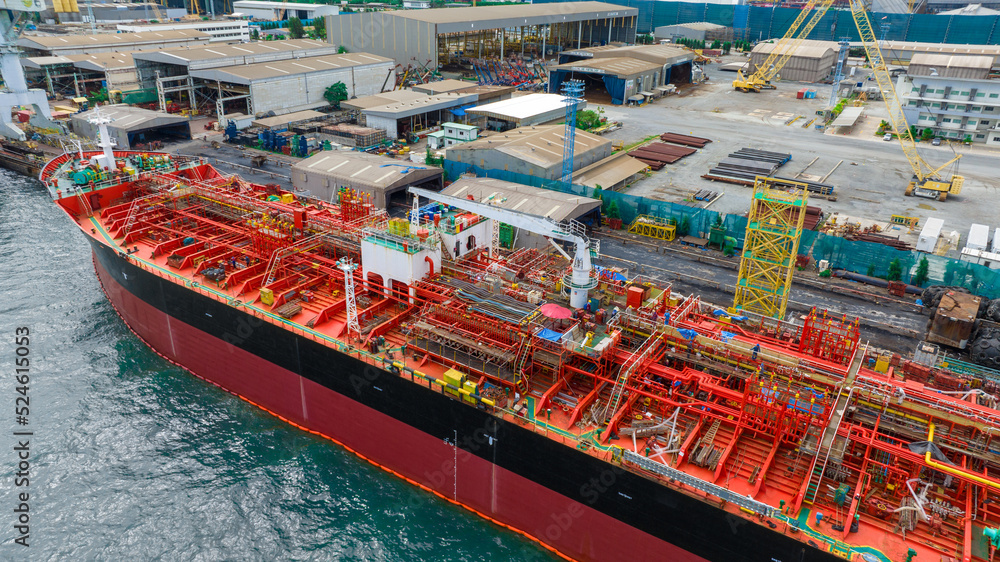
India, which imports over 85 per cent of its crude oil requirements, stands to benefit significantly from the reopening of the Strait of Hormuz. Nearly 60 per cent of India's crude imports pass through the strait. The government had already hiked diesel and ATF export levies from June 16, anticipating lower global prices.
The Sensex, which had rallied over 1,700 points in the days following the initial ceasefire announcement, is expected to see further gains as fuel costs ease. Lower crude prices directly benefit Indian consumers through reduced petrol and diesel prices, lower inflation, and a narrower trade deficit.
Indian exporters in the Gulf region, particularly in the UAE and Saudi Arabia, will also benefit from the restoration of normal shipping routes and reduced insurance premiums on cargo vessels transiting the region.
Geopolitical Implications
The deal marks a significant foreign policy achievement for the Trump administration, coming after months of military escalation that saw the US Navy engaged in direct confrontation with Iranian forces. Trump celebrated on Truth Social: "This Great Deal will bring Peace and Security to the whole Region."
International reaction has been largely positive, with the European Union, China, and Russia all welcoming the development. However, Israel has expressed reservations, with officials privately warning that the deal does not address Iran's ballistic missile programme or its support for proxy militias across the Middle East.
What Happens Next
The 60-day negotiation window will be critical. During this period, US and Iranian negotiators will attempt to reach a more comprehensive agreement covering Iran's nuclear enrichment capabilities, ballistic missile programme, and regional influence. Pakistan has offered to host the next round of negotiations in Islamabad, while Switzerland continues to provide mediation support.
For related Voxlogue context, read US and Iran Sign 14-Point Peace Deal: Strait of Hormuz to Reopen, $300 Billion Reconstruction Plan, and Trump Says Iran Peace Deal Signed Today — Strait of Hormuz to Reopen, Oil Below $90.