In a breakthrough that could transform the fight against environmental pollution, researchers have discovered that hydrogen radicals generated by intense ultraviolet light can break down stubborn PFAS "forever chemicals" without the need for additional chemicals. The finding, published in a leading scientific journal, reveals a key mechanism that could lead to greener, more effective methods for eliminating these pervasive pollutants from water and soil.
The Forever Chemical Problem
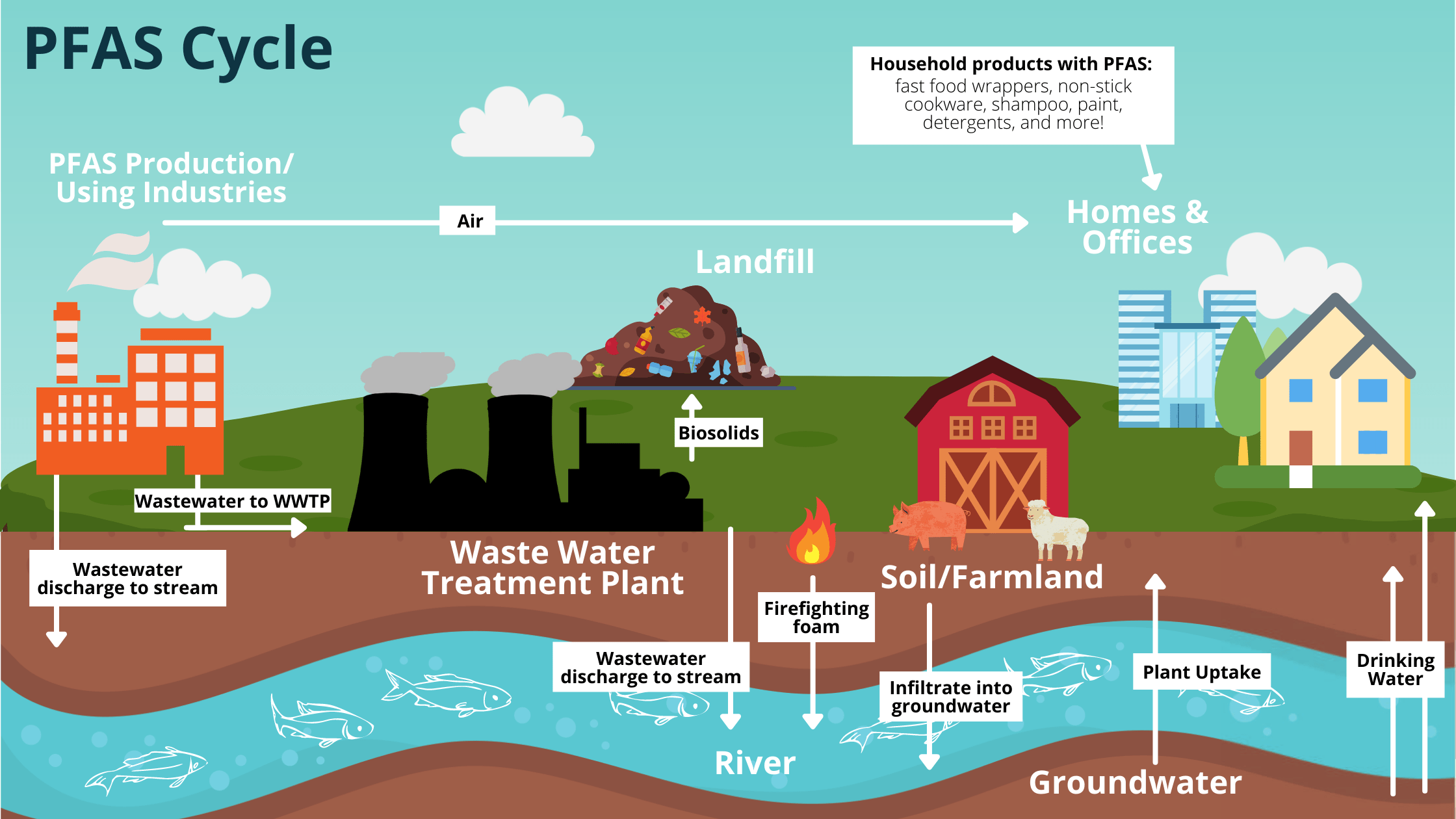
PFAS (per- and polyfluoroalkyl substances) are a class of thousands of synthetic chemicals used in everything from non-stick cookware and water-repellent clothing to firefighting foam and food packaging. Their extraordinary stability — the very property that makes them useful in industrial applications — also makes them nearly indestructible in the environment. PFAS have been detected in the blood of 97 per cent of Americans and are linked to cancer, liver damage, thyroid disease, and developmental problems.
Traditional methods for destroying PFAS require high temperatures (above 1,000°C), harsh chemical oxidants, or expensive catalytic processes. The new UV-based approach offers a potentially cheaper and more environmentally friendly alternative.
How the Breakthrough Works
The research team discovered that exposing PFAS-contaminated water to intense UV light generates hydrogen radicals — highly reactive hydrogen atoms — that can break the carbon-fluorine bonds that make PFAS so persistent. Unlike previous UV-based approaches, this method does not require adding chemical catalysts or oxidants, making it a "green" solution.
| Method | Temperature | Chemicals Needed | Cost | Scalability |
|---|---|---|---|---|
| Incineration | >1,000°C | None | High | Limited |
| Chemical oxidation | Ambient | Strong oxidants | Medium | Moderate |
| UV + catalyst | Ambient | Catalyst required | Medium | Good |
| UV-only (new) | Ambient | None | Low | Excellent |
Why This Matters for India
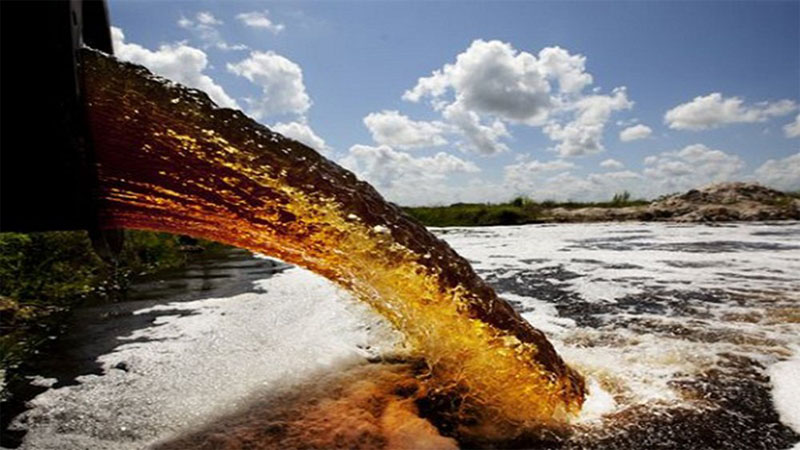
India faces significant PFAS contamination challenges, particularly in industrial belts like Gujarat, Maharashtra, and Tamil Nadu where chemical manufacturing, textiles, and electronics production are concentrated. Studies have found PFAS in groundwater near industrial clusters and in municipal water supplies in several major cities.
The new UV-based method could be particularly suitable for India because it does not require expensive imported chemicals or catalysts. Solar-powered UV systems could potentially be deployed in rural areas with limited infrastructure, offering a low-cost solution for community water treatment.
India's ongoing river cleanup projects — including the Namami Gange programme — could benefit from this technology as a scalable and affordable approach to tackling industrial chemical pollution.
Limitations and Next Steps
The research is still at the laboratory scale. Key challenges before commercial deployment include scaling up UV reactor designs, optimising energy efficiency, and validating the method against the full range of PFAS compounds (over 12,000 exist). The researchers noted that longer-chain PFAS break down faster than shorter-chain variants, which may require sequential treatment.
Field trials are expected to begin within the next 12-18 months, with initial applications likely in industrial wastewater treatment rather than municipal drinking water.
For related Voxlogue context, read Stanford Scientists Discover Breakthrough Cartilage Regrowth Treatment That Could Replace Knee Surgery With Single Injection, and Scientists Discover Neurons Must Break Their Own DNA to Build the Developing Brain in Surprising New Finding.